
 Save
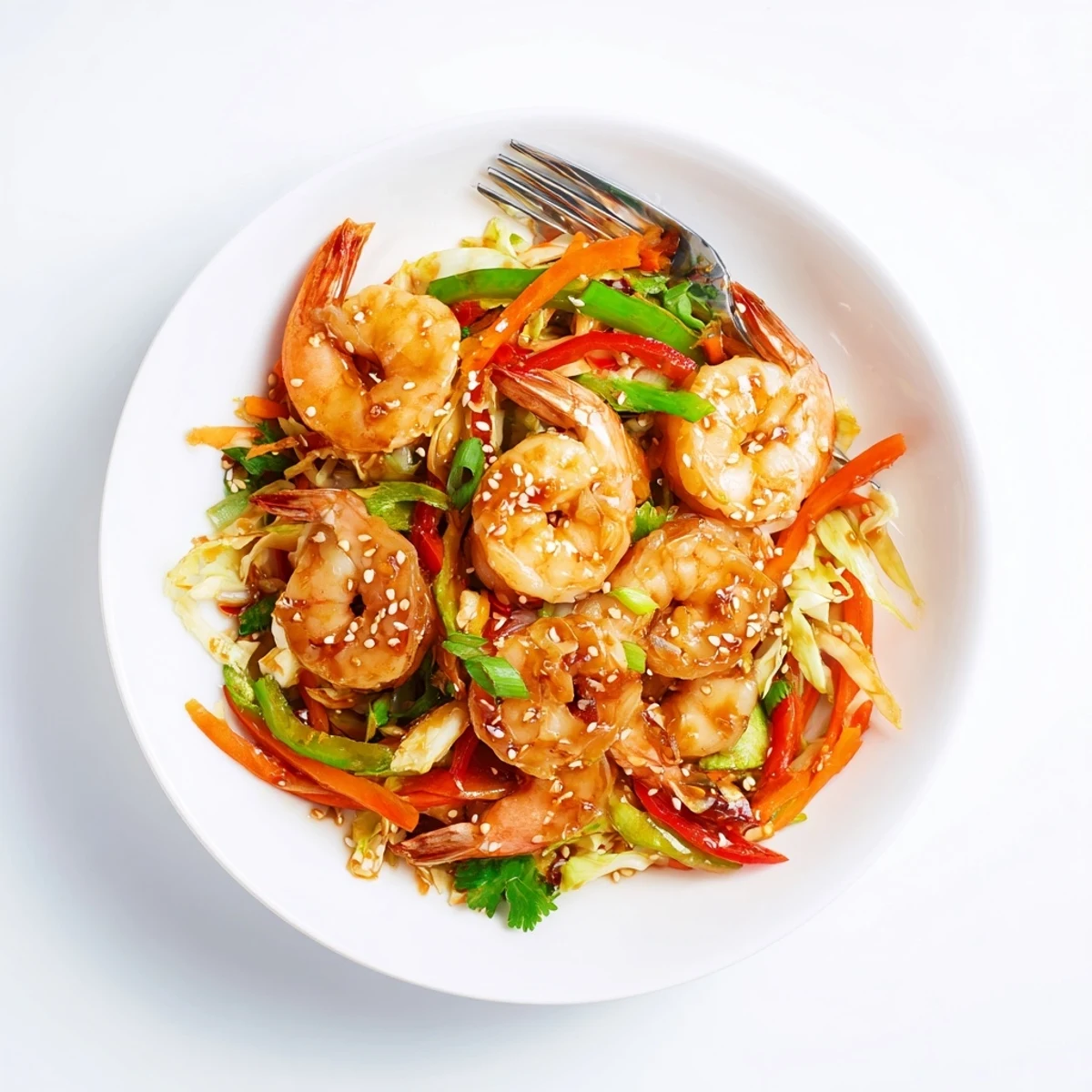
Save This vibrant Asian shrimp and cabbage stir fry takes about 25 minutes from start to finish and serves 4. Whisk a simple soy–oyster–rice vinegar sauce, sear shrimp until just pink, then stir fry garlic, ginger, cabbage, carrot and bell pepper until crisp-tender. Return the shrimp, toss with the sauce, and finish with green onions and toasted sesame. Swap in tofu or chicken, add snap peas or broccoli, and serve over rice or cauliflower rice.
The sizzle of shrimp hitting a smoking wok on a Tuesday evening is one of those sounds that instantly makes a kitchen feel alive. My neighbor Linda once knocked on my door holding a massive head of cabbage from her garden, and this stir fry was born from that unexpected gift. It has since become my go-to when the fridge looks bare but dinner still needs to happen fast.
I once made this for a friend who claimed she hated cabbage, and she went back for thirds without saying a word. That quiet moment of someone discovering a vegetable in a new way is why I keep cooking.
Ingredients
- Large shrimp (1 lb, peeled and deveined): Fresh or frozen both work beautifully, but pat them completely dry so they sear instead of steam.
- Green cabbage (4 cups, thinly sliced): Slice it thin and uniform so every piece cooks evenly and absorbs the sauce.
- Carrot (1 medium, julienned): Adds a subtle sweetness and a pop of orange that makes the dish look as good as it tastes.
- Red bell pepper (1, thinly sliced): Its natural sweetness balances the salty depth of the soy sauce.
- Green onions (3, sliced): Save these for the end so they stay bright and fresh.
- Garlic (2 cloves, minced): Fresh garlic makes a noticeable difference here, so skip the jarred version if you can.
- Fresh ginger (1 inch, grated): Grate it finely so it melts into the sauce rather than clumping.
- Soy sauce (3 tbsp): Use tamari if you need gluten-free, and choose a good quality brand for the deepest flavor.
- Oyster sauce (1 tbsp): This is the secret ingredient that gives the sauce its rich, rounded body.
- Rice vinegar (1 tbsp): A small splash of acidity lifts the whole dish and cuts through the richness.
- Sesame oil (2 tsp): Toasted sesame oil finishes the sauce with a warm, nutty aroma that ties everything together.
- Honey or brown sugar (1 tsp): Just enough sweetness to round off the sharp edges of the soy and vinegar.
- Crushed red pepper flakes (optional): A pinch adds gentle heat without overwhelming the delicate shrimp.
- Vegetable oil (2 tbsp): A neutral oil with a high smoke point keeps things moving in the wok.
- Toasted sesame seeds and fresh cilantro (for garnish): These finishing touches make it feel like a meal from your favorite restaurant.
Instructions
- Whisk the sauce together:
- In a small bowl, combine the soy sauce, oyster sauce, rice vinegar, sesame oil, honey, and red pepper flakes until smooth. Let it sit while you cook so the flavors mingle.
- Sear the shrimp:
- Heat one tablespoon of oil in your wok over medium-high heat until it shimmers, then toss in the shrimp and stir fry for two to three minutes until they turn pink and curl. Pull them out quickly so they do not overcook.
- Wake up the aromatics:
- Add the remaining oil, then throw in the garlic and ginger, stirring fiercely for about thirty seconds until your kitchen smells incredible.
- Stir fry the vegetables:
- Add the cabbage, carrot, and bell pepper all at once and keep everything moving for three to four minutes. You want the vegetables tender but still snapping with crunch.
- Bring it all together:
- Slide the shrimp back into the wok, pour the sauce over everything, and toss vigorously for one to two minutes until every strand of cabbage glistens.
- Finish and serve:
- Kill the heat and scatter the green onions, sesame seeds, and cilantro over the top. Serve it straight from the wok while the steam is still rising.
 Save
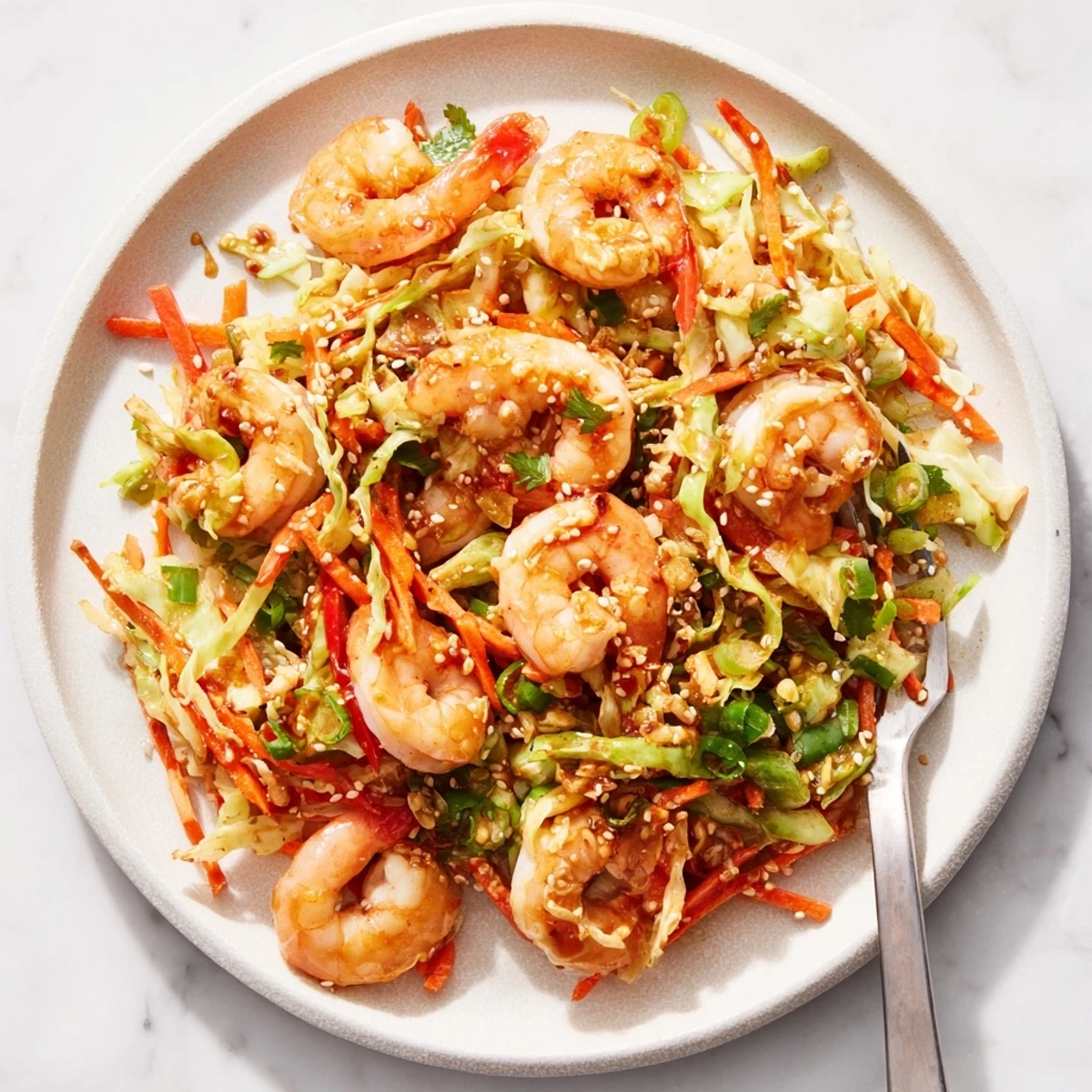
Save One cold January evening I plated this dish in mismatched bowls for my family, and my teenager looked up from her phone long enough to say it was better than any restaurant. That small sentence stayed with me longer than any culinary compliment I have ever received.
Smart Swaps and Additions
Snap peas, mushrooms, or broccoli florets slide right into this stir fry without changing the cooking time. You can also swap the shrimp for thinly sliced chicken breast or firm tofu if shellfish is off the table.
Serving Suggestions
This stir fry is substantial on its own, but a bowl of steamed jasmine rice on the side makes it feel like a proper feast. For a lower carb night, cauliflower rice soaks up the sauce just as willingly.
Getting the Wok Technique Right
The biggest mistake home cooks make with stir frying is crowding the pan and lowering the heat. Keep the flame high, move fast, and trust the process.
- Let the wok smoke slightly before adding oil for the best sear.
- Have every ingredient prepped and within arm reach before you turn on the stove.
- Taste the sauce before adding it and adjust the sweetness or saltiness to your liking.
 Save
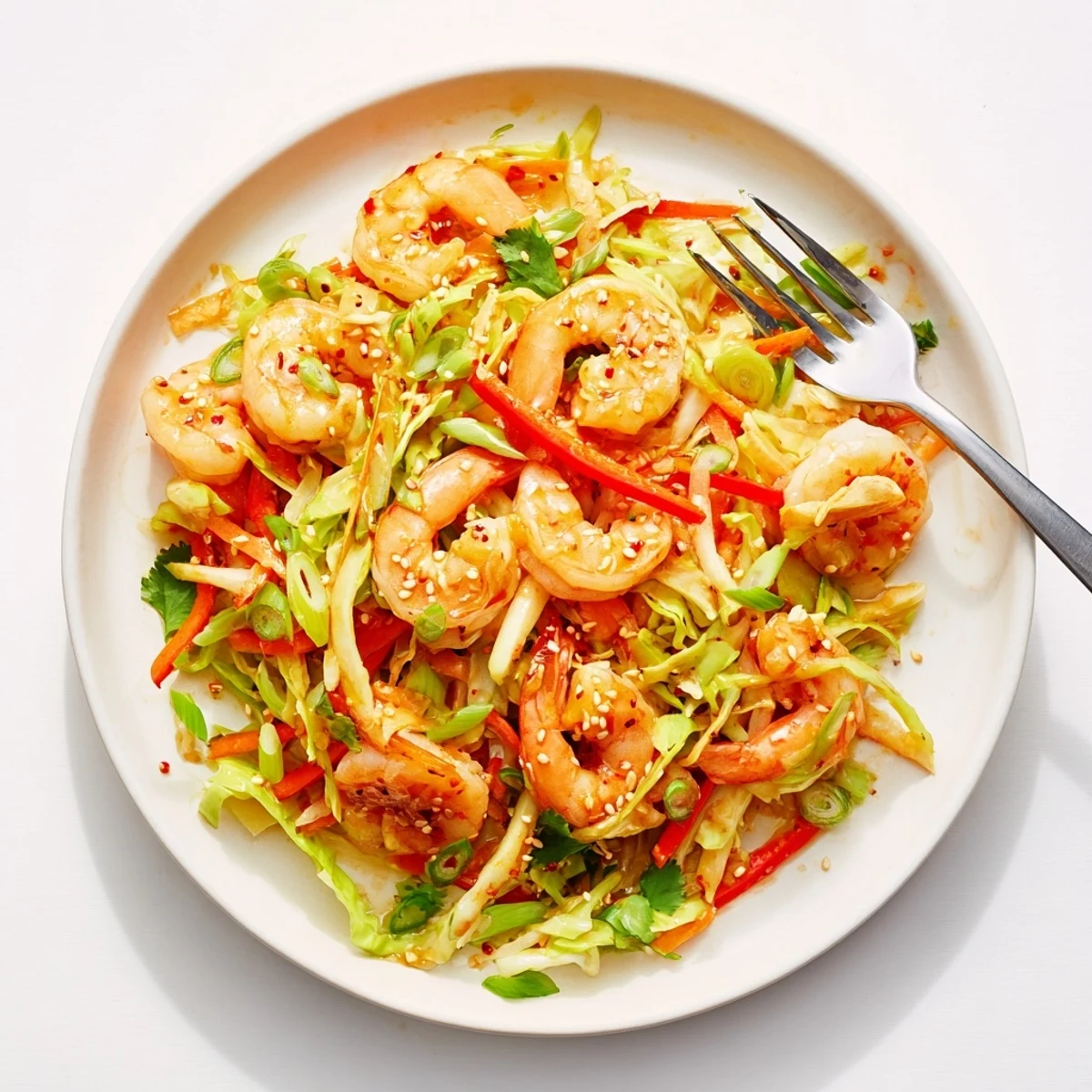
Save Keep this recipe in your back pocket for the nights when cooking feels like a chore, and let the sizzle and aroma remind you that good food does not have to be complicated.
Recipe FAQs
- → How long should shrimp cook?
-
Shrimp cook very quickly—usually 2–3 minutes over medium-high heat until pink and opaque. Remove them from the pan once just done to avoid overcooking while you finish the vegetables.
- → How do I keep cabbage crisp instead of soggy?
-
High heat and short cooking time are key. Stir fry cabbage in a hot wok or skillet for just 3–4 minutes so it becomes tender-crisp. Avoid adding too much liquid early on and cook in batches if the pan is crowded.
- → Can I make the sauce ahead of time?
-
Yes. Combine soy, oyster sauce, rice vinegar, sesame oil and a sweetener in advance and refrigerate in a sealed container for up to 3 days. Give it a quick stir before using.
- → What are good substitutions for shrimp?
-
Firm tofu, thinly sliced chicken breast, or thin beef strips work well. Adjust cooking times: tofu can be browned slightly longer, chicken and beef need to reach safe internal temperatures.
- → How can I increase heat or depth of flavor?
-
Add crushed red pepper flakes, sliced chili, or a drizzle of sriracha for heat. For more umami, a splash of fish sauce or a teaspoon of miso blended into the sauce deepens the flavor.
- → What is the best way to reheat leftovers?
-
Reheat gently in a hot skillet with a splash of oil or water, tossing until warmed through to preserve texture. Microwaving works but may soften the vegetables more.