
 Save
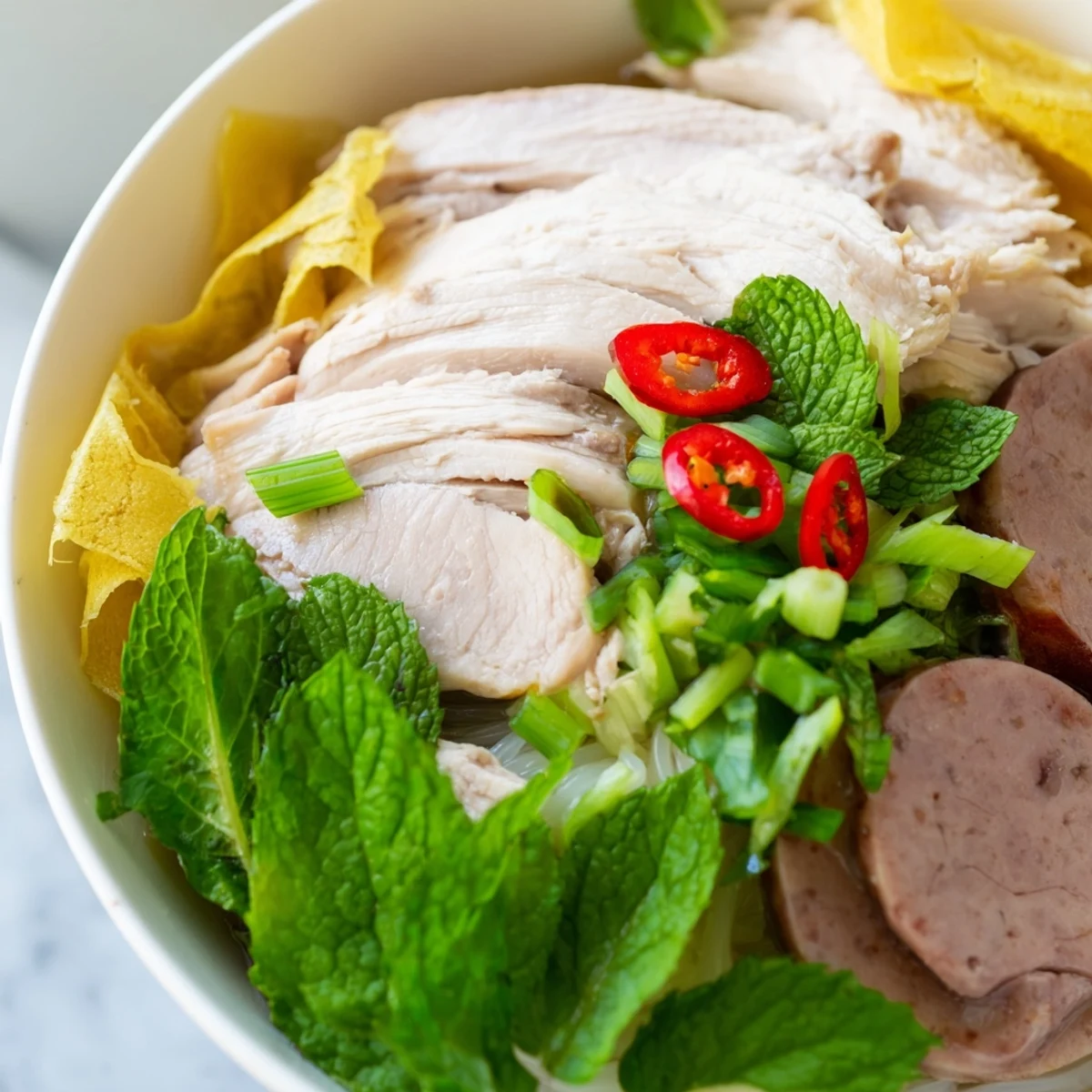
Save Bun Thang represents the pinnacle of Hanoi's refined culinary tradition, transforming humble ingredients into an elegant layered bowl. This signature dish features a crystal-clear broth simmered with chicken, aromatic ginger, and onion, achieving a delicate balance that's both light and deeply flavorful. The artistry lies in the preparation: shredded chicken breast, Vietnamese pork sausage (gio lua) sliced into thin ribbons, and silky egg crepes cut into fine strips create a beautiful mosaic of textures and tastes. Fresh herbs including Vietnamese coriander, mint, and cilantro add brightness, while optional shrimp paste provides authentic depth. The assembly requires attention to detail—each component is arranged carefully before hot broth is ladled over, creating a comforting yet sophisticated meal perfect for any time of day.
The steam from my first bowl of Bun Thang in Hanoi's Old District fogged up my glasses completely. I remember the elderly vendor watching me struggle to see, chuckling as she slid a extra lime wedge across the metal table. That afternoon taught me that this soup isn't just food—it's patience translated into broth, about seven different textures waiting to be discovered in each spoonful.
Last winter I made this for my cousin who was recovering from surgery. She could barely keep anything down, but something about the clear, fragrant broth and the silk ribbons of egg crepe made her sit up and ask for seconds. We spent the whole meal picking out which texture we loved best—her vote went to the Vietnamese pork sausage strips, paper thin and impossibly bouncy.
Ingredients
- Whole chicken: The foundation of your broth—use a good quality bird because every bit of flavor counts here
- Yellow onion and ginger: Leave the onion skin on for deeper color and char the ginger slightly in a dry pan first
- Fish sauce: This is your salt and depth—invest in the good stuff from the glass bottle
- Rock sugar: Dissolves more slowly than regular sugar giving a rounded sweetness that balances the fish sauce
- Eggs: Room temperature eggs make thinner, more cooperative crepes
- Rice vermicelli: Soak them in cold water not hot—hot water makes them gummy and prone to breaking
- Vietnamese pork sausage: If you cant find it, thin slices of good ham work in a pinch
- Fresh herbs: Dont be shy here—the herbs arent garnish, theyre half the flavor
Instructions
- Build your broth foundation:
- Drop the whole chicken into a large pot with the peeled onion, smashed ginger, and water. Bring it to a rolling boil then immediately drop to a gentle simmer. Skim off the gray foam that rises to the top—this clarity matters. After 30 minutes, pull out the chicken and set it aside to cool.
- Deepen the broth:
- Let the onion and ginger continue their work for another 45 minutes. Add the salt, fish sauce, and rock sugar. Strain everything through a fine mesh sieve—the broth should be clear enough to see the bottom of the pot. Return it to the stove and keep it warm.
- Prep the players:
- Shred the cooled chicken breast into thin strips. Whisk the eggs with a pinch of salt and make thin crepes in a nonstick skillet over medium low heat. Roll them up and slice into fine ribbons. Slice the pork sausage into matchsticks.
- Cook the noodles:
- Boil the vermicelli according to the package, then immediately rinse under cold water until theyre cool. Drain them completely—water logged noodles will dilute your precious broth.
- Bring it together:
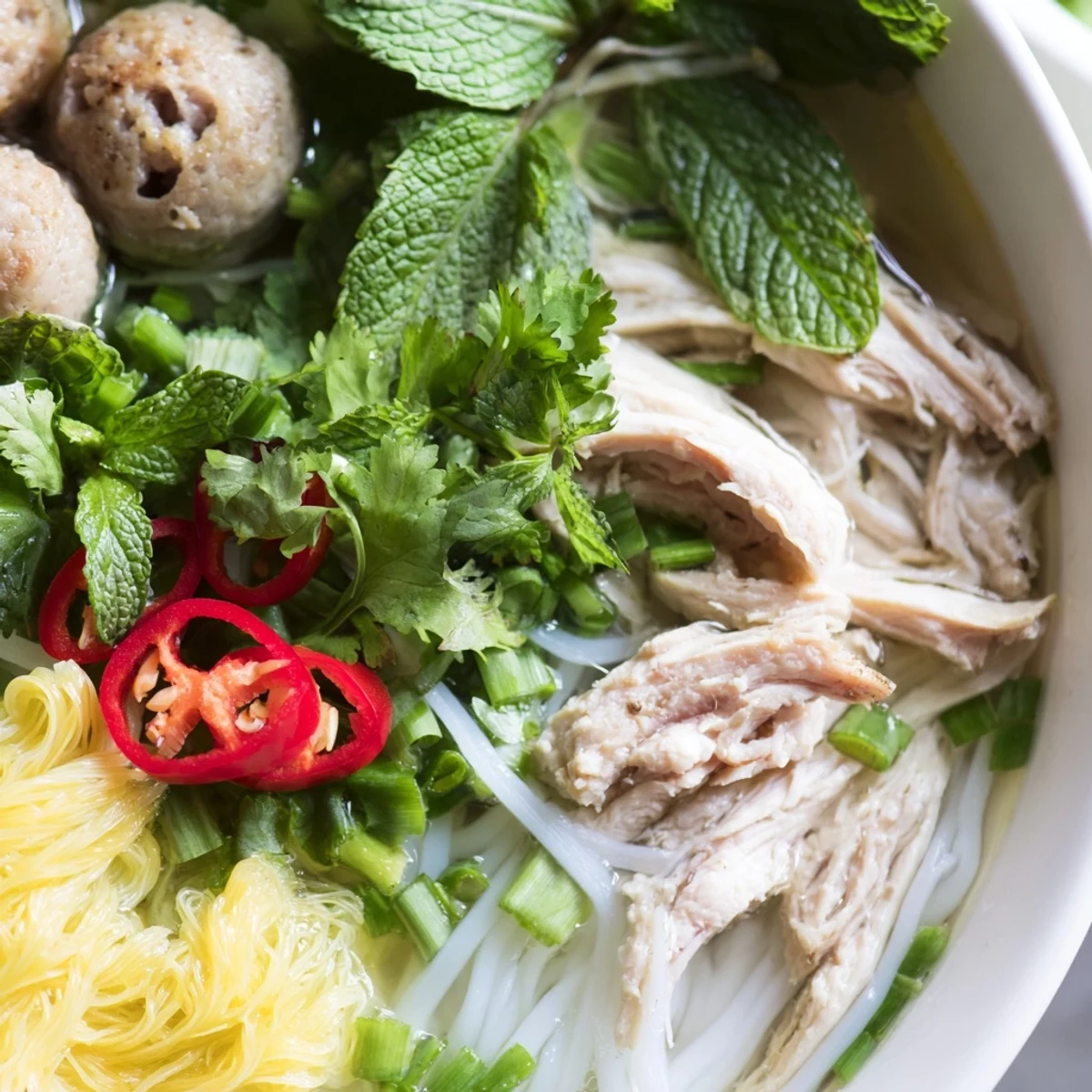
- Divide the noodles among four bowls. Arrange the chicken, egg ribbons, pork sausage, and herbs on top in little sections. Ladle the hot broth over everything and add a squeeze of lime. Serve immediately.
 Save
Save This soup became my go-to for rainy Sundays when cooking feels like therapy. Theres something deeply satisfying about arranging all those little components in the bowl, each one waiting for the broth to bring them together.
Making It Ahead
Bun Thang might seem fussy but its actually the ultimate meal prep soup. The broth keeps for five days in the fridge and freezes beautifully for up to a month. The egg crepes and pork sausage can be sliced and stored in separate containers, ready to assemble on busy weeknights.
Getting The Texture Right
The magic of this dish is in the contrast—silky egg strands, bouncy pork sausage, tender chicken, and springy noodles all in one spoonful. Cut everything into uniform thin strips so you get all textures in every bite. The broth should be clear enough to see through, not cloudy like pho.
Perfecting Your Bowl
Protein ratios matter—aim for equal parts chicken, egg, and pork sausage so no single flavor dominates. The herbs should be fresh, not wilted, and added right before serving so they stay vibrant. A good squeeze of lime right before eating brightens everything.
- Serve the broth extra hot—it cools quickly once it hits the room temperature toppings
- Let people add their own shrimp paste—its polarizing and intense
- Have extra lime wedges on hand—this soup loves acid
 Save
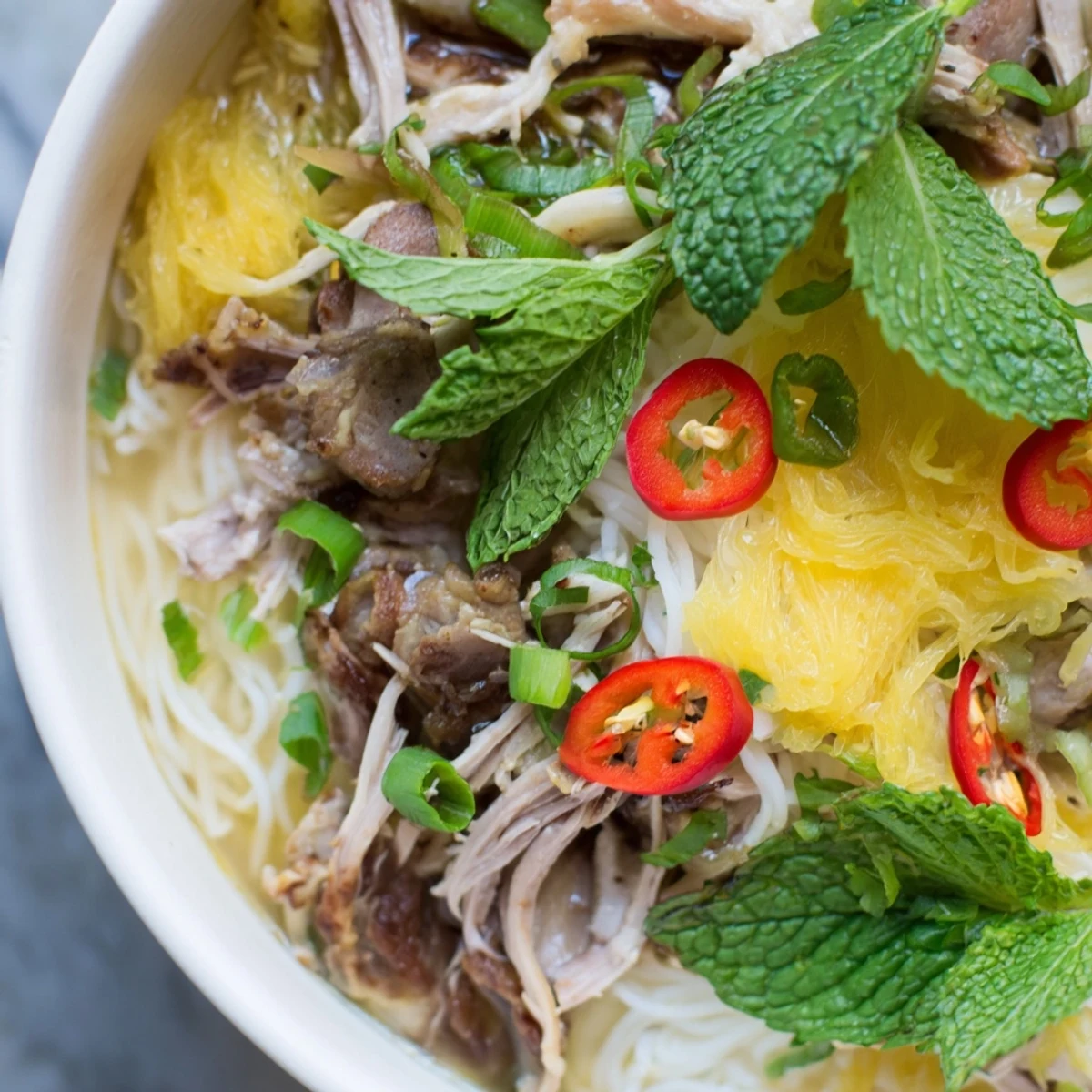
Save Bun Thang rewards the thoughtful cook. Take your time, cut carefully, and let the broth teach you something about patience.
Recipe FAQs
- → What makes Bun Thang different from other Vietnamese noodle soups?
-
Bun Thang is distinguished by its delicate, clear broth and meticulous presentation. Unlike the richer Pho or spicy Bun Bo Hue, Bun Thang features a lighter broth and multiple toppings cut into uniform thin strips, creating an elegant mosaic pattern. The dish represents Hanoi's refined cooking style where visual appeal and subtle flavors take precedence over bold, heavy seasonings.
- → Can I substitute the Vietnamese pork sausage (gio lua)?
-
Yes, you can substitute gio lua with thinly sliced lean ham, roasted pork loin, or even baked chicken breast. While traditional gio lua has a unique smooth texture and mild flavor that complements the dish, these alternatives work well in a pinch. Slice whatever substitute you choose into thin julienne strips to maintain the traditional presentation.
- → How do I achieve the clear broth?
-
The key to clear broth is gentle simmering and proper skimming. Bring the pot to a boil initially, then immediately reduce to a gentle simmer. Skim off any foam or impurities that rise to the surface frequently during the first 30 minutes. Avoid boiling vigorously, which clouds the broth. Straining the finished broth through a fine mesh strainer or cheesecloth removes any remaining particles for crystal clarity.
- → What's the purpose of the egg crepe in Bun Thang?
-
The egg crepe adds both visual appeal and a delicate texture contrast to the bowl. When cooked thin and sliced into fine strips, the egg provides silky ribbons that float beautifully in the clear broth. It's a signature component that showcases the dish's emphasis on varied textures and careful presentation, setting Bun Thang apart from simpler noodle preparations.
- → Is Bun Thang suitable for meal prep?
-
Bun Thang components can be prepared ahead, but assembly is best done fresh. The broth actually improves after a day in the refrigerator, developing deeper flavors. Prepare and shred the chicken, make the egg crepes, slice the sausage, and wash herbs in advance. Store components separately. When ready to serve, simply reheat the broth, cook the noodles fresh, and assemble bowls for optimal texture and presentation.
- → What herbs are essential for authentic Bun Thang?
-
Traditional Bun Thang features Vietnamese coriander (rau ram), which has a unique peppery-citrus flavor, along with cilantro and fresh mint. Scallions add mild onion notes. While rau ram can be challenging to find outside Asian markets, a combination of cilantro, mint, and Thai basil creates a respectable substitute. The fresh herbs are crucial for balancing the rich broth and adding aromatic brightness.