
 Save
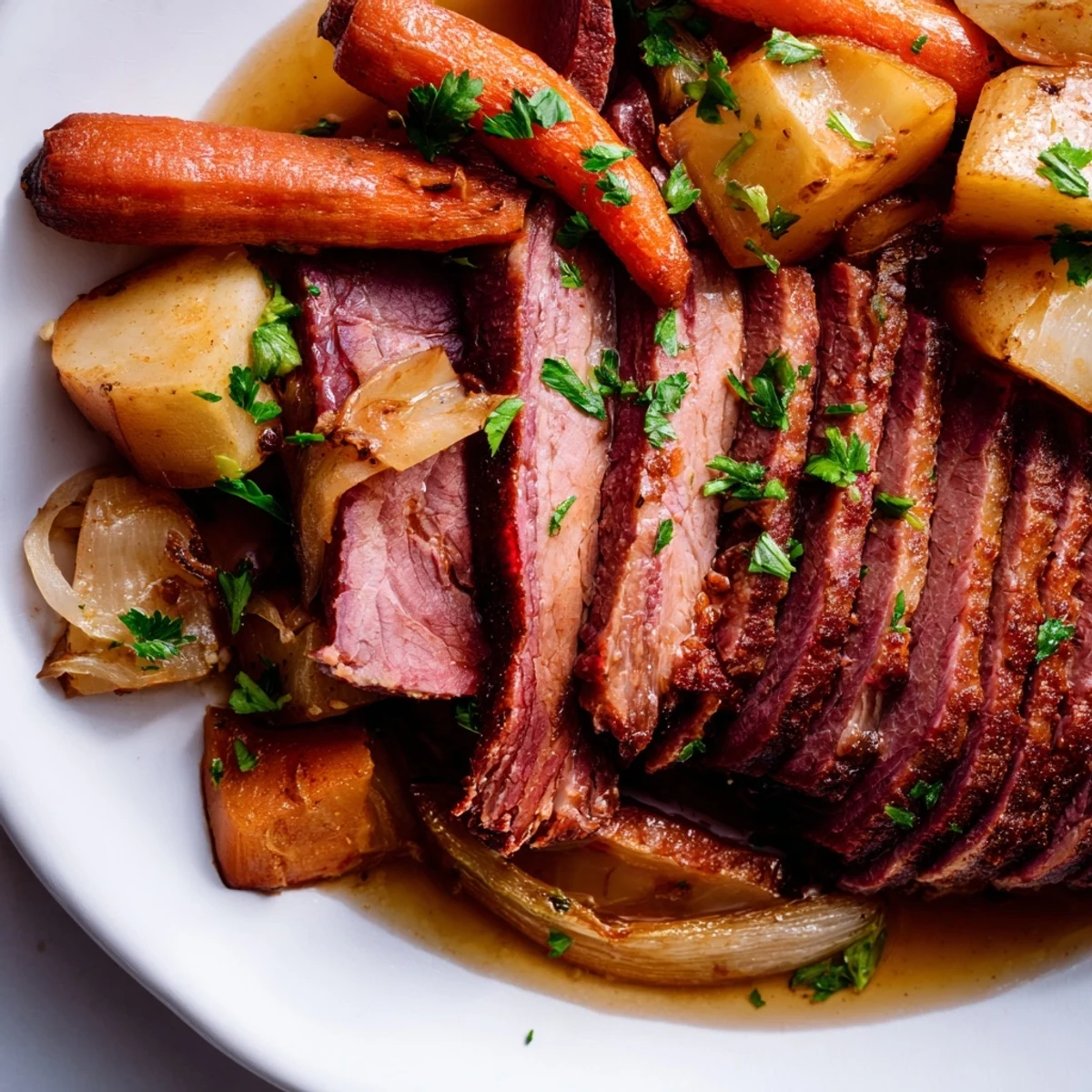
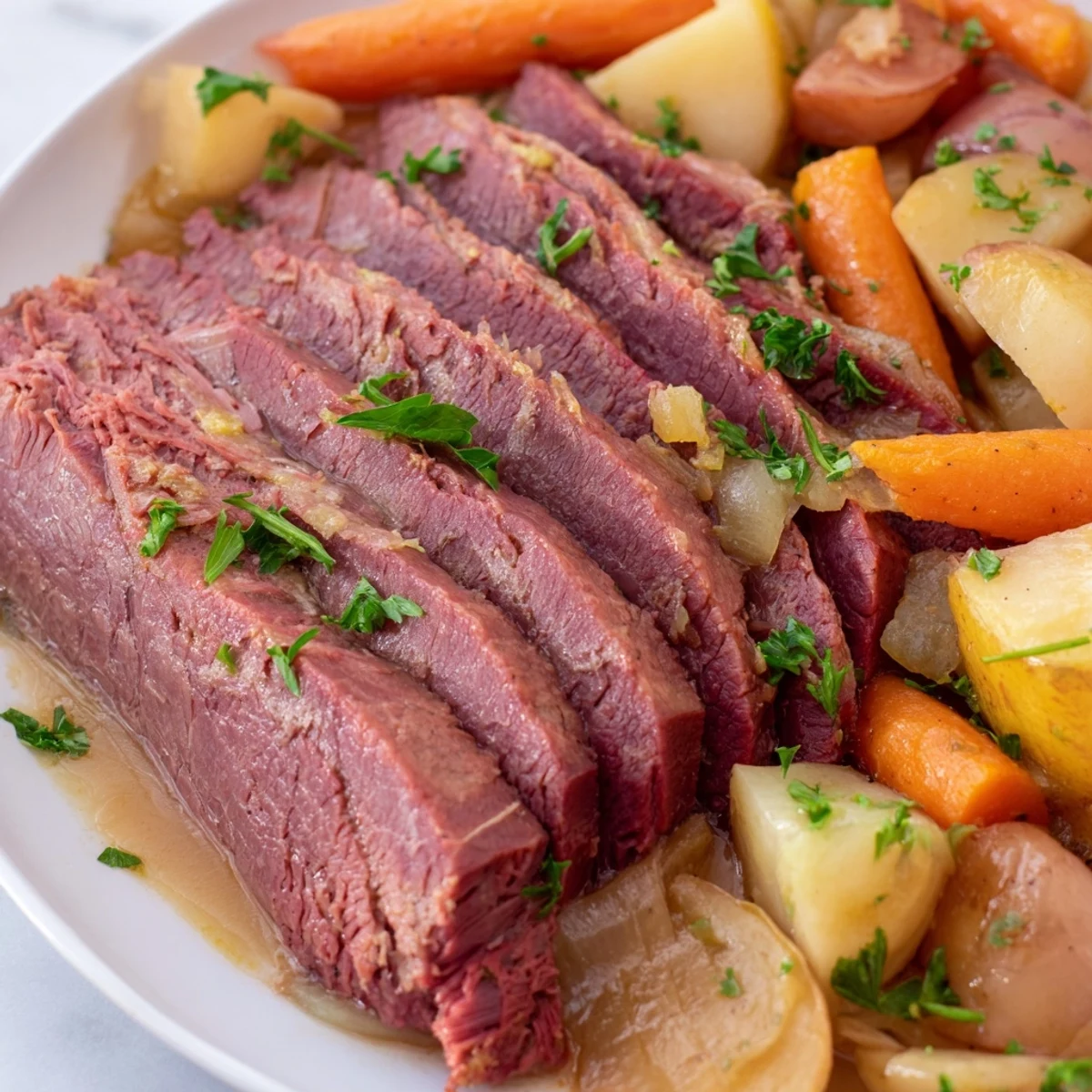
Save This halal corned beef brisket is gently simmered for 2 hours with warming spices like cloves, mustard seeds, and bay leaf. Root vegetables—carrots, parsnips, potatoes, rutabaga, and cabbage—are added during the final hour to absorb the savory broth.
The result is a one-pot comfort dish with tender meat and vegetables in aromatic broth. Serve hot with mustard or horseradish.
My mother-in-law introduced me to corned beef when I married into my husband's family, but finding a halal version seemed impossible until I discovered a specialty butcher who made halal-compliant cured brisket. The rich aroma filling our home as it slowly simmered reminded me of the comfort foods from both our traditions merging together. That first bite—tender, savory with warming spices—convinced me some recipes truly transcend cultural boundaries.
Last winter, my sister and her family visited during a snowstorm, and I served this corned beef with root vegetables as we all huddled around the dining table. The steam rising from the serving platter fogged up my glasses as I brought it to the table, making everyone laugh. My nephew, typically skeptical of new foods, asked for seconds and then thirds, which my sister declared a miracle in itself.
Ingredients
- Halal Corned Beef Brisket: Finding halal-certified corned beef changed everything—look for one that's been cured with natural spices rather than nitrates for the best flavor.
- Root Vegetables: The mix of carrots, parsnips, potatoes and rutabaga creates a perfect balance of earthy sweetness that complements the savory meat.
- Mustard Seeds: These tiny seeds release a warm, slightly pungent flavor during cooking that cuts through the richness of the beef.
- Cabbage: Added toward the end to maintain some texture, the cabbage wedges absorb the flavorful broth and become silky without turning to mush.
Instructions
- Prepare the brisket:
- Rinse the corned beef thoroughly under cold running water, watching the water run from cloudy to clear as you remove the excess brine. This step prevents the final dish from being too salty.
- Start the simmer:
- As you add the water and spices to the pot with your brisket, take a moment to crush the peppercorns slightly with the back of a spoon to help release their aromatic oils. The gentle bubbling should sound like a quiet conversation—never a rolling boil.
- Add the hardy vegetables:
- After two hours, your kitchen will be filled with a warm, spiced aroma that signals it's time for the vegetables. Cut them into chunks that are roughly the same size so they cook evenly.
- Finish with cabbage:
- The cabbage goes in last because it cooks much faster than root vegetables. You'll know it's done when the leaves turn from bright to a softer, more translucent green.
- Rest before slicing:
- The patient cook is rewarded here—letting the meat rest before slicing keeps the juices from running out onto your cutting board. Cut against the grain in thin slices to maximize tenderness.
- Serve family-style:
- Arrange everything on your largest platter, creating a colorful mountain of food with the meat slices fanned out and the vegetables artfully scattered. A light ladle of broth keeps everything moist and flavorful.
 Save
Save During Ramadan two years ago, I prepared this dish for iftar, and my father-in-law—a man of few words—quietly took my hand after the meal and said it reminded him of his childhood in Chicago, though with flavors from our shared heritage. His eyes glistened slightly as he told me stories of his grandmother's kitchen that I'd never heard before, all because this simple, halal-adapted dish had opened a door to memories he'd kept tucked away.
Choosing the Right Cut
When seeking halal corned beef, look for flat cut brisket rather than point cut if you have the option. The flat cut has more consistent thickness and cooks more evenly, though it has slightly less marbling. I learned this distinction after my first attempt came out with some parts perfectly tender and others slightly tough, causing me to investigate why with my butcher, who has since become a trusted advisor for all my meat selections.
Making It Ahead
This dish actually improves overnight in the refrigerator, as the flavors have more time to meld and deepen. I accidentally discovered this when dinner guests were delayed by two hours and I had to refrigerate everything, only to find the reheated version was even more delicious. Now I sometimes deliberately make it a day ahead, storing the meat and vegetables separately from the strained broth, then gently reheating together before serving.
Serving Suggestions
The robust flavors of this dish pair beautifully with sharp, tangy condiments that cut through the richness. I keep a small array of mustards on the table—grainy, yellow, and a homemade horseradish sauce that my aunt taught me to make.
- Warm, crusty bread is essential for soaking up the flavorful broth—I prefer a rustic sourdough that has enough structure to hold up to dipping.
- A simple side salad with a vinaigrette dressing provides a fresh counterpoint to the hearty main dish.
- For dessert, consider something light and fruit-based rather than heavy, as the meal itself is quite filling.
 Save
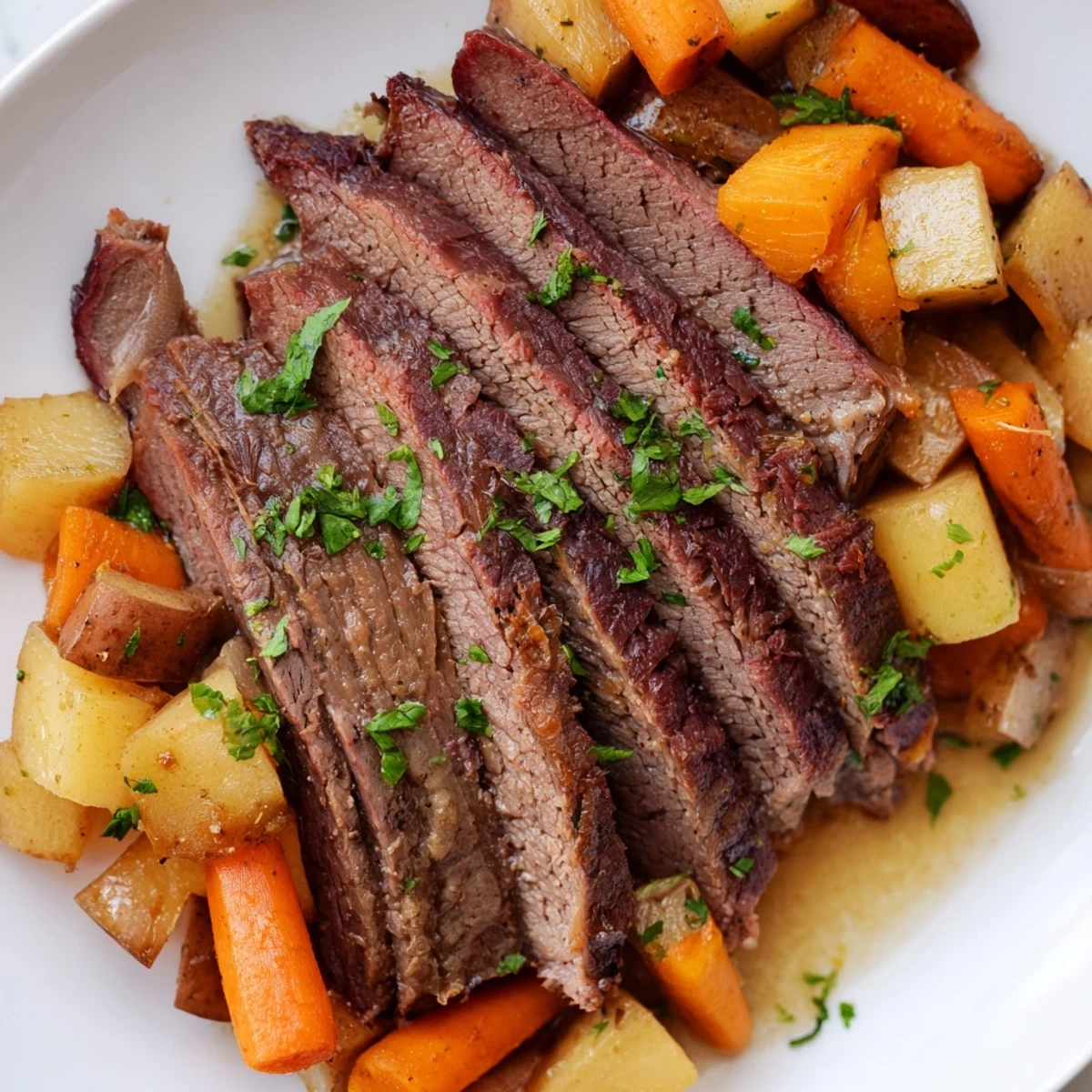
Save This halal corned beef with root vegetables bridges cultures while honoring traditions, bringing people together through the universal language of comfort food. Whether served for a special occasion or a simple family meal, it carries the warmth of shared heritage in every bite.
Recipe FAQs
- → Can I use regular corned beef instead of halal?
-
Yes, regular corned beef brisket works equally well. However, if halal compliance is important, ensure your brisket is certified halal by your local authority.
- → Why rinse the brisket before cooking?
-
Rinsing removes excess surface brine, preventing the dish from becoming overly salty. This step ensures better control over the final seasoning.
- → What if I don't have a Dutch oven?
-
A large stockpot works perfectly. The key is having enough depth to submerge the brisket and vegetables while maintaining a gentle simmer.
- → Can I make this in a slow cooker?
-
Yes. Place the brisket and spices in a slow cooker with water on high for 4-5 hours or low for 8 hours. Add vegetables during the final 1.5 hours on high or 3 hours on low.
- → How should I store leftovers?
-
Cool completely, then refrigerate in an airtight container for up to 4 days. The flavors deepen overnight, making excellent cold sandwiches or reheated meals.
- → What vegetables can I substitute?
-
Turnips, swede, celery root, or sweet potatoes work well. Adjust cooking times based on size—harder vegetables may need longer.