
 Save
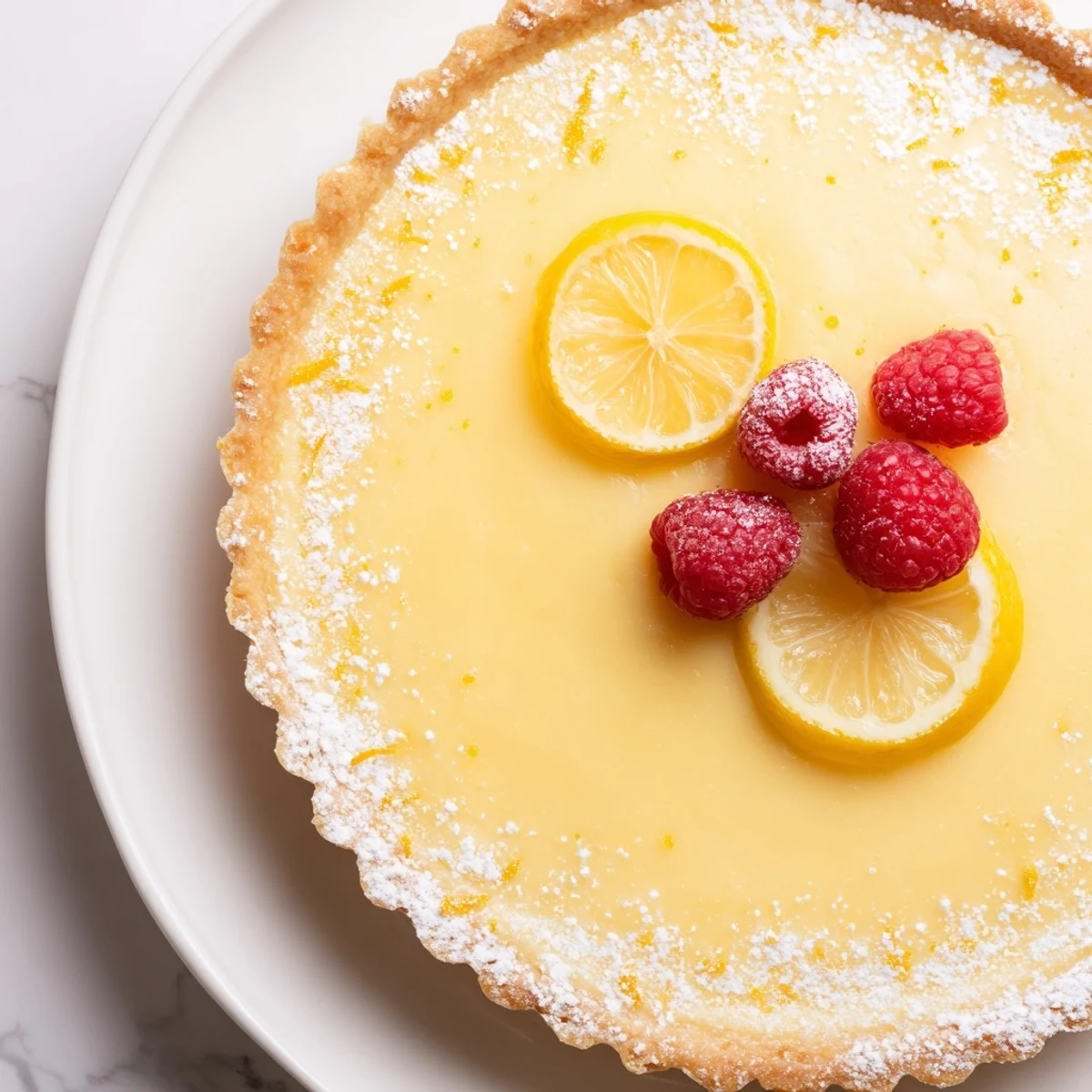
Save This lemon tart combines a crisp, buttery crust with a silky, custard-like lemon filling. Blind-bake the shell until golden, then pour a smooth mixture of cream, eggs, yolks, lemon zest and juice. Bake gently at lower heat until the edges are set and the center still slightly wobbly; cool fully and chill for neat slices. Use cold butter for a flaky crust, grate zest finely for bright aroma, and dust with powdered sugar before serving.
Lemons always remind me of early summer afternoons when sunlight streams through the kitchen, painting everything in golden hues. The idea to make this creamy lemon tart came to me after spotting unusually plump lemons in the market, their fragrance impossible to ignore. When I finally whisked the filling, I was surprised by how the zest seemed to perfume the whole room. That scent—warm, tangy, and hopeful—really sets the mood for the treat to come.
One time, I baked this for a friend’s birthday picnic, and we ended up eating slices directly out of the tart pan, perched on a faded blanket under a tree. Between bursts of laughter and the snap of tart crust, someone declared it the best dessert they'd ever had—and it tasted even better in those unscripted moments.
Ingredients
- All-purpose flour: The backbone of the crust, it gives that essential sturdy-but-tender bite; measure it lightly for fluffier results.
- Powdered sugar: This sneaks in sweetness and a delicate crumb, just don’t pack it into your measuring cup.
- Salt: Even a pinch brings out the lemon’s vibrancy and cuts the sweetness.
- Unsalted butter: Cold and cubed—this is crucial for flakiness I learned to never let it soften too much.
- Egg yolk: Adds rich color and helps bind the dough for a melt-in-the-mouth snap.
- Cold water: Only enough to hold dough together; drizzle in slowly, and stop as soon as it holds.
- Heavy cream: This is responsible for the tart’s irresistible silkiness; the richer the cream, the creamier the filling.
- Granulated sugar: Gives the filling balance—just enough to tame the lemons without overpowering them.
- Eggs and egg yolks: They set the filling like a dreamy custard; use fresh for the best color and texture.
- Lemon zest: Microplaned right over the bowl for maximum citrus oil; don’t skip or you’ll lose the bright punch.
- Fresh lemon juice: Bottled juice is never the same—squeeze lemons just before making the filling for sparkle.
- Pinch of salt: Always rounds off the overall flavor profile.
- Powdered sugar for dusting, berries/candied lemon (optional): These touches dress it up for special occasions or Sunday afternoons alike.
Instructions
- Preheat & Prepare:
- Set your oven to 350°F (175°C) and gather all your tools while the kitchen quietly warms.
- Mix Dry Ingredients:
- In a food processor, pulse flour, powdered sugar, and salt until combined; the whirring always makes me feel like something magical is about to happen.
- Add Butter:
- Scatter in the cold cubed butter, then pulse until the mixture resembles damp sand—resist the urge to overmix or you’ll miss out on the flakiness.
- Bring Dough Together:
- Add the egg yolk and two tablespoons cold water; pulse just until the dough starts to hold together, adding more water only if it looks dry around the edges.
- Chill:
- Turn dough out, pat lightly into a disk, wrap tightly, and let it rest in the fridge for half an hour while you sip something cold.
- Shape & Freeze:
- Roll out the chilled dough to about 1/8-inch thick; gently press into a tart pan, trim, prick with a fork, then pop it in the freezer for a brisk 10-minute chill.
- Blind Bake:
- Line the crust with parchment and cover with pie weights or dried beans; bake 15 minutes, remove weights, then bake again until golden—don’t stray too far, the scent will let you know when it’s nearly ready.
- Mix Filling:
- Whisk heavy cream, sugar, eggs, yolks, lemon zest, lemon juice, and pinch of salt until perfectly smooth; tasting the mixture is optional, but highly recommended for chef’s morale.
- Bake Filling:
- Pour into the warm crust, then reduce the oven to 300°F (150°C); bake until just set with a slight jiggle in the center, about 20–25 minutes.
- Chill:
- Let tart cool completely, then refrigerate for at least an hour—patience is the hardest part but pays off immensely.
- Garnish & Serve:
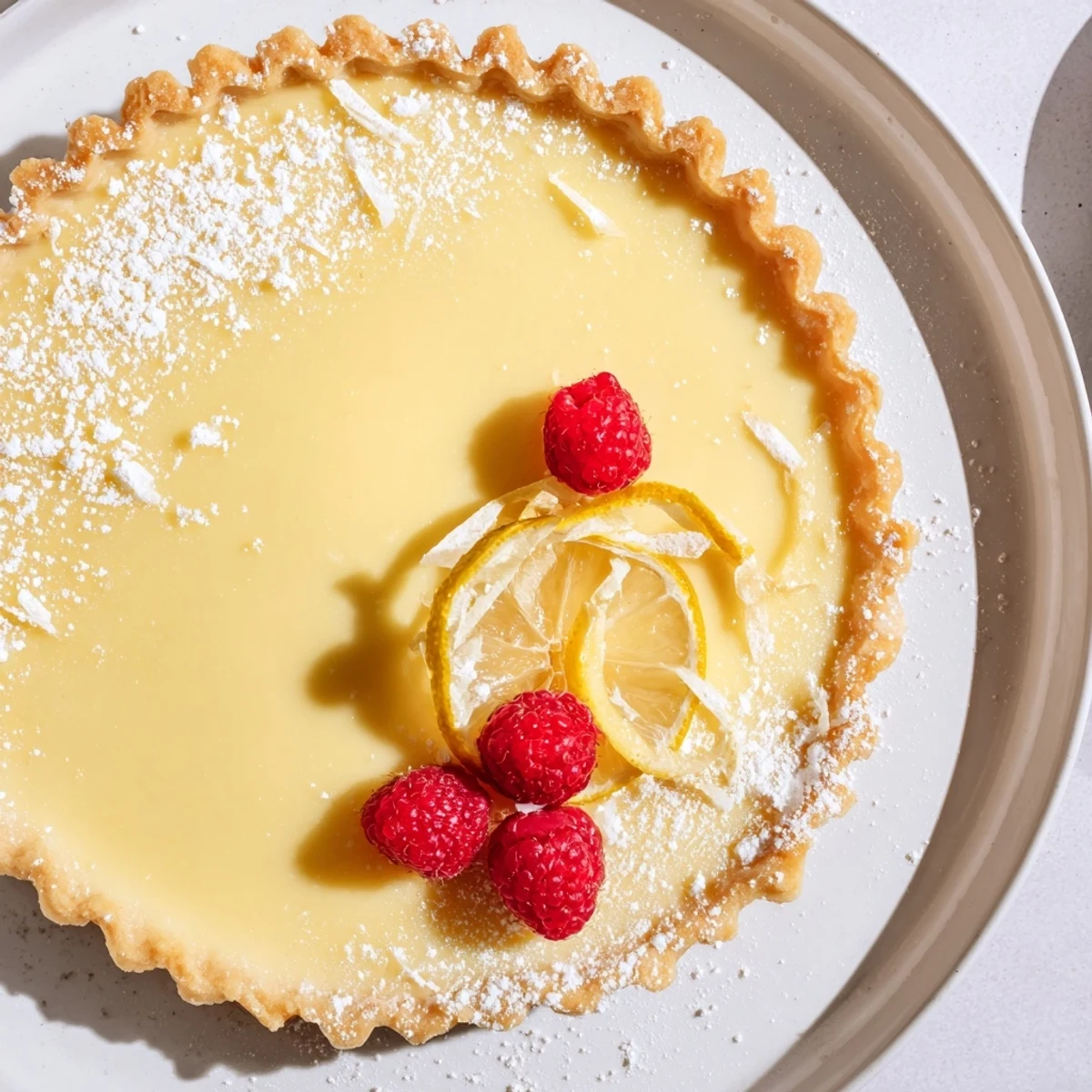
- Right before serving, dust with powdered sugar and add fresh berries or candied lemon if you’re feeling fancy.
 Save
Save Once, after a long, rainy afternoon, a slice of this tart was the only sunshine we needed at the table—half the group went back for seconds while swapping stories, lemon zest lingering on our fingertips.
Why Cold Butter Really Matters
I used to let the butter soften for convenience, but the day I tried it straight from the fridge, the difference in flakiness was honestly shocking—those crisp shards when you bite in? That’s icy butter magic at work.
How To Nail The Perfect Lemon Curd
Whisking the filling slowly but surely is the secret—if you go too fast or get distracted, you’ll wind up with bubbles or a grainy finish instead of velvety smoothness.
Serving and Storage Secrets
Tart slices keep beautifully chilled for up to two days, but resist the urge to cover too tightly: a little airflow prevents the crust from getting soggy.
- Let your tart sit at room temp for 10 minutes before slicing for effortless serving.
- Use a wet knife for the cleanest edges—highly satisfying.
- If you add berries, place them just before serving for maximum freshness.
 Save
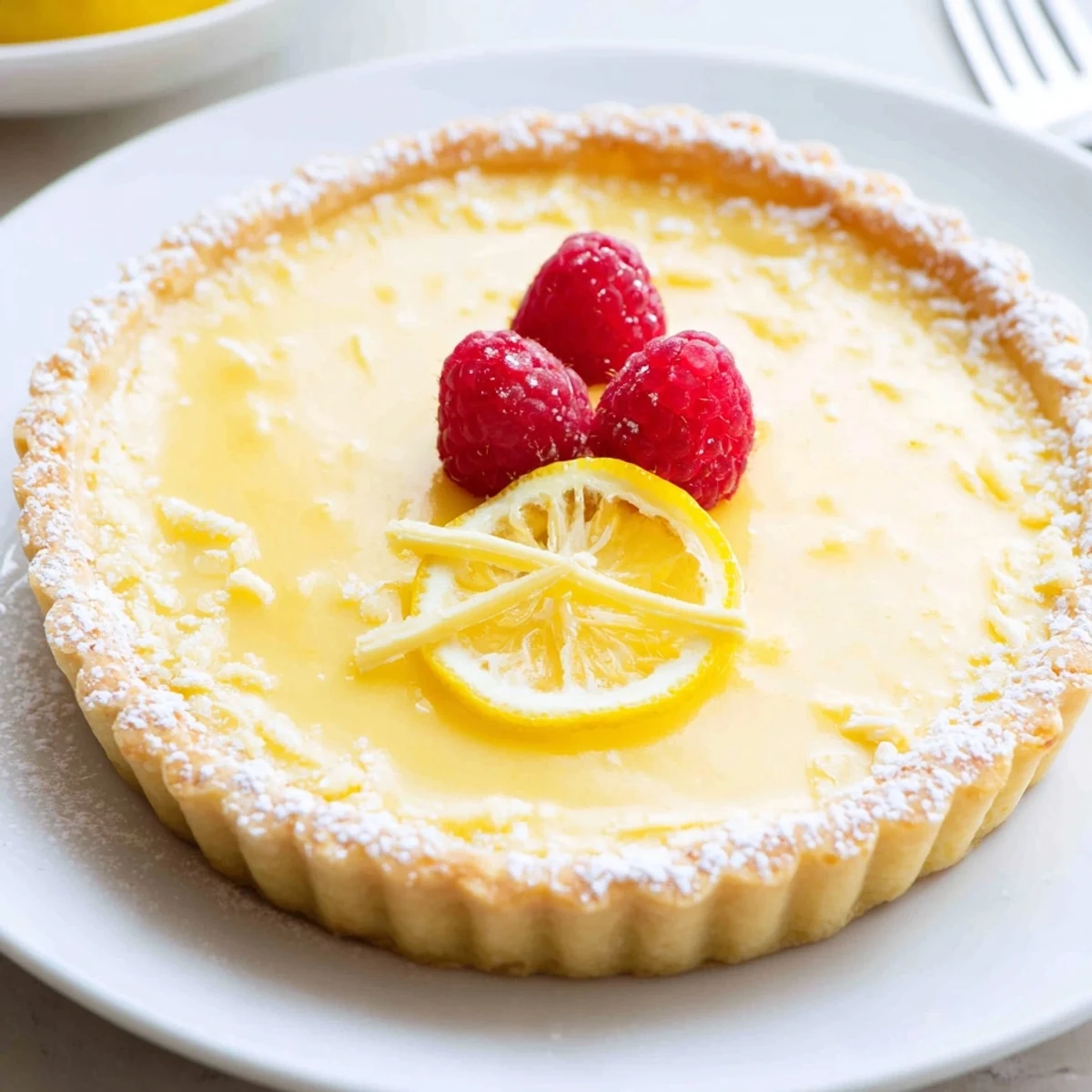
Save This tart has a way of lingering in the memory—zingy, sweet, and quietly luxurious. I hope it brings as much cheer to your table as it has to mine.
Recipe FAQs
- → Why blind-bake the crust?
-
Blind-baking firms and dries the crust so it stays crisp when filled with the moist lemon custard. Weighting the pastry prevents shrinkage and ensures an even base.
- → How can I tell when the filling is done?
-
The edges should be set and the center slightly jiggly like a soft custard. It will continue to firm as it cools and chills; avoid overbaking to keep a silky texture.
- → Any tips for a flaky, tender crust?
-
Use cold butter cut into small pieces and handle the dough minimally. Chill the dough before rolling and rest the formed shell in the freezer briefly to reduce shrinkage.
- → Can I adjust the lemon intensity?
-
Increase zest for brighter aroma and more lemon juice for tang. Taste the filling before baking and balance acidity with a touch more sugar if needed.
- → How long should the tart chill before serving?
-
Chill at least one hour to allow the filling to set completely; longer chilling yields cleaner slices and a firmer texture.
- → What garnishes complement this tart?
-
Simple dustings of powdered sugar, a scattering of fresh berries, or thin candied lemon slices highlight the tart's citrus notes without overpowering the creamy filling.