
 Save
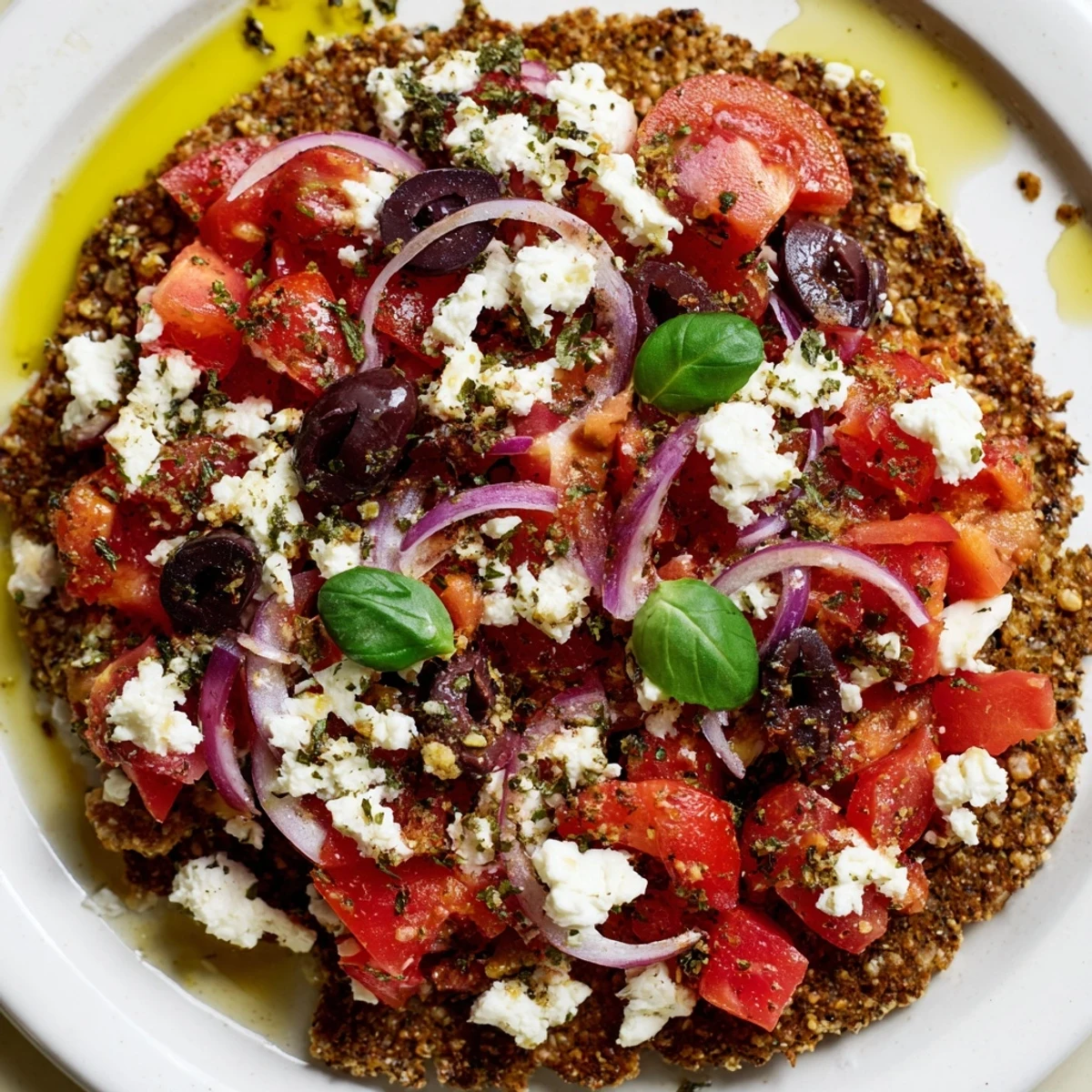
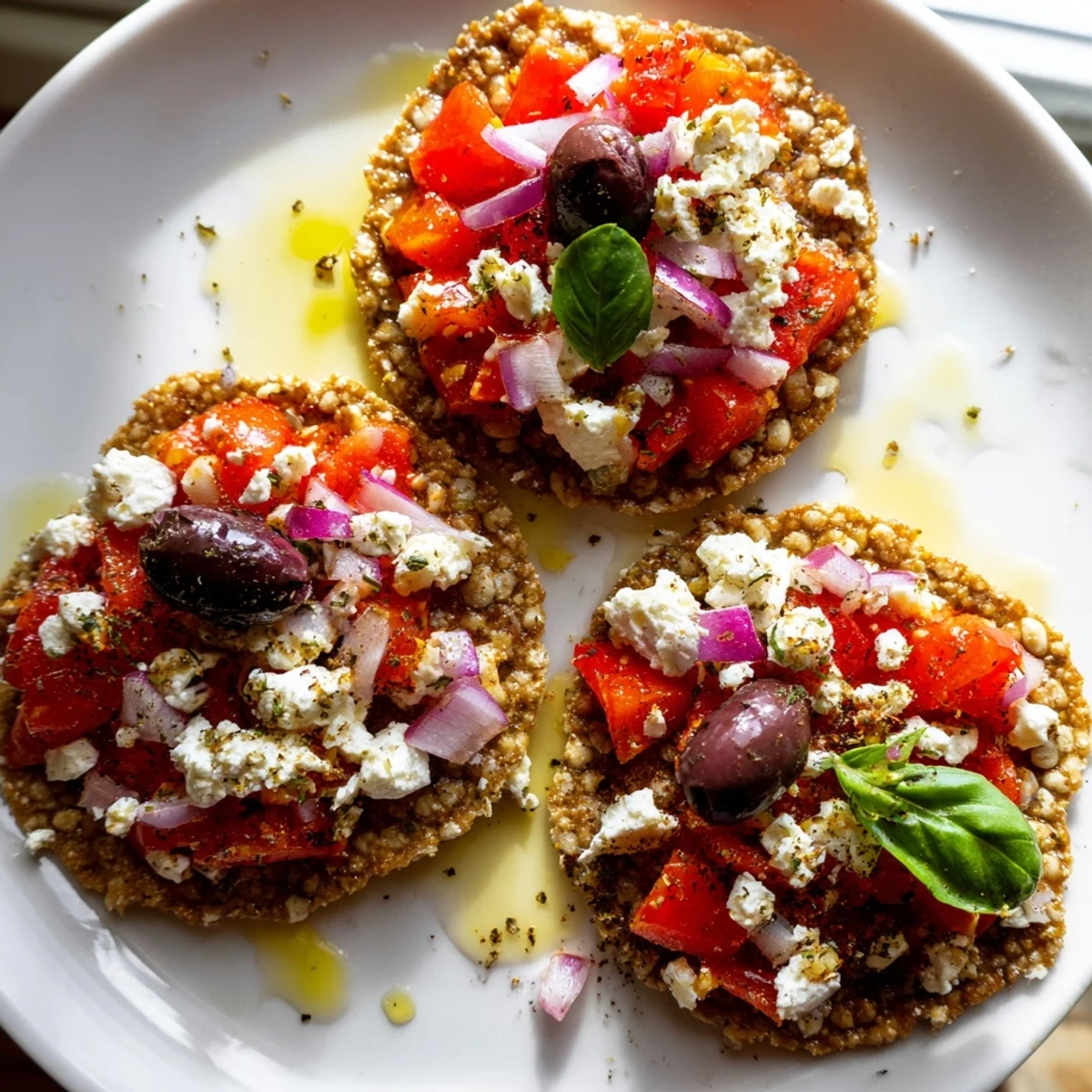
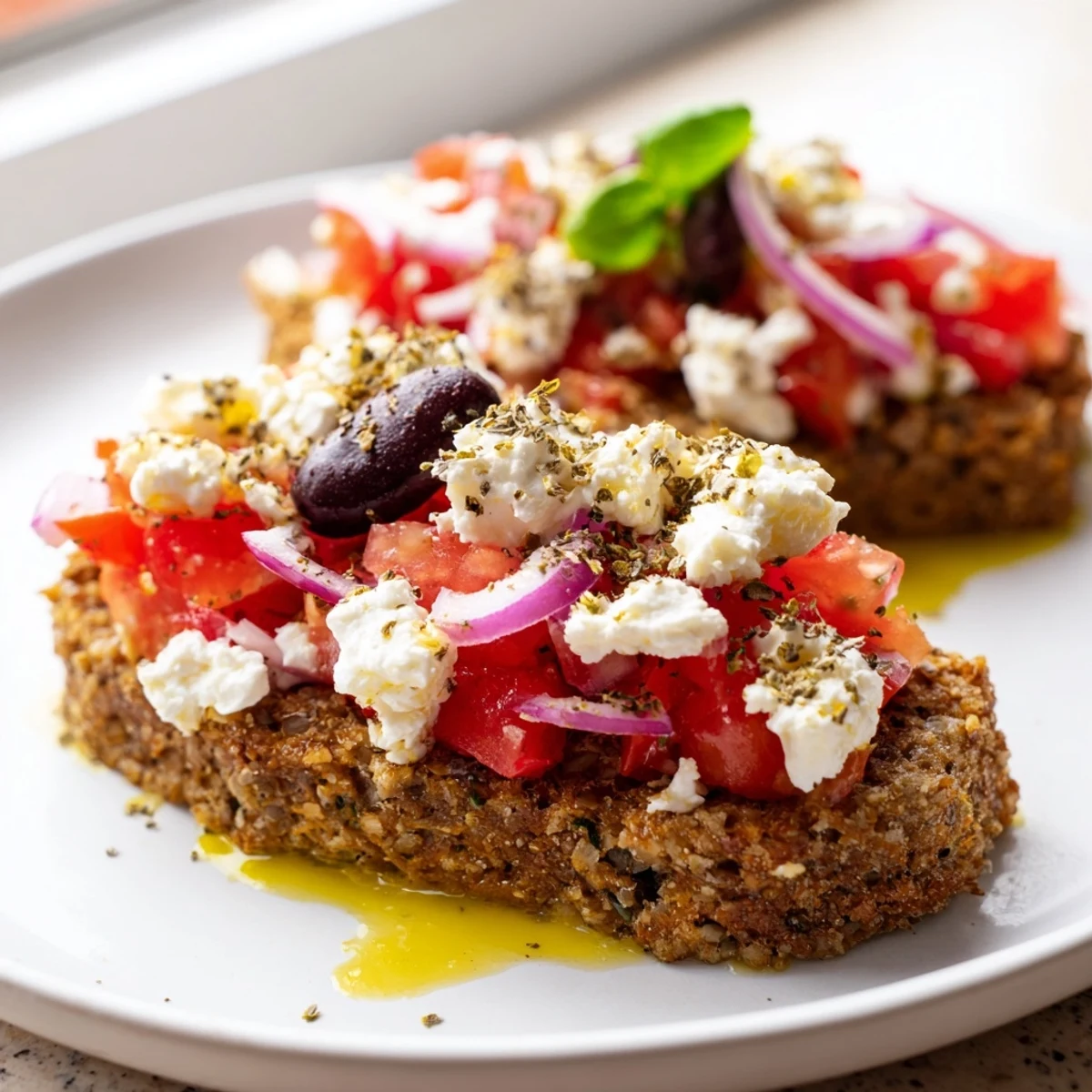
Save Crispy Cretan feta rusks bring together the best of Mediterranean flavors in a simple, satisfying bite. Hearty barley rusks are lightly toasted until golden, then drizzled with extra virgin olive oil and topped with ripe diced tomatoes, finely chopped red onion and generous crumbles of creamy feta cheese.
A sprinkle of dried oregano and freshly ground black pepper finishes each piece perfectly. Ready in just 25 minutes, this traditional Greek appetizer works beautifully for gatherings, light lunches or whenever you crave authentic Cretan flavors.
The sound of a rusk cracking under the weight of ripe tomato and salty feta takes me straight to a dusty afternoon in Chania, sitting at a plastic table outside a taverna where the owner simply slapped everything onto rough bread and called it lunch. I didnt expect much from that plate, but the combination of textures, that resistant crunch giving way to creaminess, made me a devotee on the spot. Now I make these at home whenever I need something that feels like sunshine without requiring much effort.
I once served these at a garden gathering where a friend who never eats bread went back for her third rusk, swearing each time it would be her last. Something about the barley base feels different enough that even the carb cautious lose their resolve.
Ingredients
- Cretan barley rusks (dakos): These are the heart of the dish, and regular crackers will not give you the same satisfying resistance when you bite through them.
- Feta cheese: Use a good quality block stored in brine if you can find it, because the pre crumbled kind dries out and lacks the creamy tang you want here.
- Ripe tomatoes: The juicier the better, since their moisture is what softens the rusk just enough without needing to drown it in water.
- Red onion: Keep the pieces small so the sharpness distributes evenly without overwhelming any single bite.
- Extra virgin olive oil: This is not the place for your neutral cooking oil, since the grassy peppery finish of a good olive oil is practically a topping itself.
- Dried oregano: Rub it between your palms before sprinkling to wake up the essential oils and release far more aroma.
- Kalamata olives (optional): They add a briny depth that makes the whole thing taste even more like a Greek island.
Instructions
- Warm the oven:
- Set it to 180 degrees Celsius (350 degrees Fahrenheit) and let it come fully to temperature while you prepare the toppings, because a properly heated oven makes the difference between a rusk that toasts evenly and one that stays stubbornly hard in the center.
- Prepare the rusks:
- Arrange them on a baking tray and give each one a light sprinkle of water, just enough to take the edge off their hardness without making them soggy. Think of it as waking them up gently rather than soaking them.
- Toast until golden:
- Bake for seven to ten minutes until the edges turn a shade darker and your kitchen smells like a bakery. You want them crisp but not rock hard, since they will soften further once the tomatoes arrive.
- Oil while warm:
- Pull the tray out and drizzle a tablespoon of olive oil over each rusk while they are still hot so the oil seeps into the surface rather than pooling on top. This creates a flavorful barrier that keeps the rusk from dissolving too quickly under the juicy toppings.
- Build the layers:
- Spoon the diced tomatoes evenly across each rusk, scatter the red onion over the top, and then crumble the feta generously so every bite gets that salty creamy punch.
- Season and finish:
- Sprinkle with oregano and black pepper, add a cautious pinch of sea salt only after tasting the feta, then drizzle the remaining olive oil and scatter olives and herbs if you are using them. Serve right away while the rusk still has its crunch.
 Save
Save A neighbor once knocked on my door while I was assembling a plate of these, and we ended up standing in the kitchen eating the entire batch over a conversation that lasted two hours. Food like this has a way of slowing time down.
Swaps and Variations
If you cannot find barley rusks, a sturdy sourdough slice toasted until firm works surprisingly well, though you lose some of the nutty barley flavor that makes this distinctly Cretan. Fresh mizithra or a soft goat cheese can replace the feta when you want something gentler and less salty.
What to Drink Alongside
A glass of Assyrtiko from Santorini is the classic pairing and worth seeking out, because its mineral crispness cuts through the richness of the olive oil and cheese perfectly. A Sauvignon Blanc or even a cold ros will do the job nicely if Greek wines are not available where you shop.
Getting Ahead and Storing
You can dice the tomatoes and crumble the feta hours in advance and keep them separately in the fridge, but always assemble and serve at the last possible moment. Once the wet toppings meet the rusk, the clock starts ticking on that perfect texture.
- Leftover assembled rusks will soften overnight in the fridge and still taste fine, but they become a completely different dish.
- Keep any unused rusks in an airtight container and they will stay usable for weeks.
- Always let refrigerated tomatoes come to room temperature before topping, since cold tomatoes lose nearly all their flavor.
 Save
Save Some dishes you cook to impress, and some you cook because they remind you that simple food, treated with a little care, is often the most satisfying kind. These rusks are firmly in the second camp, and that is exactly what makes them worth keeping in your back pocket.
Recipe FAQs
- → What type of rusks work best for this dish?
-
Traditional Cretan barley rusks, known as dakos, are ideal because of their dense, hearty texture that holds up well under toppings without becoming soggy. If you cannot find dakos, any sturdy whole grain rusk or twice-baked bread will work as a substitute.
- → Can I prepare the toppings ahead of time?
-
Yes, you can dice the tomatoes, chop the onion and crumble the feta in advance. Store each component separately in the refrigerator. Assemble the rusks just before serving to maintain the satisfying contrast between the crunchy base and moist toppings.
- → Why do you sprinkle water on the rusks before baking?
-
A light sprinkling of water softens the extremely hard surface of traditional barley rusks just enough so they are not unpleasantly tough to bite, while still preserving their signature crunch after a brief stint in the oven.
- → What cheese alternatives work besides feta?
-
Fresh mizithra offers a milder, creamier option that is equally traditional in Crete. Crumbled goat cheese brings a pleasant tanginess, while ricotta salata provides a firmer, saltier finish. Each alternative pairs beautifully with the tomato and olive oil base.
- → How should leftovers be stored?
-
Once assembled, the rusks will soften considerably over time. It is best to store leftover toppings separately from the rusks in airtight containers in the refrigerator for up to two days. Toast fresh rusks and reassemble when ready to enjoy again.
- → What wine pairs well with Cretan feta rusks?
-
A crisp white wine such as Assyrtiko from Santorini or a Sauvignon Blanc complements the salty feta and herby oregano beautifully. A light, dry rosé also works wonderfully if you prefer something between white and red.