 Save
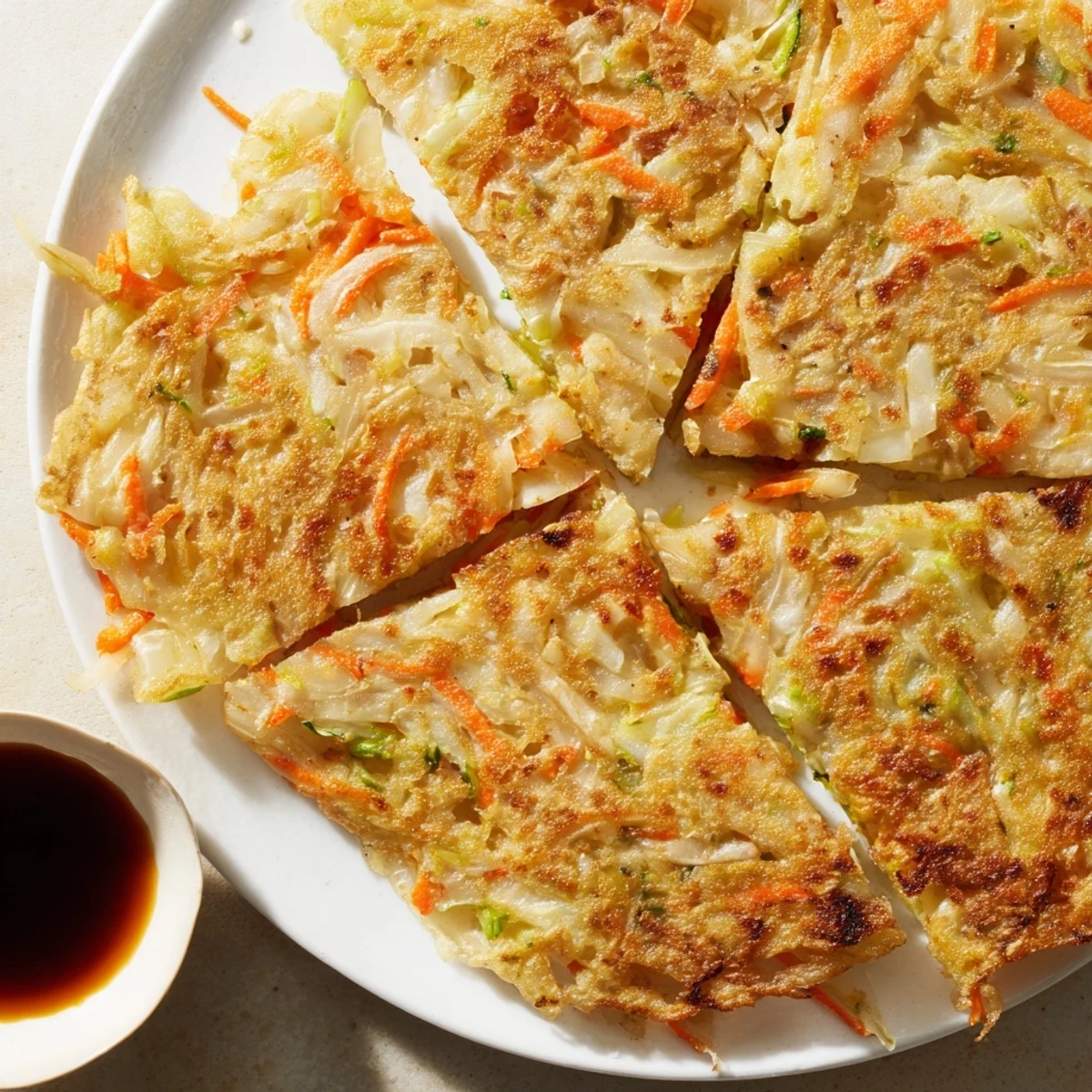
Save These crispy Korean pancakes, known as Pajeon, feature a light batter stuffed with fresh scallions and colorful vegetables. The secret to achieving that perfect crunch lies in using ice-cold water and a hot skillet with plenty of oil. Each pancake cooks in just minutes, resulting in golden edges and a tender center. Pair with the traditional soy-vinegar dipping sauce for an authentic Korean appetizer experience. Customize with seafood, kimchi, or mushrooms based on preference.
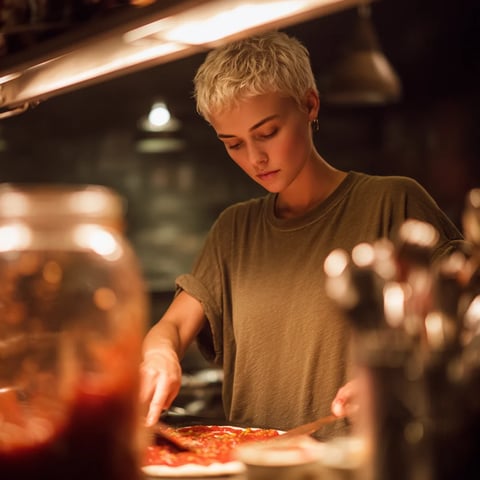
The rain was coming down sideways last Tuesday when I found myself staring at an intimidating bunch of scallions from my CSA box. I'd never made Korean pancakes before, but something about the gray weather made me crave that hot, crispy comfort food. My first attempt was a disaster, the batter too thick and the pancake more like a sad frisbee than the lacy, golden creation I'd imagined. Three tries later, I finally understood what makes these pancakes sing, and now they are my absolute go-to when I need dinner fast.
Last month my sister came over after a terrible day at work, and I made these while she sat at the counter complaining about her boss. The sizzle of the batter hitting the hot oil seemed to make everything better, and by the time we were eating, she forgot she was even upset. There is something magical about food that requires you to stand at the stove and pay attention, flipping at just the right moment, that forces you to be present.
Ingredients
- All-purpose flour: The backbone of the batter, though I have used half whole wheat in a pinch and they still turned out delicious
- Rice flour: This little addition is what gives the pancake that restaurant quality shatter when you bite into it
- Cold water: Use ice cold water from the fridge, it keeps the gluten from developing too much and makes for a lighter pancake
- Egg: One egg adds structure and helps bind everything together without making the batter too heavy
- Salt: Do not skip this, it is what balances the bland vegetables and brings everything forward
- Scallions: Cut them into longer pieces so you get those gorgeous green streaks running through the pancake
- Carrots: Julienned thin so they cook through in the same time as the batter
- Onion: Thinly sliced, they become sweet and translucent in the hot pan
- Vegetable oil: You need enough oil to get that golden crispy bottom, do not be shy with it
Instructions
- Whisk the batter:
- Combine the flours, salt, egg, and cold water in a large bowl until smooth. Let it rest for a few minutes while you prep your vegetables, which gives the flour time to hydrate properly.
- Add the vegetables:
- Gently fold in the scallions, carrots, and onion until everything is evenly coated. The batter should be thin enough to pour easily but thick enough to cling to the vegetables.
- Heat your pan:
- Warm a non-stick skillet over medium-high heat with a tablespoon of oil until it shimmers. You want the pan hot enough that the batter sizzles immediately upon contact.
- Cook the pancake:
- Pour a quarter of the batter into the pan and spread it thin. Cook until deep golden on the bottom, then flip carefully and cook until crispy on both sides.
- Make the sauce:
- Whisk together the soy sauce, vinegar, sesame oil, sugar, scallion, and chili flakes while the pancakes cook.
 Save
Save My neighbor smelled the frying onions through the open window and knocked on my door to investigate. We ended up eating pancakes standing up in the kitchen with the dipping sauce dripping everywhere. Sometimes the best meals are the ones you never planned to share.
Getting the Crispest Edges
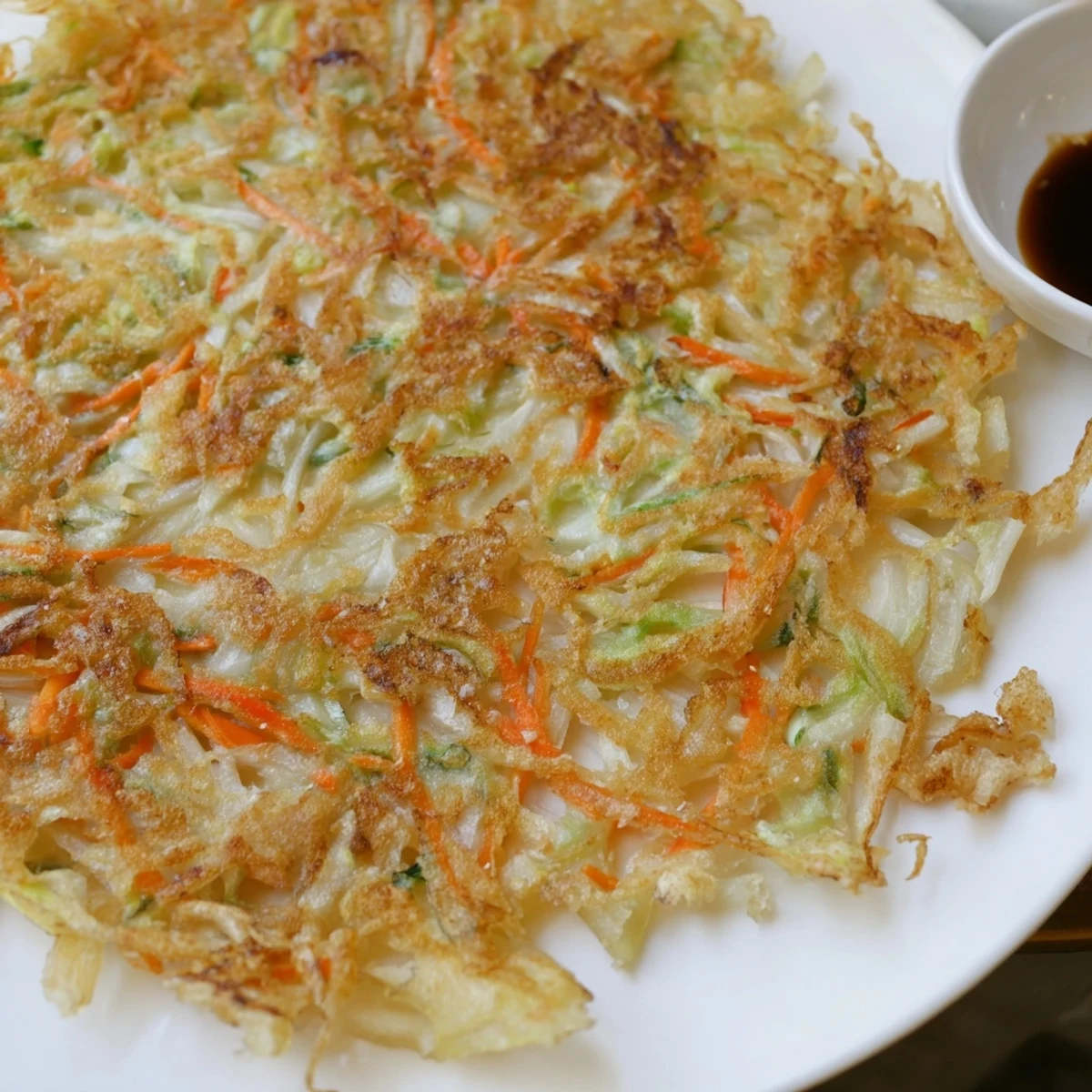
The secret restaurant technique I finally figured out is pressing the pancake down gently with your spatula after flipping it. This creates more surface contact with the hot pan and gives you those impossibly crispy, lacey edges that make Korean pancakes so addictive.
Customizing Your Pancakes
I have made these with leftover kimchi, shredded zucchini from the garden, and even corn cut fresh off the cob in late summer. The template stays the same, but the vegetables change with whatever needs using up.
Serving Suggestions
These pancakes make an incredible appetizer but can absolutely stand alone as a light dinner with a simple soup on the side. I love to cut them into smaller triangles for parties and watch them disappear.
- Keep cooked pancakes warm in a 200 degree oven while you finish the batch
- The dipping sauce can be doubled and kept in the fridge for up to a week
- Serve immediately because they lose their signature crunch as they sit
 Save
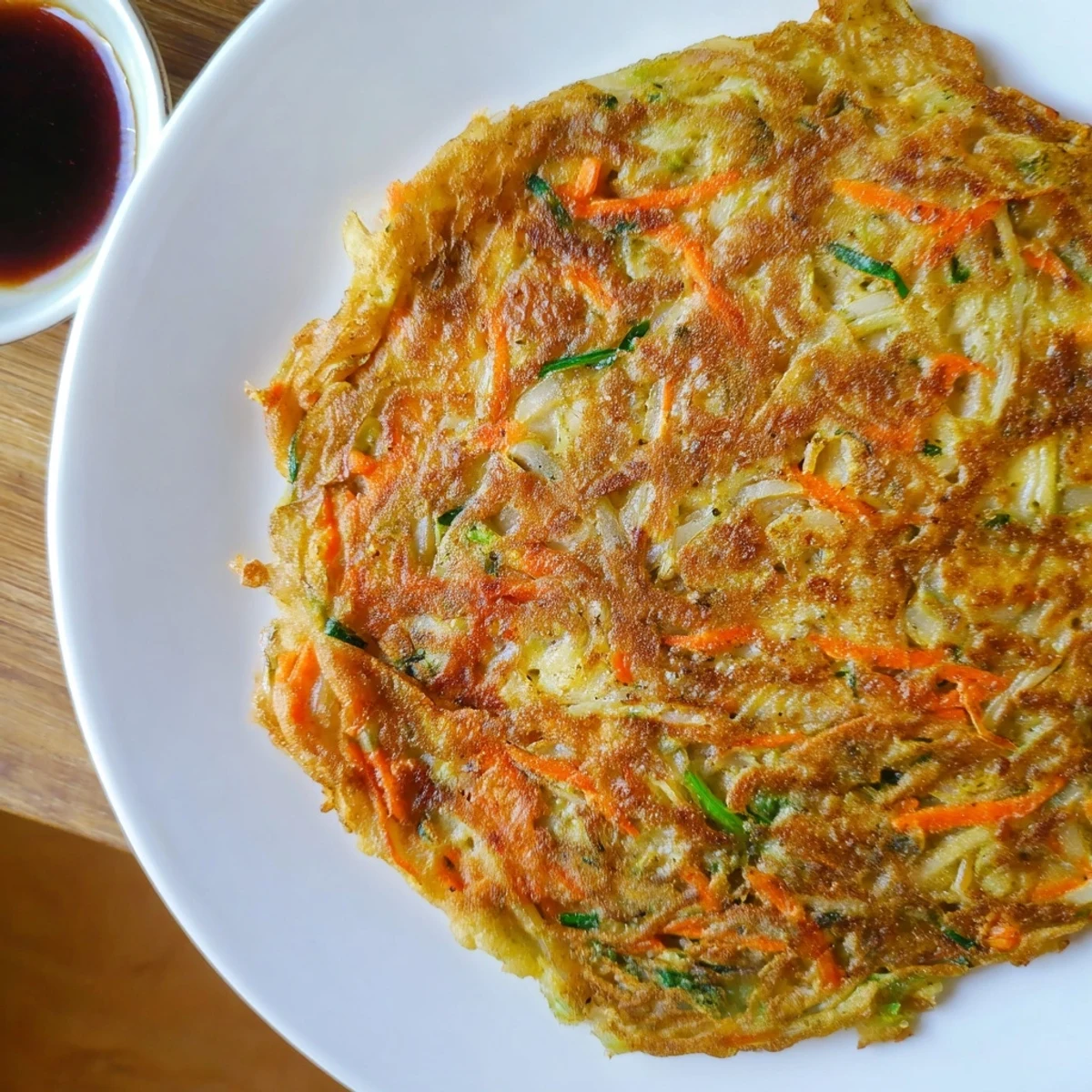
Save There is nothing quite like tearing into a hot pancake fresh from the pan, especially when it is raining outside and you have nowhere else to be.
Recipe FAQs
- → What makes these pancakes crispy?
-
Using ice-cold water in the batter creates a temperature difference that promotes crispiness. Additionally, cooking in a hot skillet with sufficient vegetable oil ensures golden, crunchy edges while keeping the interior tender.
- → Can I make these ahead of time?
-
While best served immediately for maximum crispiness, you can cook them in advance and reheat in a 350°F oven for 5-7 minutes. Avoid microwaving as it makes them soggy.
- → What vegetables work well in these pancakes?
-
Scallions are traditional, but julienned carrots, thinly sliced onions, mushrooms, and bell peppers all work beautifully. For Korean-inspired variations, try adding chopped kimchi or perilla leaves.
- → Is the dipping sauce essential?
-
The dipping sauce balances the savory pancakes with tangy vinegar and salty soy sauce. While optional, it's highly recommended for authentic flavor. You can substitute with store-bought ponzu sauce in a pinch.
- → Can I make these gluten-free?
-
Substitute all-purpose flour with a 1:1 gluten-free flour blend or chickpea flour. Rice flour in the recipe already helps with texture. Ensure your dipping sauce uses gluten-free soy sauce or coconut aminos.