
 Save
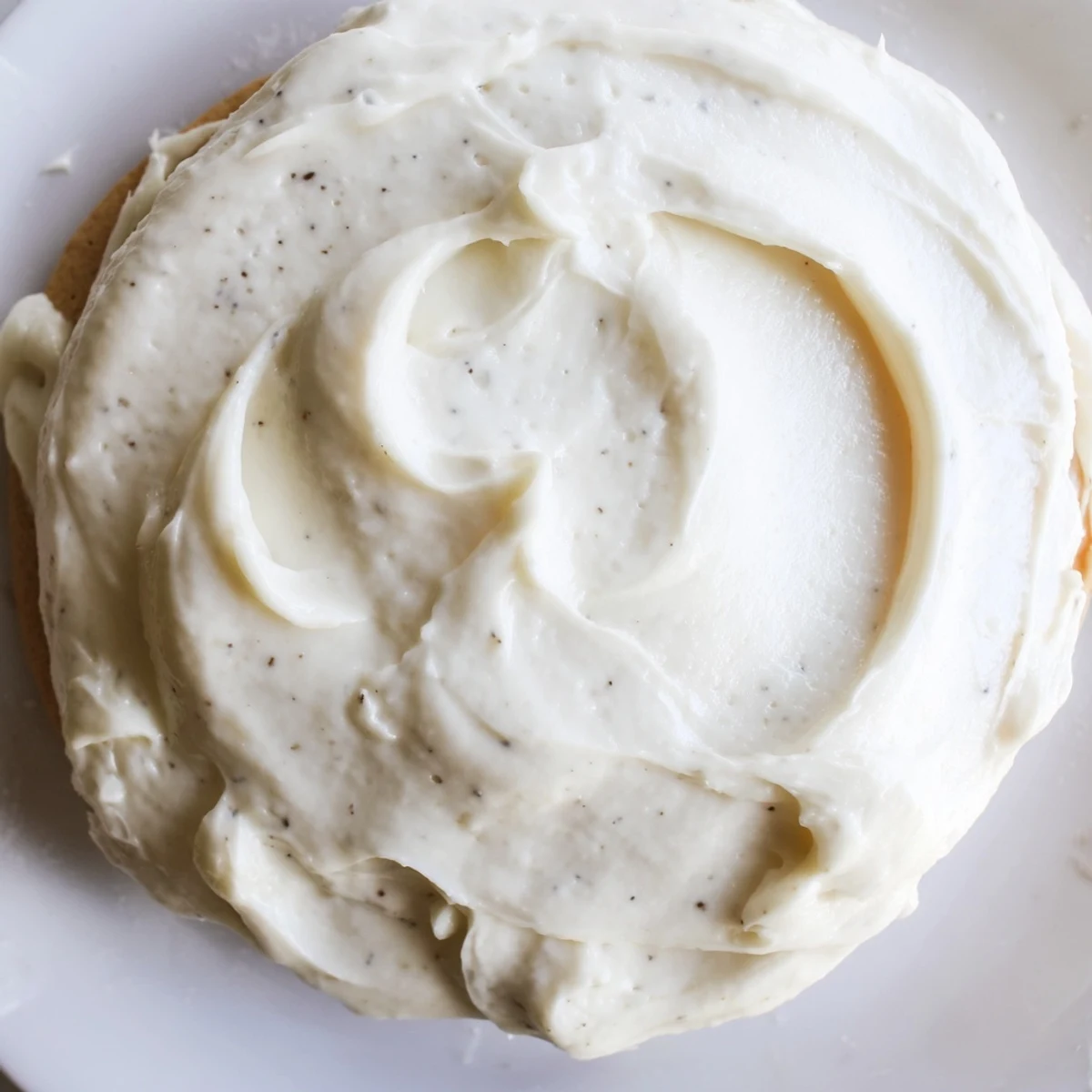
Save This silky vanilla buttercream transforms sugar cookies with its smooth texture and professional finish. The frosting whips up in just 10 minutes using basic pantry ingredients—butter, powdered sugar, milk, and pure vanilla extract.
What makes this topping special is how it spreads effortlessly across cookie surfaces, then develops a delicate crust that holds its shape beautifully for decorating. You can easily adjust the consistency by adding more milk for a thinner glaze or extra powdered sugar for stiffer piped designs.
The recipe yields enough to frost about two dozen cookies, though leftovers store wonderfully in the refrigerator for up to a week. Simply bring to room temperature and re-whip before using again.
My kitchen counter was covered in a light dusting of powdered sugar, looking like a fresh snowfall, while my daughter sat on a stool waiting to decorate cookies. I had tried so many frosting recipes that were either too stiff to spread or melted into a sticky mess, leaving us with sad-looking treats. This vanilla buttercream changed everything—thick enough to hold its shape, smooth enough to pipe, and it actually sets up so you can stack the cookies without them sticking together. Now it's the only frosting we use for holiday baking, birthday parties, and those random Tuesday nights when we just need something sweet.
Last Christmas Eve, my sister and I stayed up until midnight frosting dozens of cutout cookies while listening to old holiday music and drinking spiced tea. We were both exhausted from weeks of holiday prep, but something about spreading this silky vanilla buttercream onto warm sugar cookies felt therapeutic and happy. Every person who took a bite the next day asked for the recipe, and now our whole extended family makes it for every celebration.
Ingredients
- Unsalted butter: Softened to room temperature so it blends easily into the powdered sugar without creating lumps in your frosting
- Powdered sugar: Sift it first to break up any clumps that will make your frosting grainy instead of silky smooth
- Whole milk: Adds just the right amount of creaminess, though cream works too if you want an extra rich frosting
- Pure vanilla extract: Dont use imitation here because the vanilla flavor really shines through in such a simple recipe
- Salt: Just a tiny pinch balances all the sugar and makes the vanilla flavor pop
Instructions
- Beat the butter:
- Start with softened butter and whip it for a full minute until its pale and creamy, which creates the base for a fluffy frosting
- Add the sugar gradually:
- Pour in the powdered sugar slowly while mixing on low to prevent a cloud of sugar from floating out of your bowl and coating your kitchen
- Add flavor and whip:
- Pour in the milk, vanilla, and salt, then beat on medium-high for 2 to 3 minutes until the frosting turns light and airy
- Adjust the consistency:
- Add more milk if you want it thinner for spreading, or more powdered sugar for stiffer frosting that holds detailed piping designs
- Frost your cookies:
- Make sure your sugar cookies are completely cool before spreading, then let the frosted cookies sit for an hour or two to form that perfect slight crust on top
 Save
Save The first time I made this for my daughters school bake sale, another mom asked if I had bought them from a bakery because they looked so perfect. That little compliment made me feel like I had finally mastered something that seemed so simple but had given me trouble for years. Now whenever I see a perfectly frosted sugar cookie, I think about how the best recipes are often the ones that seem the easiest.
Getting The Right Texture
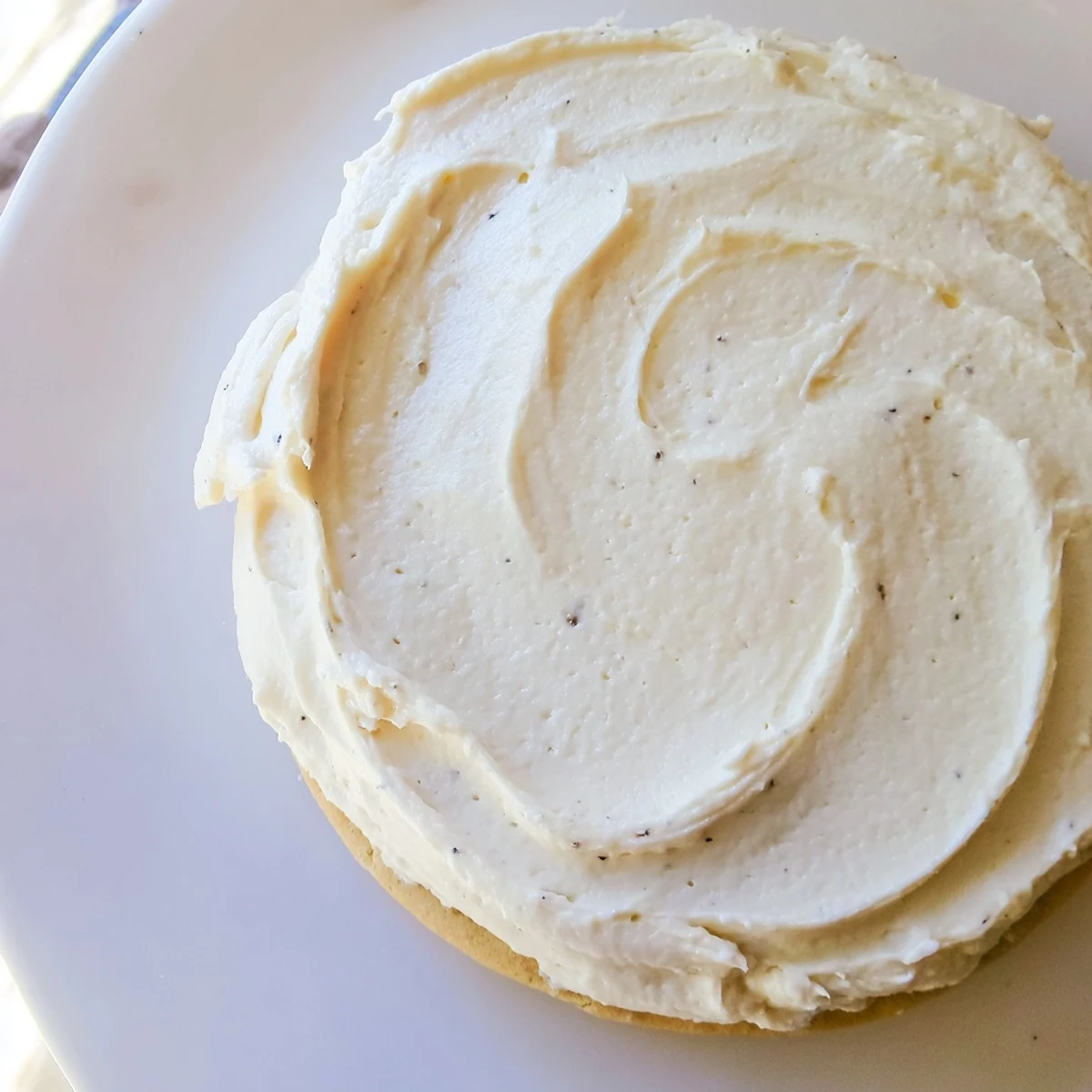
The consistency of your frosting depends on what you want to do with it. For spreading with a knife, you want it soft enough to glide smoothly without tearing the cookie surface. For piping borders or detailed decorations, add another quarter cup of powdered sugar to stiffen it up so it holds those crisp lines.
Color Without Compromise
Gel food coloring is your friend here because liquid coloring can thin out your frosting and change the consistency completely. Start with a tiny bit on a toothpick and mix thoroughly—you can always add more but you cant take color back once its too dark.
Making It Ahead
This frosting keeps beautifully in an airtight container in the refrigerator for up to a week. When you are ready to use it again, let it come to room temperature and give it a quick whip with your mixer to restore that fluffy texture. You can even freeze it for up to three months if you want to get a head start on holiday baking.
- Always taste your frosting before you start decorating so you can adjust the vanilla or salt if needed
- If your frosting feels too stiff after refrigerating, add just a teaspoon of milk while re-whipping
- Work quickly once you start frosting because this recipe does set up faster than you might expect
 Save
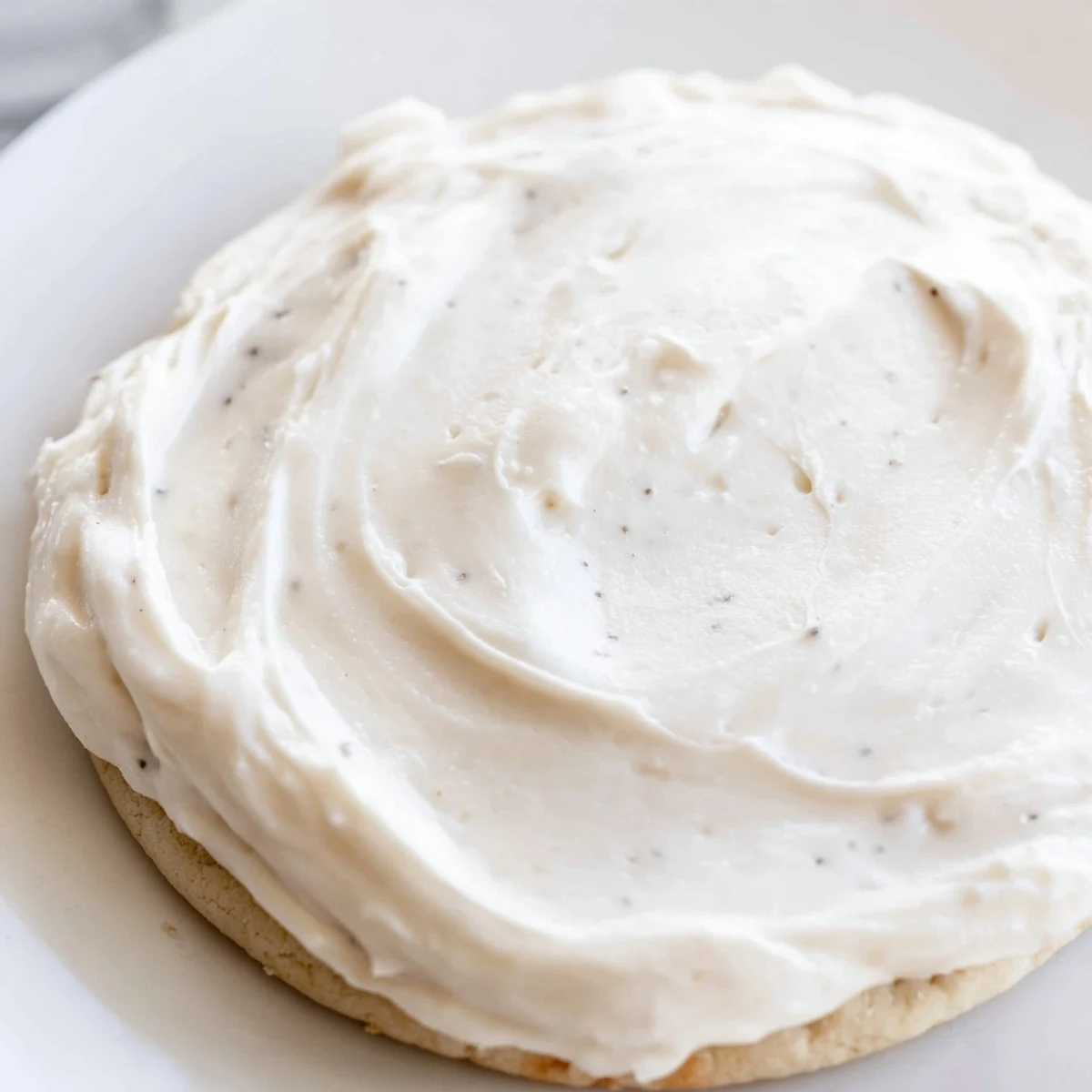
Save Theres something so satisfying about a perfectly frosted sugar cookie, and this recipe makes it feel almost effortless. Happy baking, and enjoy every sweet moment.
Recipe FAQs
- → What consistency should this frosting be?
-
The ideal consistency is smooth and spreadable but firm enough to hold its shape. You should be able to lift a spatula and have the frosting hold a slight peak without being too stiff or too runny.
- → Can I make this frosting ahead of time?
-
Absolutely! Store it in an airtight container in the refrigerator for up to 1 week. When ready to use, let it come to room temperature and re-whip with your mixer for 2–3 minutes until fluffy again.
- → How do I color this buttercream?
-
Add gel food coloring after step 3, mixing thoroughly until evenly blended. Gel coloring works best as it won't thin the consistency like liquid food coloring can. Start with a small amount and add more gradually.
- → Why does my frosting feel too thick or thin?
-
Humidity and ingredient temperatures can affect consistency. If too thick, add milk 1 teaspoon at a time. If too thin, incorporate more sifted powdered sugar until you reach the desired texture.
- → Can I use this frosting on cakes and cupcakes?
-
Yes! This versatile buttercream works beautifully on cupcakes, cakes, and brownies. You may want to double the recipe if frosting larger cakes, and consider adding slightly more milk for easier spreading on cake surfaces.