
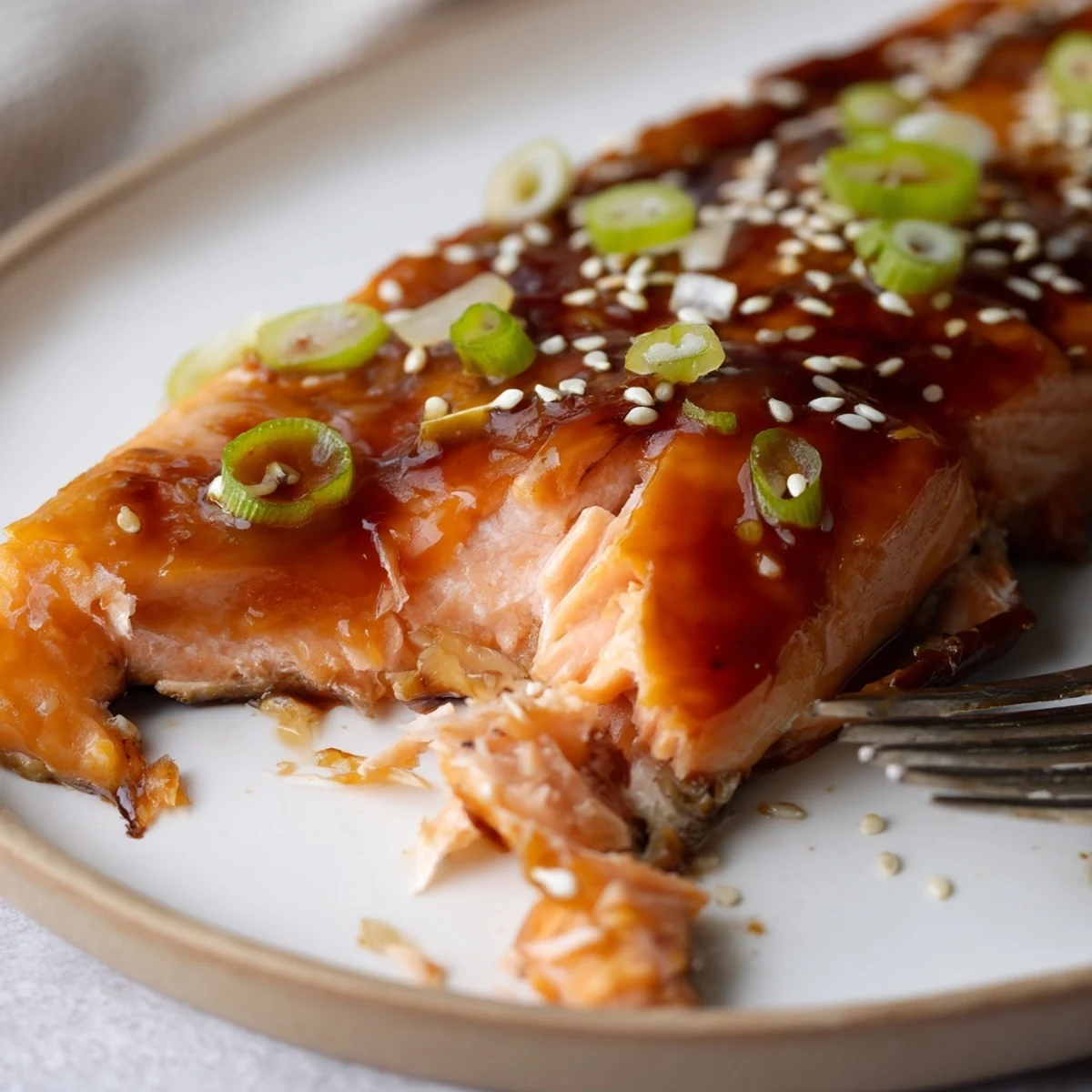
 Save
Save Preheat oven to 200°C (400°F). In a small pan, whisk tamari, maple syrup, rice vinegar, sesame oil, garlic and grated ginger; dissolve cornstarch in water and stir in to thicken. Arrange skin-on salmon on parchment, brush with glaze and bake 12–15 minutes until just flaky. Brush with remaining sauce, sprinkle sesame seeds and sliced spring onions. Marinate 20 minutes for deeper flavor; serve with steamed rice or sautéed greens. Note allergens: fish, soy, sesame.
The smell of teriyaki sauce hitting a hot pan is one of those scents that pulls everyone into the kitchen before dinner is even close to ready. My sister walked in one rainy Tuesday, saw me whisking tamari and maple syrup together, and immediately started setting the table without being asked. That sauce has a kind of magnetic pull, sweet and savory in a way that makes it impossible to wait patiently.
I served this to my neighbor who swears she does not like fish, and she came back for seconds while pretending she was just being polite. The glaze does most of the heavy lifting, turning plain salmon into something that tastes like you ordered it at a restaurant. We now have an unspoken agreement that I make it whenever she brings over a bottle of wine.
Ingredients
- 4 salmon fillets, skin on, about 170 g each: Skin on fillets hold together better during roasting and the skin acts like a natural barrier between the fish and the pan.
- 60 ml tamari or gluten free soy sauce: Tamari has a deeper, rounder flavor than regular soy sauce and keeps this entirely gluten free.
- 2 tbsp pure maple syrup: Real maple syrup gives a cleaner sweetness than sugar or honey, though honey works in a pinch.
- 2 tbsp rice vinegar: This brightens the sauce and balances the richness of the salmon without making it taste sour.
- 1 tbsp sesame oil: A little goes a long way and adds that toasted, nutty aroma that makes teriyaki taste authentic.
- 2 garlic cloves, minced: Fresh garlic crushed right before using gives a sharper, more alive flavor than pre minced jars.
- 2 tsp fresh ginger, grated: Use a microplane to grate it as fine as possible so it melts into the sauce rather than leaving chunks.
- 2 tsp cornstarch plus 2 tbsp water: This simple slurry is what transforms a thin liquid into a glossy glaze that actually sticks to the fish.
- 1 tbsp sesame seeds: Toasted seeds add a finishing crunch that makes the dish look as good as it tastes.
- 2 spring onions, sliced thin: Slice them on a sharp diagonal for a professional look and a mild onion bite at the end.
Instructions
- Prepare your oven and pan:
- Preheat the oven to 200 degrees Celsius (400 degrees Fahrenheit) and line a baking sheet with parchment paper so the salmon releases cleanly after roasting.
- Build the teriyaki sauce:
- Whisk tamari, maple syrup, rice vinegar, sesame oil, garlic, and ginger together in a small saucepan over medium heat until the mixture is bubbling gently at the edges.
- Thicken to a glaze:
- Dissolve cornstarch in water in a small bowl, stir it into the saucepan, and cook for two to three more minutes until the sauce coats the back of a spoon, then pull it off the heat.
- Glaze the salmon:
- Lay the fillets skin side down on your prepared baking sheet and brush them generously with the warm sauce, saving a little for a second coat later.
- Roast until just right:
- Bake for twelve to fifteen minutes until the thickest part of the fillet flakes easily when you press a fork into it, keeping a close eye after the twelve minute mark because salmon can overcook fast.
- Finish and serve:
- Pull the tray from the oven, brush the salmon with any remaining sauce, and scatter sesame seeds and spring onions over the top while the fish is still hot so everything adheres.
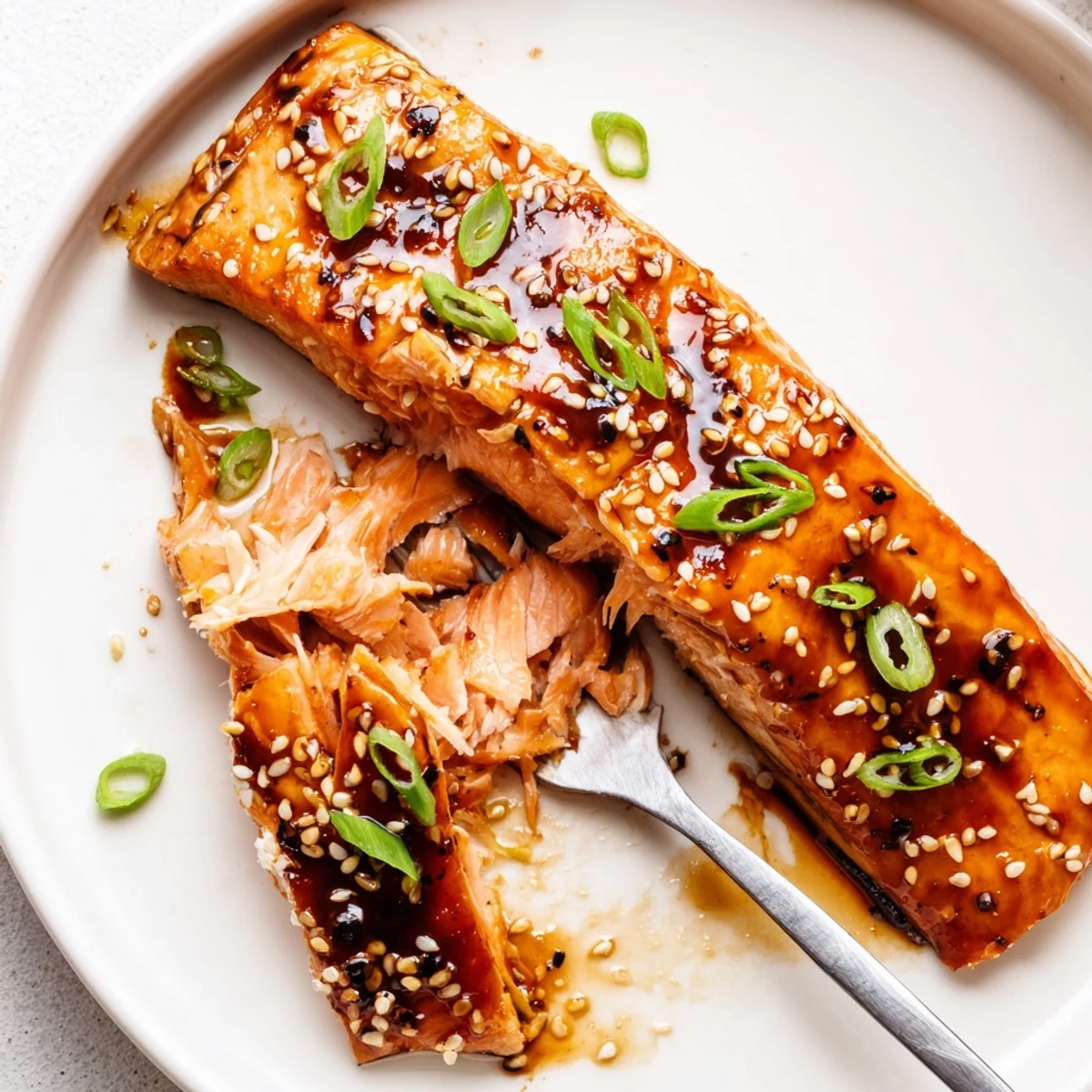 Save
Save There was a Sunday when I made this for a friend who had just moved into a new apartment with an empty fridge and boxes everywhere. We ate straight off the baking sheet sitting on the kitchen floor because neither of us had unpacked plates yet. She told me later that was the meal that made the new place finally feel like home.
Pairing Ideas for a Complete Meal
Steamed jasmine rice is the obvious choice here because it soaks up every drop of extra sauce, but cauliflower rice works beautifully if you want something lighter. A quick cucumber salad with rice vinegar and a pinch of sugar cuts through the richness of the salmon perfectly. Sautéed bok choy or snap peas with a splash of tamari round things out without adding much extra work.
What to Watch Out For
The most common mistake is using thick salmon fillets and underestimating how long they need compared to thinner cuts. Check the thickest piece first with a fork, and if it is not flaking, give the whole tray another two minutes rather than guessing. Also, always double check that your tamari bottle says gluten free on the label, because not every brand is certified even though tamari traditionally contains no wheat.
How to Make It Your Own
This recipe is more of a method than a strict formula, and once you have the teriyaki glaze down you can riff on it endlessly. Try adding a pinch of red pepper flakes to the sauce for heat, or swap maple syrup for honey if that is what is in your pantry.
- Marinate the salmon in the sauce for twenty minutes before roasting if you have the time, because it penetrates deeper and creates an even richer flavor.
- Broil the salmon for the last sixty seconds if you want a slightly charred, sticky top that looks dramatic on the plate.
- Leftover salmon flakes beautifully over a bowl of cold rice the next day with any remaining sauce drizzled on top.
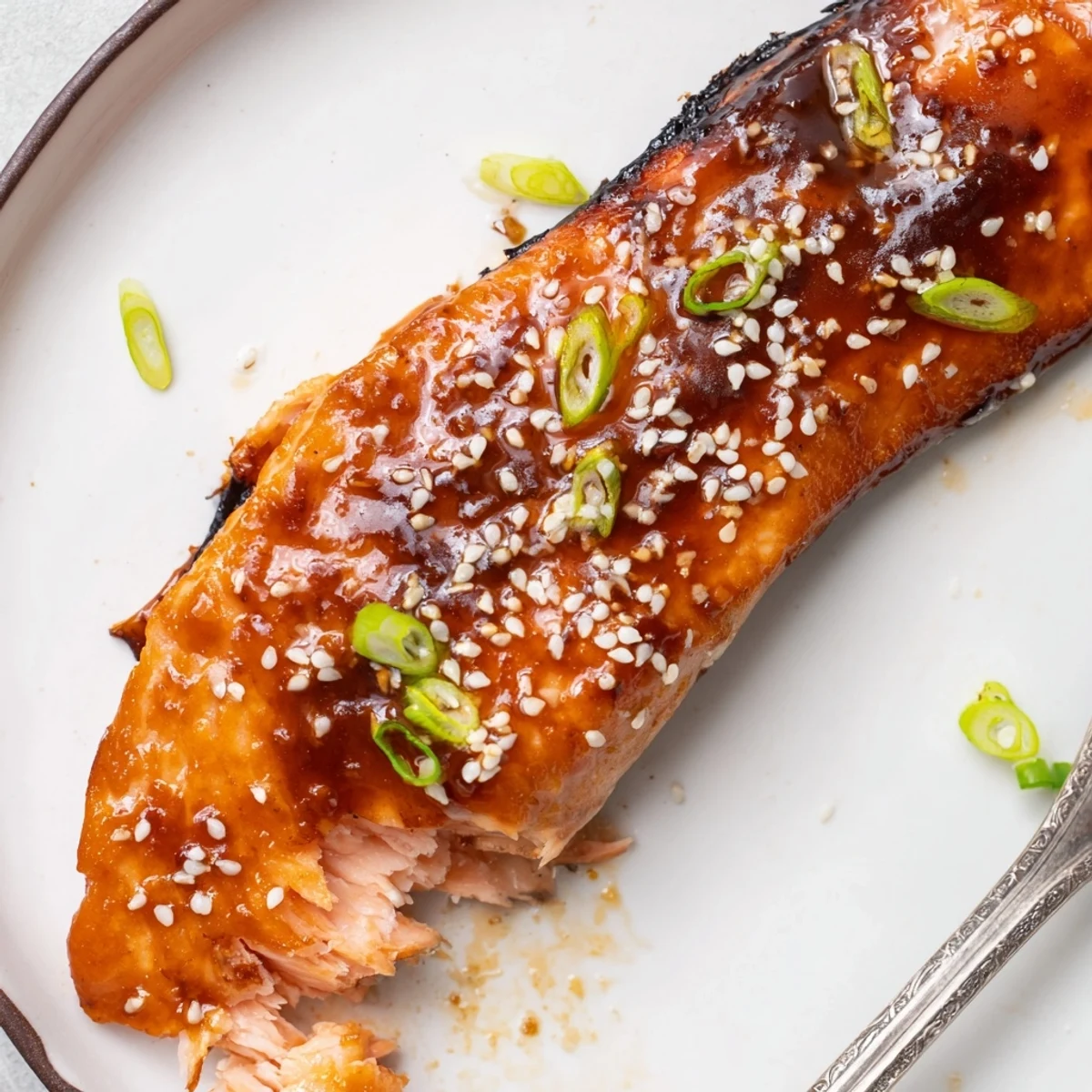 Save
Save This is the kind of recipe that earns a permanent spot in your rotation because it delivers every single time without asking much of you. Share it with someone who thinks gluten free cooking is complicated and watch them change their mind over dinner.
Recipe FAQs
- → How long should the salmon bake?
-
Bake skin-on fillets at 200°C (400°F) for 12–15 minutes, depending on thickness. Salmon is done when it flakes easily with a fork and is just opaque in the center.
- → Can I use regular soy sauce instead of tamari?
-
Yes, regular soy sauce works but it may contain gluten. For a gluten-free finish, choose tamari or a certified gluten-free soy alternative. Adjust saltiness to taste.
- → How do I thicken the teriyaki glaze?
-
Dissolve cornstarch in cold water and stir into the simmering sauce. Cook 2–3 minutes until glossy and thickened; it will cling to the salmon when brushed on.
- → Can I marinate the salmon ahead of time?
-
Yes—marinate skin-on fillets 20 minutes for deeper flavor. Avoid very long marinades in acidic mixtures to prevent the flesh from becoming mushy.
- → What sides pair well with this dish?
-
Serve with steamed rice, sautéed vegetables, or a crisp cucumber salad to balance the sweet-savory glaze and provide fresh texture.
- → How can I add heat to the glaze?
-
Add a pinch of red pepper flakes, a dash of chili paste, or some sliced fresh chili to the sauce while simmering for a controlled spicy kick.