
 Save
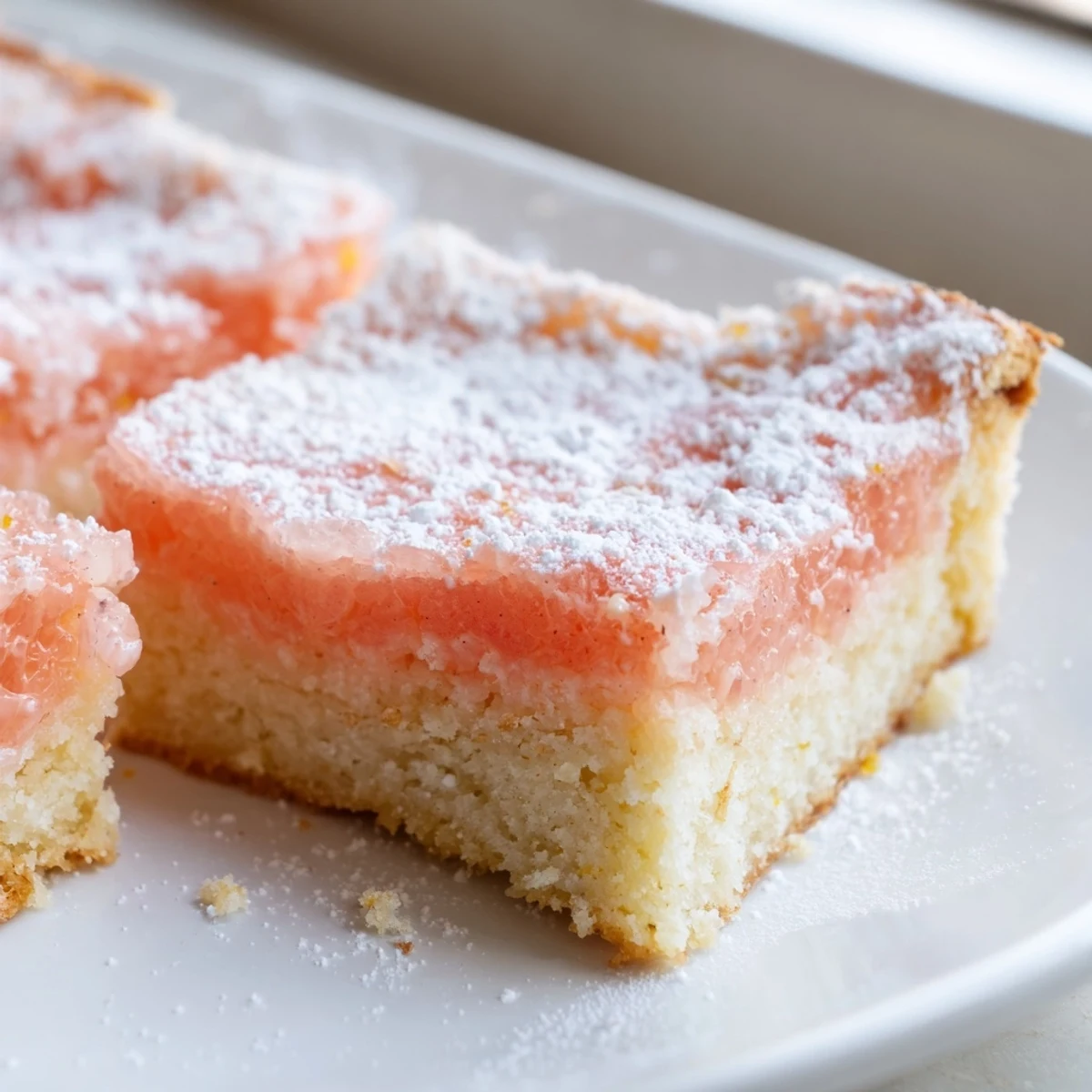
Save These vibrant grapefruit bars feature a tender, buttery shortbread base supporting a smooth and tangy citrus custard filling. The freshly squeezed grapefruit juice creates a wonderfully bright flavor profile that's perfectly balanced with the buttery crust. They're ideal for warm weather gatherings and pair beautifully with light floral teas or sparkling wines.
The first time I made grapefruit bars, I was honestly skeptical. Something about grapefruit in dessert felt like it might be too bitter or too strange. But one bite of that bright, sunshine-filled custard on a buttery crust completely changed my mind. Now they are my go-to when I need something that feels refreshing but still indulgent.
I brought these to a spring picnic last year and watched my friend Sarah take a tentative bite, then immediately reach for a second. She said she had never thought of grapefruit as a dessert fruit until that moment. We sat on blankets in the park eating them while the breeze carried the scent of blossoms, and somehow the bars tasted even better in that setting.
Ingredients
- Unsalted butter (1 cup): Use softened butter for the crust so it creams easily with the sugar into something fluffy and light
- Granulated sugar (½ cup + 1 ¼ cups): The sugar in both crust and filling balances the natural bitterness of grapefruit
- All-purpose flour (2 cups + ¼ cup): This creates the tender shortbread base and helps set the custard filling
- Salt (¼ tsp): Just a pinch enhances all the other flavors without making the bars taste salty
- Large eggs (4): Room temperature eggs will incorporate more smoothly into the filling mixture
- Freshly squeezed grapefruit juice (¾ cup): Fresh juice makes a huge difference in brightness compared to bottled
- Grapefruit zest (1 tbsp): This adds intense grapefruit oil and aroma that juice alone cannot provide
- Freshly squeezed lemon juice (2 tbsp): Lemon adds a secondary citrus note that rounds out the grapefruit flavor
- Powdered sugar: Dust this right before serving so it does not melt into the bars
Instructions
- Preheat your oven:
- Set it to 350°F (175°C) and line a 9x9-inch pan with parchment paper, letting the paper hang over the sides like handles.
- Make the shortbread crust:
- Cream the softened butter and sugar until fluffy, then mix in flour and salt just until combined.
- Press and bake the crust:
- Press the dough evenly into your prepared pan and bake for 18 to 20 minutes until the edges turn pale gold.
- Whisk the filling:
- While the crust bakes, whisk together sugar and flour, then add eggs, grapefruit juice, zest, and lemon juice until completely smooth.
- Add the hot filling:
- Pour the filling over the hot crust the moment it comes out of the oven.
- Bake until set:
- Return to the oven for 18 to 22 minutes until the center is just set and does not jiggle wildly when you gently shake the pan.
- Let them cool completely:
- Cool entirely in the pan, then lift them out using the parchment paper handles and cut into squares.
- Dust and serve:
- Sift powdered sugar over the bars right before serving for that beautiful finished look.
 Save
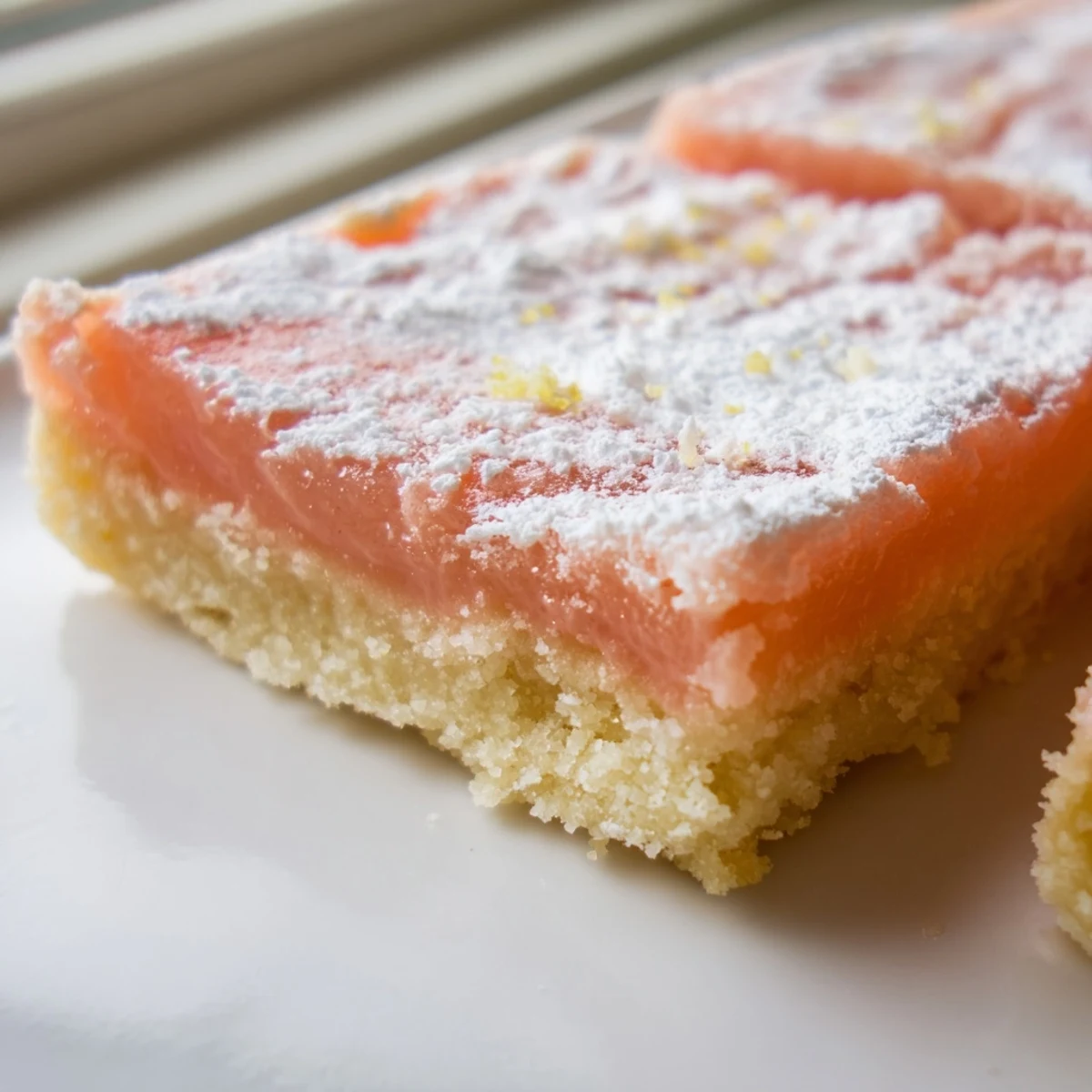
Save These bars became a tradition in our house whenever grapefruit season hits its peak. My husband started requesting them for his birthday instead of cake, and honestly I cannot blame him. There is something about cutting through that powdered sugar dusting to reveal the bright custard underneath that feels like uncovering a secret.
Choosing Your Grapefruit
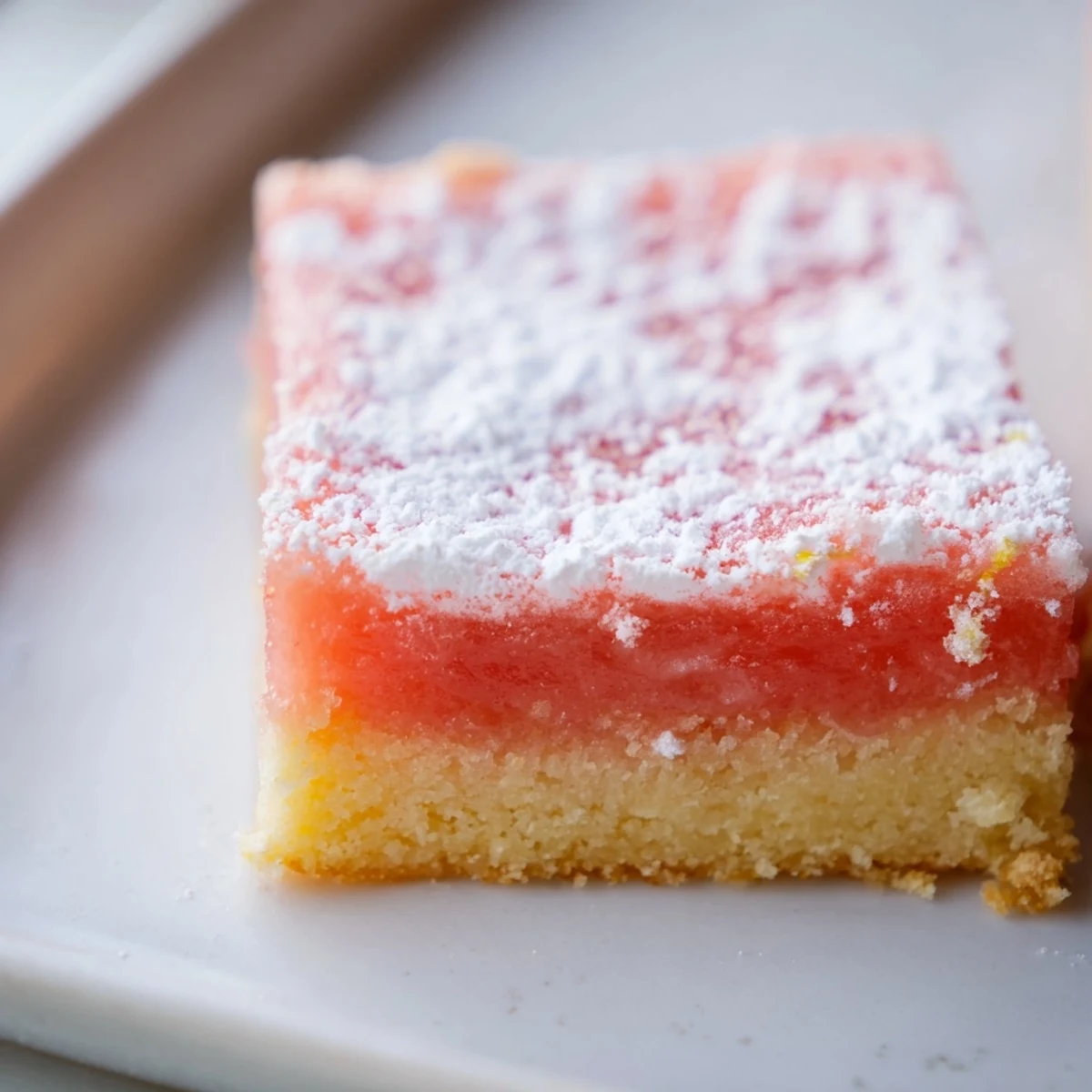
Ruby red and pink grapefruits will give you a beautiful rosy hue, while white grapefruit keeps the custard a soft sunny yellow. Both work wonderfully, but the visual difference might matter depending on the occasion. I have found that the pink varieties tend to be slightly sweeter, which can be nice if you are serving people who are sensitive to bitter flavors.
Making Them Ahead
These bars actually improve after a day in the refrigerator. The flavors meld together and the texture becomes even creamier. I often make them the night before a gathering and let them chill overnight. Just wait to dust them with powdered sugar until right before you serve them, otherwise the sugar will disappear into the custard.
Serving Suggestions
These are delightful on their own but pair beautifully with beverages that complement their brightness. A floral tea like Earl Grey or jasmine brings out the citrus notes wonderfully.
- A sparkling rosé creates a lovely spring dessert course
- Try them with an afternoon espresso for contrast
- They also work well alongside fresh berries for a larger dessert spread
 Save
Save These grapefruit bars have a way of making any afternoon feel a little more special. I hope they bring as much brightness to your kitchen as they have to mine.
Recipe FAQs
- → What type of grapefruit works best?
-
Any fresh grapefruit variety works beautifully. Pink or ruby red grapefruits will give you a lovely pink hue, while white grapefruits produce a more traditional yellow appearance. Choose ripe, juicy fruits for the best flavor.
- → Can I make these ahead of time?
-
Yes, these bars actually improve after chilling. You can prepare them 1-2 days in advance and store them refrigerated in an airtight container. The flavors meld together beautifully overnight.
- → How do I know when the filling is set?
-
The filling is done when the center is just set and no longer jiggles excessively when you gently shake the pan. The edges should be slightly puffy, and a toothpick inserted in the center should come out clean.
- → Can I substitute other citrus fruits?
-
Absolutely. Lemon, lime, or orange juice work well in the same proportions. You can also create unique combinations like half grapefruit and half blood orange for a stunning color variation.
- → Why pour filling over hot crust?
-
Pouring the filling over the hot crust creates a seal that prevents the custard from leaking underneath. This technique ensures you get distinct, clean layers and helps the bottom crust stay crisp rather than soggy.
- → How should I store leftover bars?
-
Store in an airtight container in the refrigerator for up to 4 days. Place parchment paper between layers if stacking to prevent sticking. Bring to room temperature 15-20 minutes before serving for the best texture.