
 Save
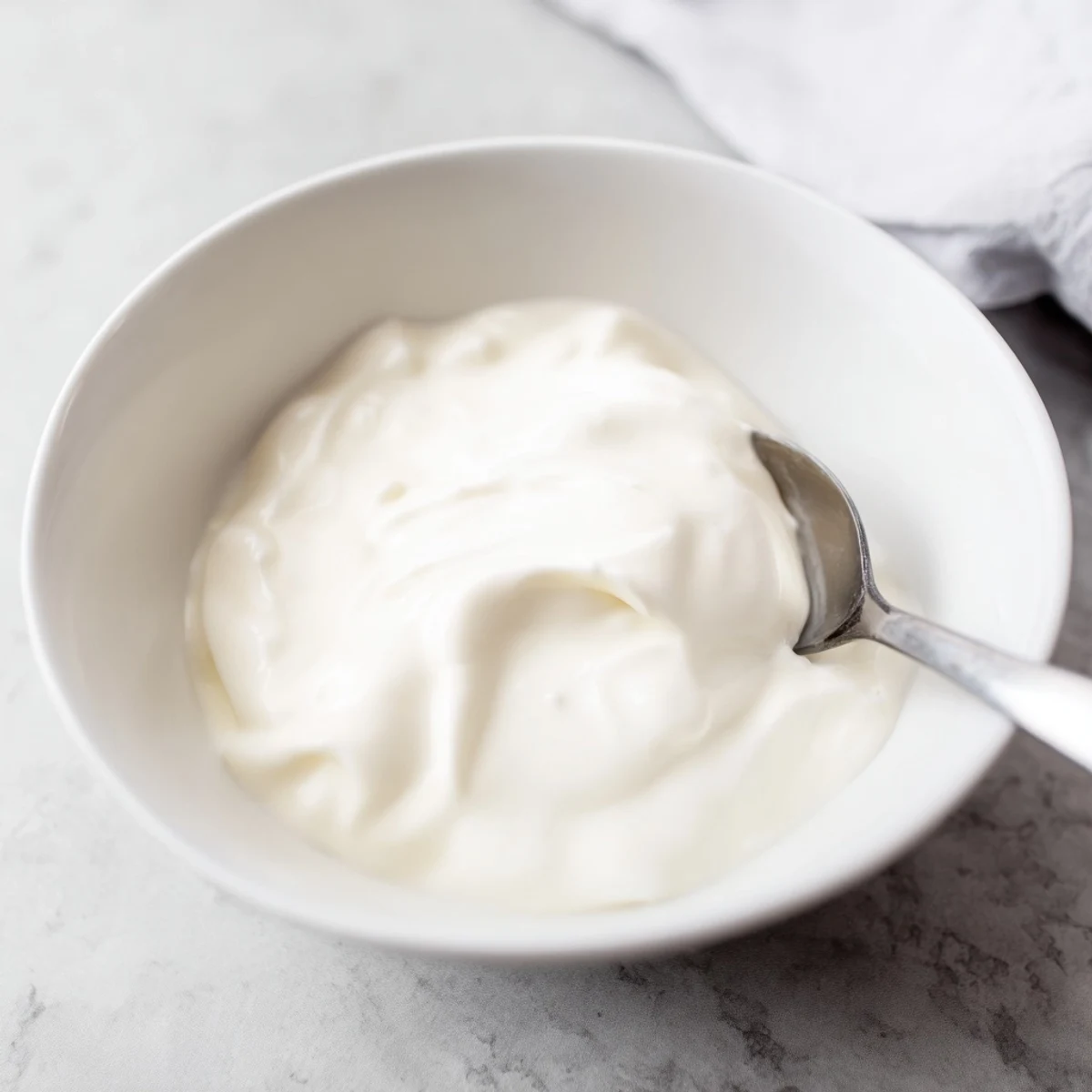
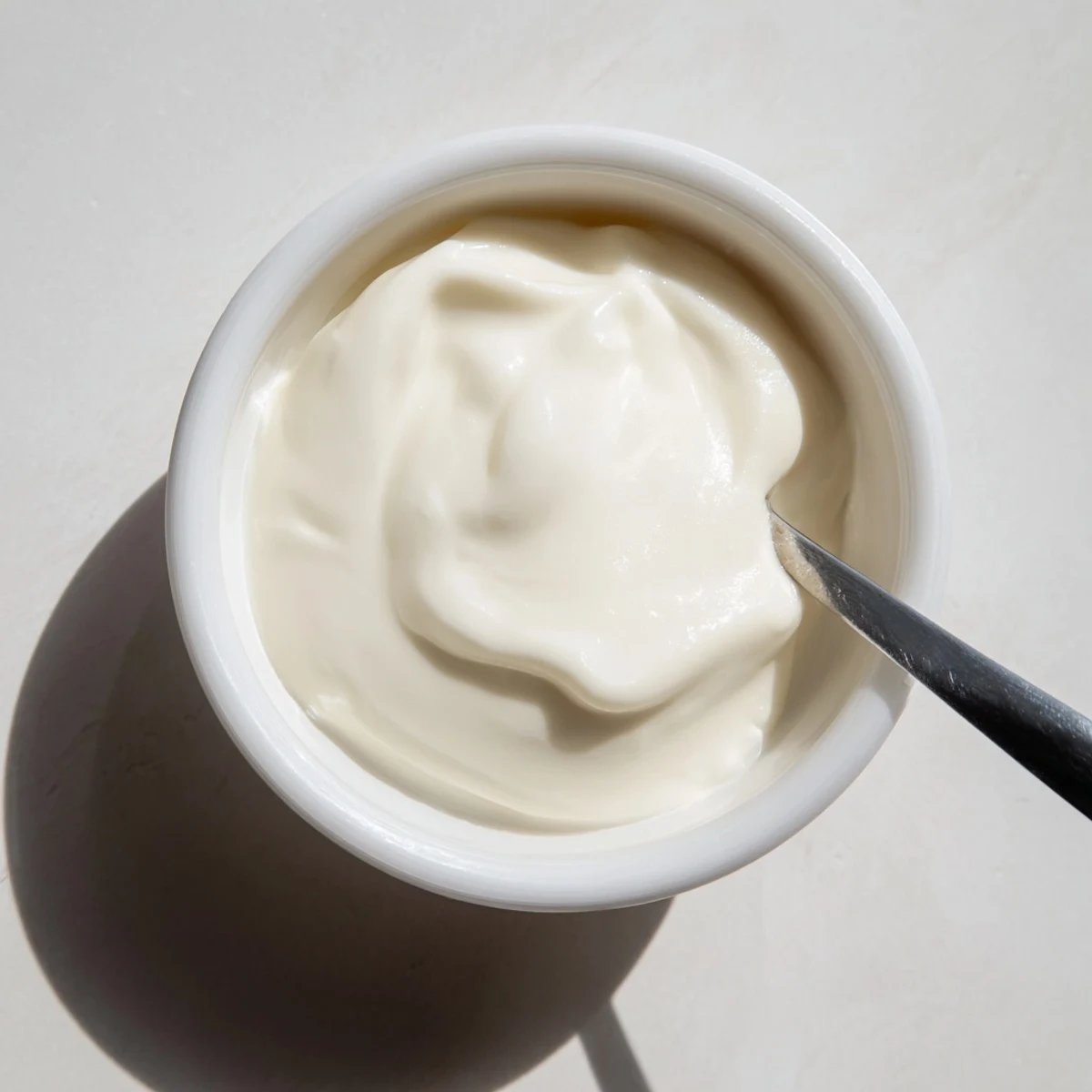
Save Learn to make authentic Greek yogurt in your own kitchen using whole milk and a starter culture. The process involves heating milk to specific temperatures, adding live cultures, and allowing fermentation for 6-8 hours. The key to that signature thick texture lies in straining the finished product through cheesecloth. This method produces approximately 4 cups of velvety, protein-rich yogurt that's naturally gluten-free and vegetarian.
My grandmother kept her yogurt culture alive in a special ceramic jar that she'd wrap in an old wool blanket, tucking it into the warmest corner of her kitchen like a sleeping cat. She claimed the blanket had been with her through three kitchens and two continents, carrying the warmth of countless batches. When I first tried making yogurt without that blanket, using a fancy thermometer instead of trusting my wrist, I learned that some things need both science and a little bit of magic.
Last summer I set up a yogurt making station on my balcony, where the afternoon sun hit just right. My neighbor watched from her balcony garden, fascinated by the process, and now we exchange jars across the railings. There's something deeply grounding about making your own food, a connection to generations of home cooks who understood that patience is the secret ingredient.
Ingredients
- 1 liter whole milk: The fat content creates that luxurious Greek yogurt texture that makes you close your eyes with every spoonful
- 2 tablespoons plain yogurt with live cultures: This is your starter, the microscopic workhorse that transforms milk into yogurt
Instructions
- Heat the milk gently:
- Warm the milk over medium heat until it reaches 82°C, stirring occasionally and watching for those tiny bubbles that signal you're getting close
- Let it cool:
- Remove from heat and wait until the temperature drops to 43°C, testing it on your wrist like you would a baby's bottle
- Make your starter slurry:
- Whisk the 2 tablespoons of yogurt with a small amount of cooled milk until it's completely smooth and dissolved
- Combine everything:
- Pour the starter mixture back into the cooled milk and stir gently, being thorough but not creating unnecessary foam
- Create a warm incubator:
- Pour the mixture into a clean container, cover it, and wrap it in a towel or place it in a yogurt maker to maintain warmth
- Let it work its magic:
- Leave it undisturbed for 6 to 8 hours in a warm spot, resisting the urge to peek and disturb the transformation
- Strain into perfection:
- Line a strainer with cheesecloth, set it over a bowl, pour in the yogurt, and refrigerate for 1 to 2 hours until it reaches your desired thickness
- Store your treasure:
- Transfer the thickened yogurt to a clean container and refrigerate until you're ready to enjoy it
 Save
Save I once made the mistake of using ultra pasteurized milk, wondering why my yogurt never set properly. Now I save a small amount of each batch as starter for the next, creating a continuous thread connecting one bowl of yogurt to the next.
The Magic of Whey
Don't throw away the liquid that drains off during straining, that golden whey is packed with protein and probiotics. I use it in smoothies, pancake batter, or even for soaking oats overnight. The first time I tasted whey fermented overnight with a bit of fruit, I understood why traditional cuisines treasure every part of food.
Getting Creative with Flavor
While plain Greek yogurt is perfect on its own, sometimes you want something more indulgent. I've learned that adding honey or vanilla while the yogurt is still warm creates a flavor that permeates every spoonful, rather than just sitting on top. My daughter loves stirring in homemade fruit compote, watching the swirls of purple and red paint the white yogurt.
Storage and Serving Ideas
Homemade yogurt keeps well in the refrigerator for up to two weeks, though it rarely lasts that long in my house. I like to set out a toppings bar with toasted nuts, fresh berries, and a drizzle of good honey when friends come over for brunch. The ritual of building your perfect bowl becomes part of the morning conversation.
- Save a few tablespoons of each batch as starter for your next one
- Try goat or sheep milk for a tangier, more complex flavor profile
- Use Greek yogurt as a substitute for sour cream in any recipe
 Save
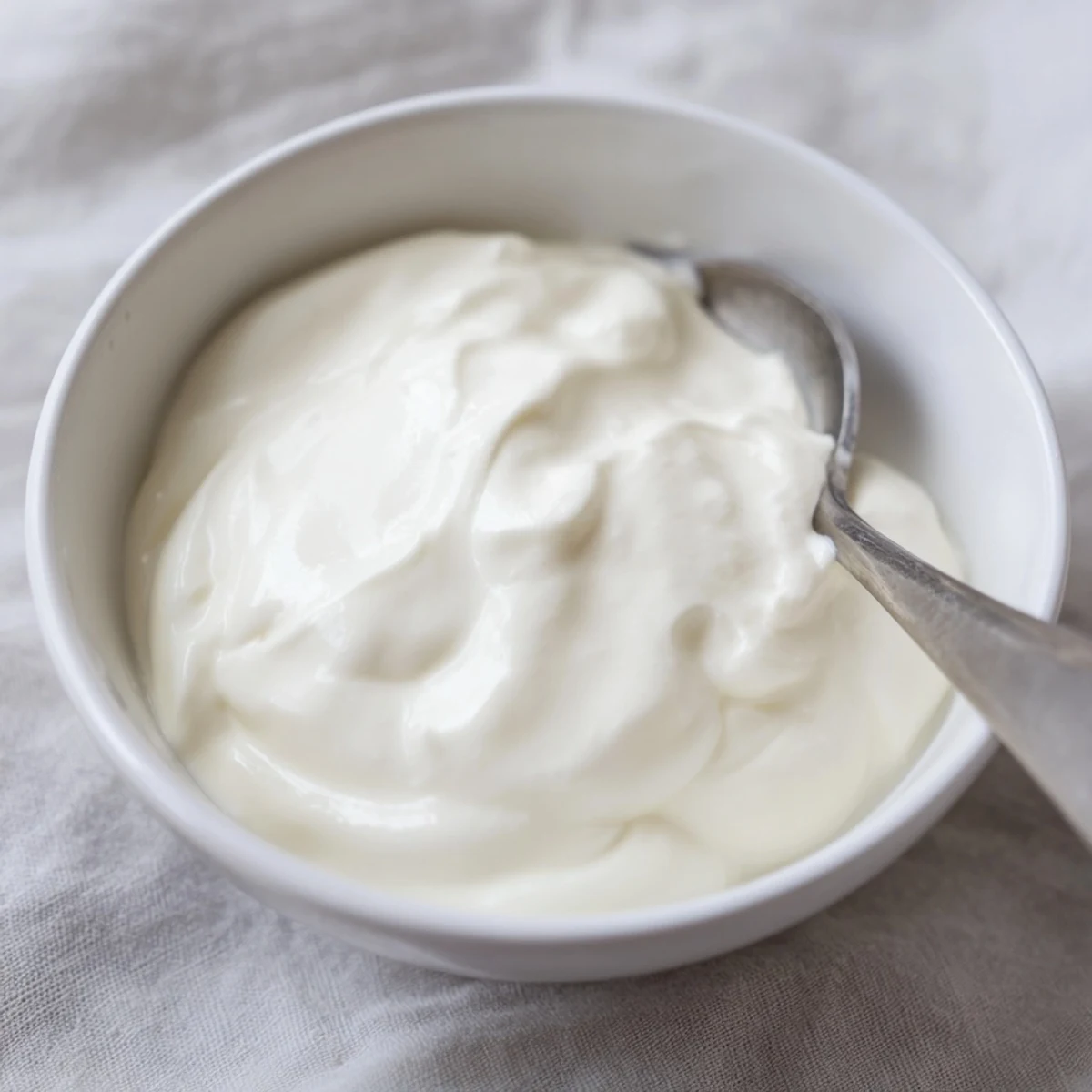
Save There's something profoundly satisfying about making yogurt, a simple process that connects you to food traditions spanning thousands of years. Once you start, you might find yourself hesitating every time you reach for that store bought container.
Recipe FAQs
- → How long does homemade Greek yogurt last?
-
Properly stored in an airtight container, homemade Greek yogurt stays fresh for up to 2 weeks in the refrigerator. Always check for any off smells or changes in texture before consuming.
- → Can I use low-fat milk instead of whole milk?
-
While whole milk produces the creamiest results, you can use low-fat or skim milk. The final texture will be slightly less rich, but the culturing process works equally well with any milk variety.
- → What can I do with the strained whey?
-
Don't discard the whey! Use it in smoothies for added protein, substitute for buttermilk in baking, or add to soups and curries for extra nutrition and tangy flavor.
- → Do I need a yogurt maker?
-
No special equipment is required. A yogurt maker provides consistent temperature, but you can achieve the same results by wrapping your container in towels and placing it in a warm, draft-free spot like an oven with just the light on.
- → Why didn't my yogurt set properly?
-
Several factors affect setting: milk temperature when adding starter must be around 43°C (110°F), too hot kills cultures, too cold won't activate them. Also ensure your starter contains live active cultures and the culturing environment stays consistently warm.