
 Save
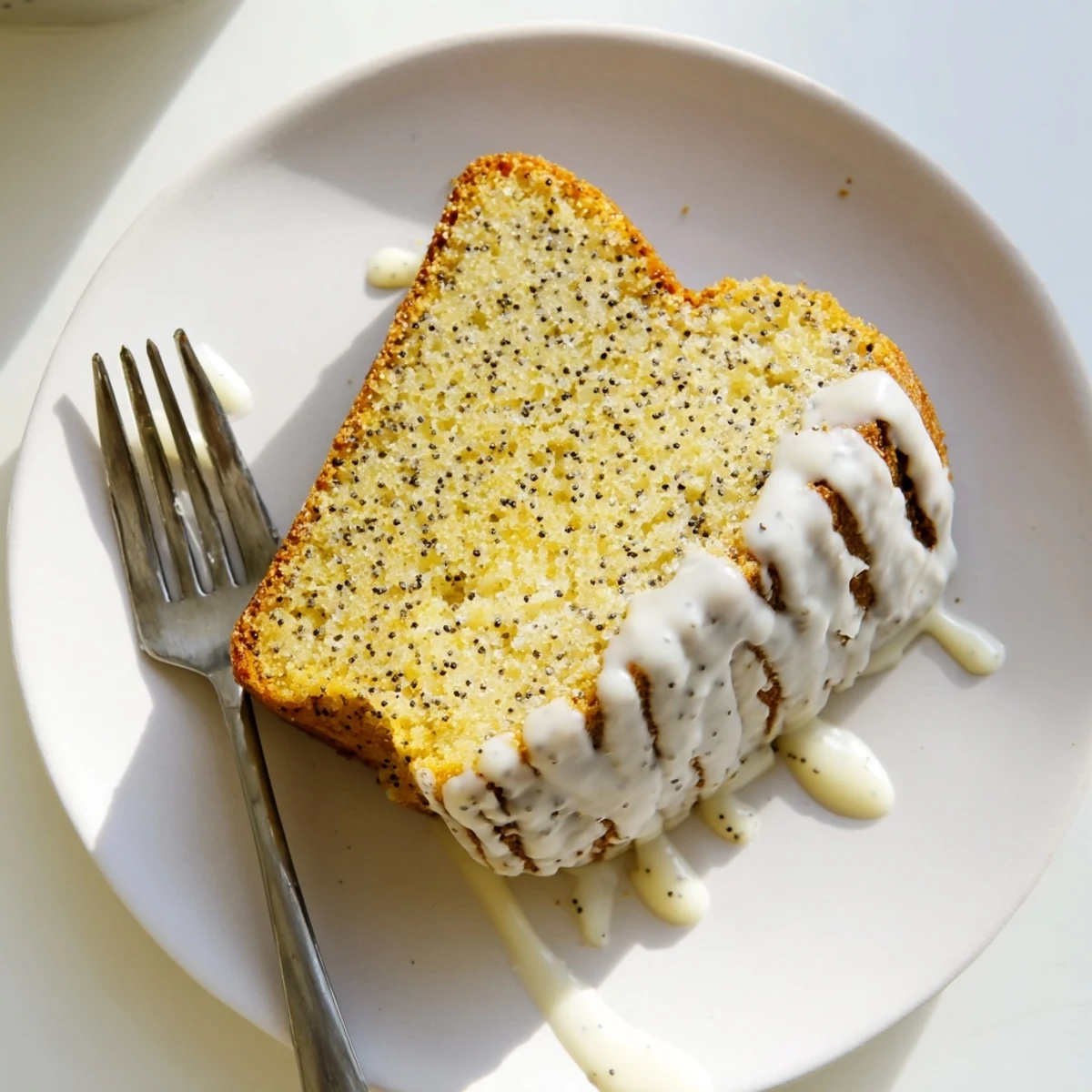
Save This lemon poppy seed cake delivers bright citrus flavor with a tender, moist crumb. The combination of fresh lemon zest and juice creates an intense lemony taste, while poppy seeds add subtle texture throughout each slice. A sweet lemon glaze crowns the finished cake, adding extra sweetness and visual appeal. Perfect for serving with afternoon tea or as a refreshing dessert after a meal.
The kitchen smelled like sunshine that morning. I had three lemons sitting on the counter, their yellow skins almost glowing, and suddenly nothing mattered more than turning them into something cake-shaped and wonderful. My grandmother always said lemons were nature's way of giving us a fresh start, and she was right, they brighten everything they touch, especially a gray Tuesday afternoon when you need it most.
I brought this cake to a book club meeting once, and honestly, nobody talked about the book for at least twenty minutes. There was just this collective happy silence while everyone discovered the little poppy seed surprises in each bite. Someone actually asked if I could make it for her wedding, which I took as the highest compliment possible.
Ingredients
- All-purpose flour: This creates the structure that holds everything together, and measuring it properly makes the difference between a tender crumb and something that feels like a dense brick
- Poppy seeds: Those tiny black specks add this wonderful little crunch and nuttiness that keeps every bite interesting, plus they look so pretty scattered through the yellow cake
- Baking powder and baking soda: These work together to give the cake its lift, and using both ensures it rises beautifully without tasting metallic or bitter
- Salt: Just enough to wake up all the flavors and make that lemon taste even brighter
- Unsalted butter: Room temperature butter is absolutely non-negotiable here, it creates those perfect air pockets when creamed with sugar that make the cake so light
- Granulated sugar: Sweetens everything and helps create that lovely golden crust, but the real magic happens when it creams with the butter
- Eggs: They add richness and structure, and bringing them to room temperature means they will incorporate more evenly into the batter
- Lemon zest: This is where the real lemon power lives, those oils in the zest carry way more flavor than just juice alone ever could
- Fresh lemon juice: Adds that bright acidic kick that cuts through the sweetness and makes the whole cake feel refreshing
- Pure vanilla extract: Just a background note that rounds everything out and makes the lemon taste more complex
- Whole milk: Room temperature milk prevents the batter from seizing up and keeps the texture smooth and velvety
- Powdered sugar: Creates that perfect glaze that drips down the sides and adds just the right amount of extra sweetness
Instructions
- Getting your oven and pan ready:
- Preheat your oven to 350°F and give your Bundt pan or loaf pan a thorough greasing and flouring, getting into all those little corners and crevices so nothing sticks later.
- Whisking the dry ingredients together:
- In a medium bowl, combine the flour, poppy seeds, baking powder, baking soda, and salt, whisking them together until everything is evenly distributed.
- Creaming butter and sugar:
- Beat the softened butter and granulated sugar in your large bowl for about 3 minutes, until the mixture turns pale and fluffy, scraping down the sides once.
- Adding the eggs and flavor:
- Add the eggs one at a time, letting each one fully incorporate before adding the next, then stir in that fragrant lemon zest, juice, and vanilla.
- Combining everything:
- Add the dry ingredients in three portions, alternating with the milk, starting and ending with the flour, and mixing only until just combined.
- Baking to perfection:
- Pour the batter into your prepared pan, smooth the top, and bake for 45 to 50 minutes until a toothpick comes out clean and the kitchen smells incredible.
- Cooling and glazing:
- Let the cake rest in the pan for 15 minutes before turning it out onto a wire rack, then whisk the powdered sugar with enough lemon juice to make it pourable and drizzle it over the cooled cake.
 Save
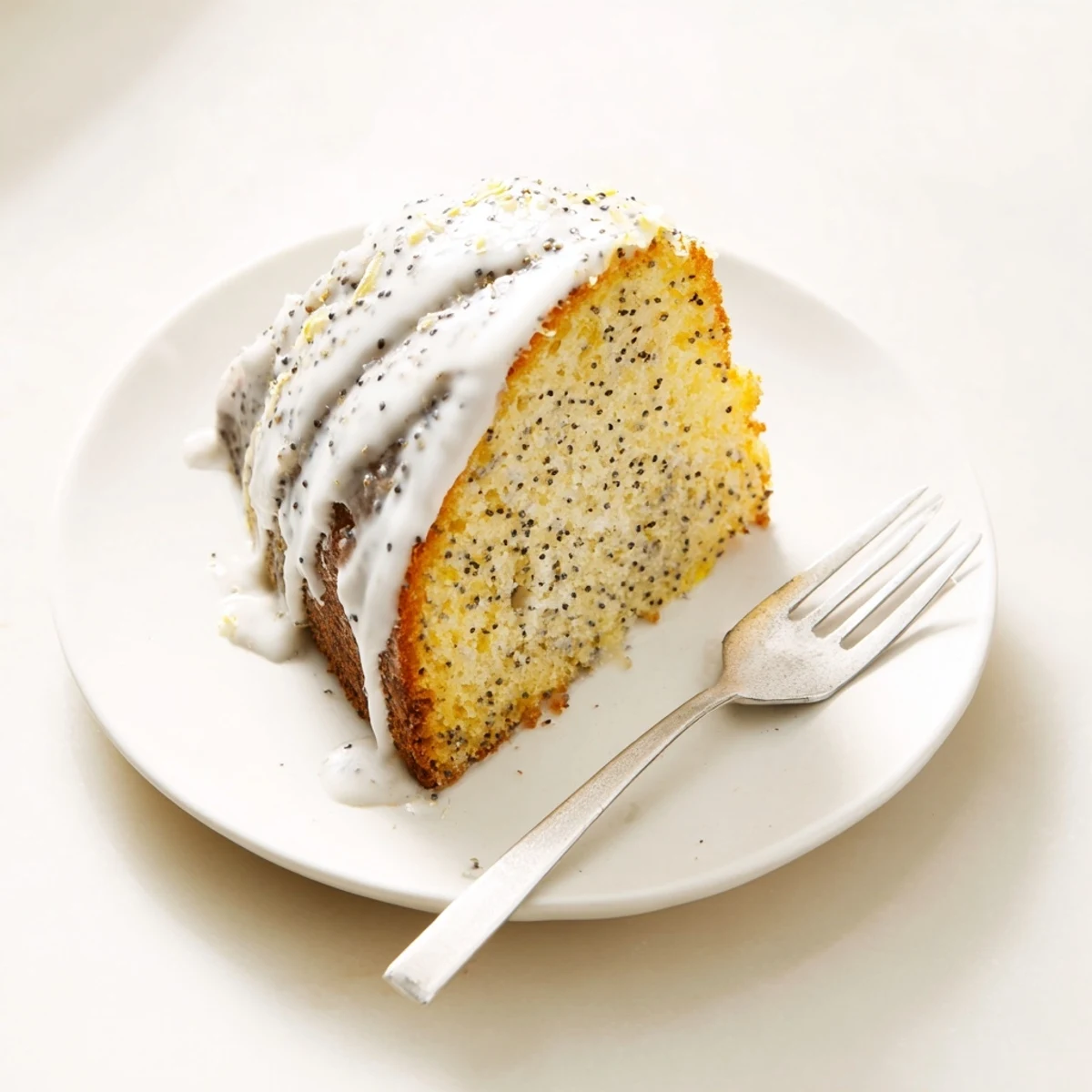
Save This became my go-to birthday cake after my sister requested it three years in a row. Something about the combination of bright lemon and comforting poppy seeds just feels like celebration.
Making It Ahead
You can bake the cake a day ahead and wrap it tightly in plastic once it has cooled completely. The flavors actually develop and become more pronounced overnight, which I discovered accidentally when I baked one the night before a party and everyone commented on how lemony it tasted.
Serving Suggestions
Slice it thin and serve with strong Earl Grey tea, the bergamot notes in the tea mirror the lemon flavor beautifully. I have also served it slightly warmed with a scoop of vanilla ice cream for dessert, and the contrast between the warm cake and cold cream is absolute perfection.
Storage and Freezing
Keep the cake covered at room temperature for up to three days, though in my house it never lasts that long. If you want to freeze it, wrap individual slices in plastic and then foil, they will stay fresh for up to three months.
- Wait to add the glaze until after freezing, otherwise it becomes sticky and absorbs into the cake
- Thaw frozen slices at room temperature for about an hour, or warm them in the microwave for 20 seconds
- The texture stays surprisingly good after freezing, almost as good as freshly baked
 Save
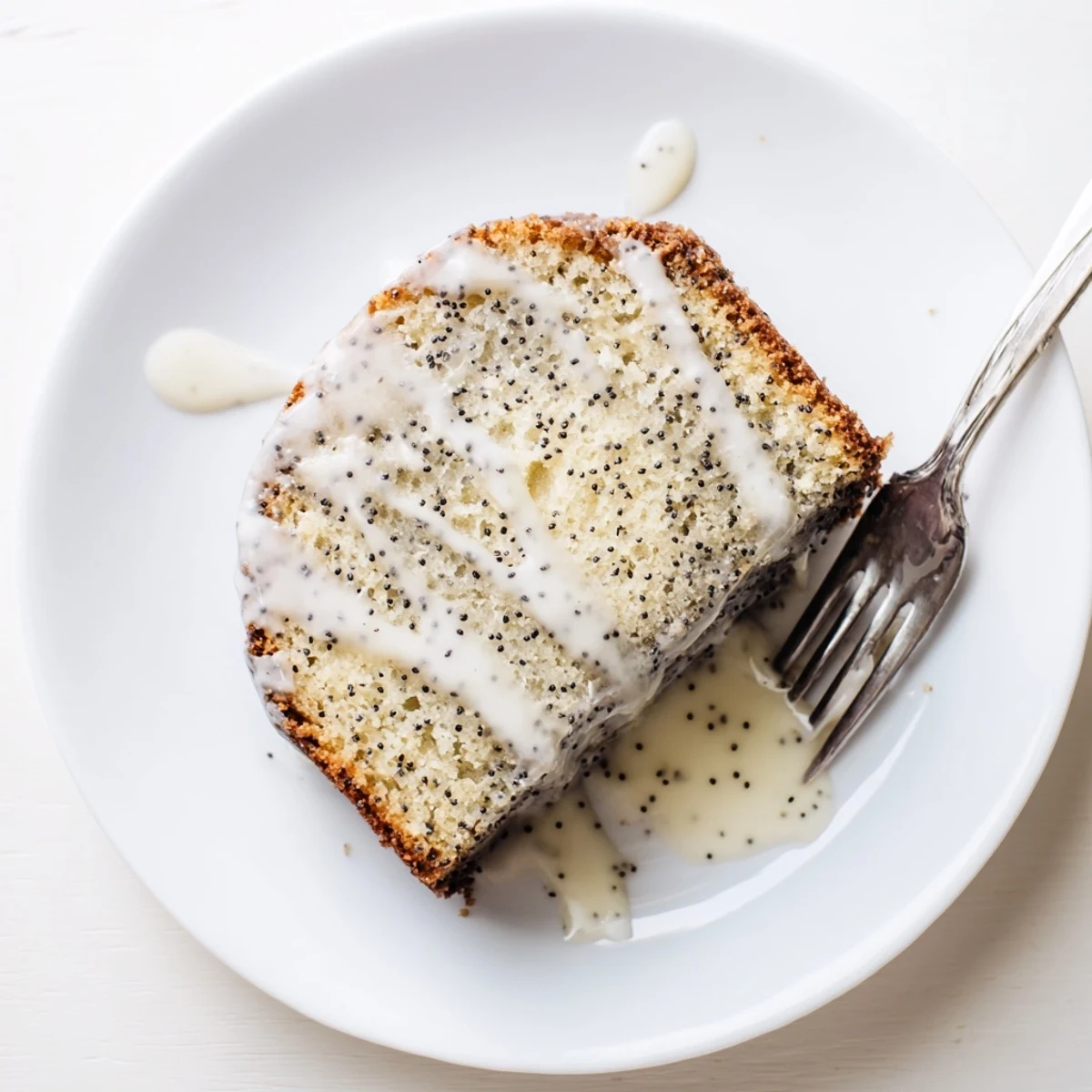
Save Every time I make this cake, I am reminded that simple ingredients treated with care can become something extraordinary. Hope it brings a little sunshine to your kitchen too.
Recipe FAQs
- → How do I know when the cake is done baking?
-
Insert a toothpick into the center of the cake. If it comes out clean or with just a few moist crumbs, the cake is finished baking. This typically takes 45-50 minutes at 350°F.
- → Can I make this cake in advance?
-
Yes, the cake tastes even better the next day as flavors develop. Wrap it tightly in plastic wrap and store at room temperature for up to 3 days. Add the glaze just before serving.
- → What's the best way to zest lemons?
-
Use a microplane or fine zester to remove only the bright yellow outer layer, avoiding the white pith beneath which can taste bitter. One medium lemon typically yields about one tablespoon of zest.
- → Can I substitute the poppy seeds?
-
While poppy seeds provide traditional texture and appearance, you could substitute with chia seeds or simply omit them. The cake will still be delicious without them, though the characteristic crunch will be missing.
- → Why is my cake dense?
-
Overmixing the batter can develop too much gluten, resulting in a dense texture. Mix only until ingredients are just combined. Also ensure your ingredients are at room temperature before beginning.