
 Save
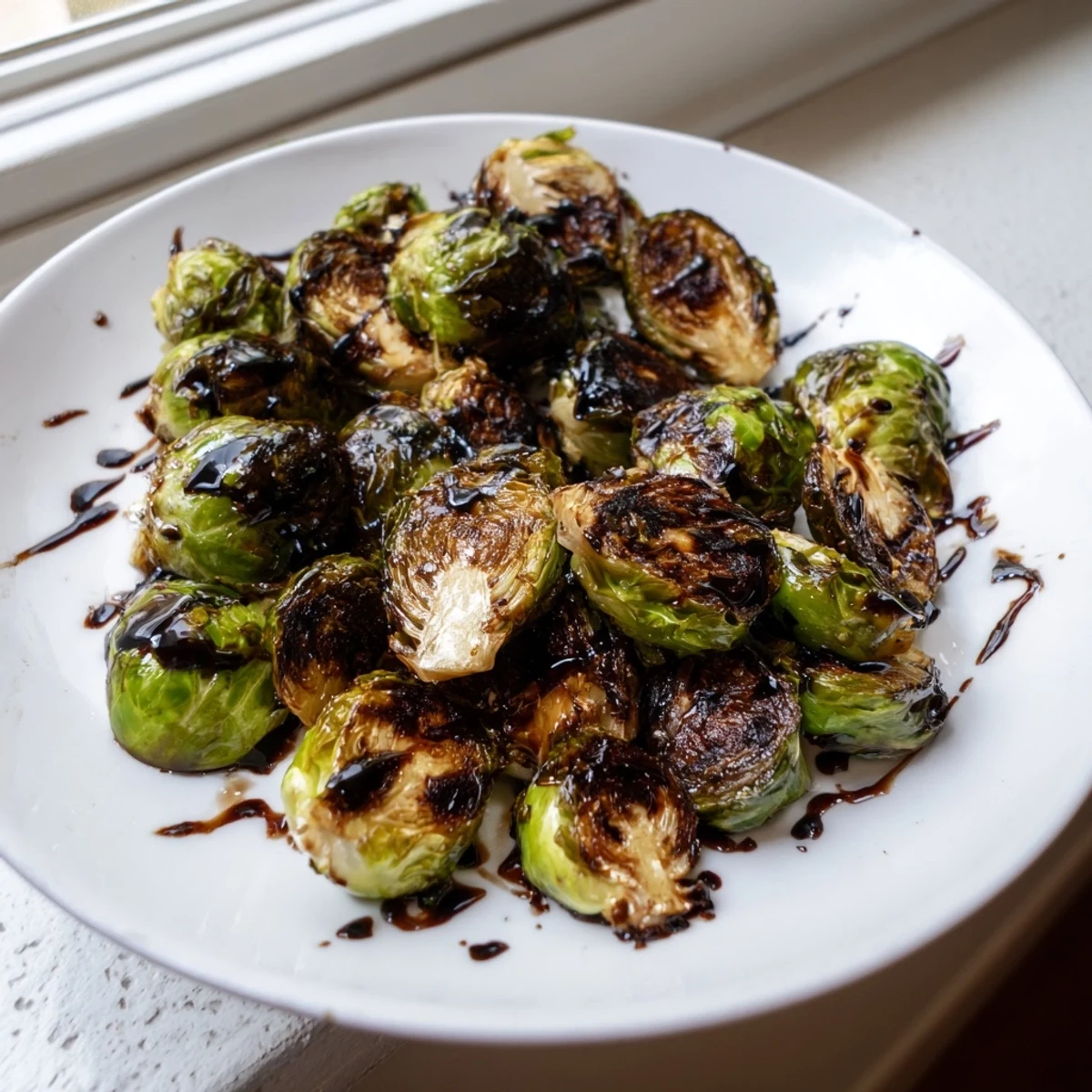
Save These Brussels sprouts are trimmed and halved, then coated in olive oil, salt, and pepper before roasting to a crispy, golden finish. A balsamic glaze made from reduced balsamic vinegar and honey adds a tangy-sweet contrast, enhancing the sprouts’ natural caramelization. This easy side complements a variety of main dishes and can be customized with nuts or Parmesan for extra flavor. Ideal for vegetarian and gluten-free diets.
There's a particular moment in late autumn when I first realized Brussels sprouts didn't have to taste like the mushy, sulfurous things from school cafeterias. A friend brought a roasted version to a potluck, and I watched people actually reach for seconds—something I'd never seen happen with any vegetable before. The crispy edges, the caramelized sweetness, the way the balsamic glaze caught the light on the platter: it completely changed my understanding of what this humble vegetable could be.
I made this for a family dinner last winter, and my usually quiet dad asked for the recipe—which never happens. He said it tasted like something a restaurant would serve, and I realized it's because the roasting process does something almost magical to the Brussels sprouts, turning them into something far richer than their raw form. That one moment made me understand why this dish keeps appearing on my table whenever we're cooking for people who matter.
Ingredients
- Brussels sprouts: Buy them firm and bright green; the smaller ones roast more evenly than the giants, and they're less likely to burn on the outside before the inside cooks through.
- Olive oil: Don't overthink this—a good everyday olive oil works perfectly, and it's the vehicle that lets the Maillard reaction happen on those cut surfaces.
- Kosher salt and black pepper: These seem simple, but they're what wake up the natural sweetness lurking in the sprouts; freshly ground pepper makes a noticeable difference.
- Balsamic vinegar: The vinegar is the whole point of this dish, so grab something that tastes good on its own, not a cheap imitation—your palate will know the difference.
- Honey or maple syrup: This balances the vinegar's sharp edge and creates the glaze's syrupy texture; either works, but maple syrup edges toward earthier.
Instructions
- Get your oven hot and prep your pan:
- Preheat to 425°F and line a baking sheet with parchment paper so cleanup is a breeze and nothing sticks. This temperature is the sweet spot—hot enough to develop that caramelization but not so hot that the outsides burn before the centers soften.
- Coat the sprouts evenly:
- In a bowl, toss your halved Brussels sprouts with olive oil, salt, and pepper until every surface glistens. The oil is crucial because it's what creates that crispy, golden exterior that makes this dish so irresistible.
- Arrange them cut side down:
- Spread them on the sheet with the flat cut side facing the hot pan—that's where the magic happens. Don't crowd them; they need room to breathe and brown, not steam.
- Roast and stir halfway through:
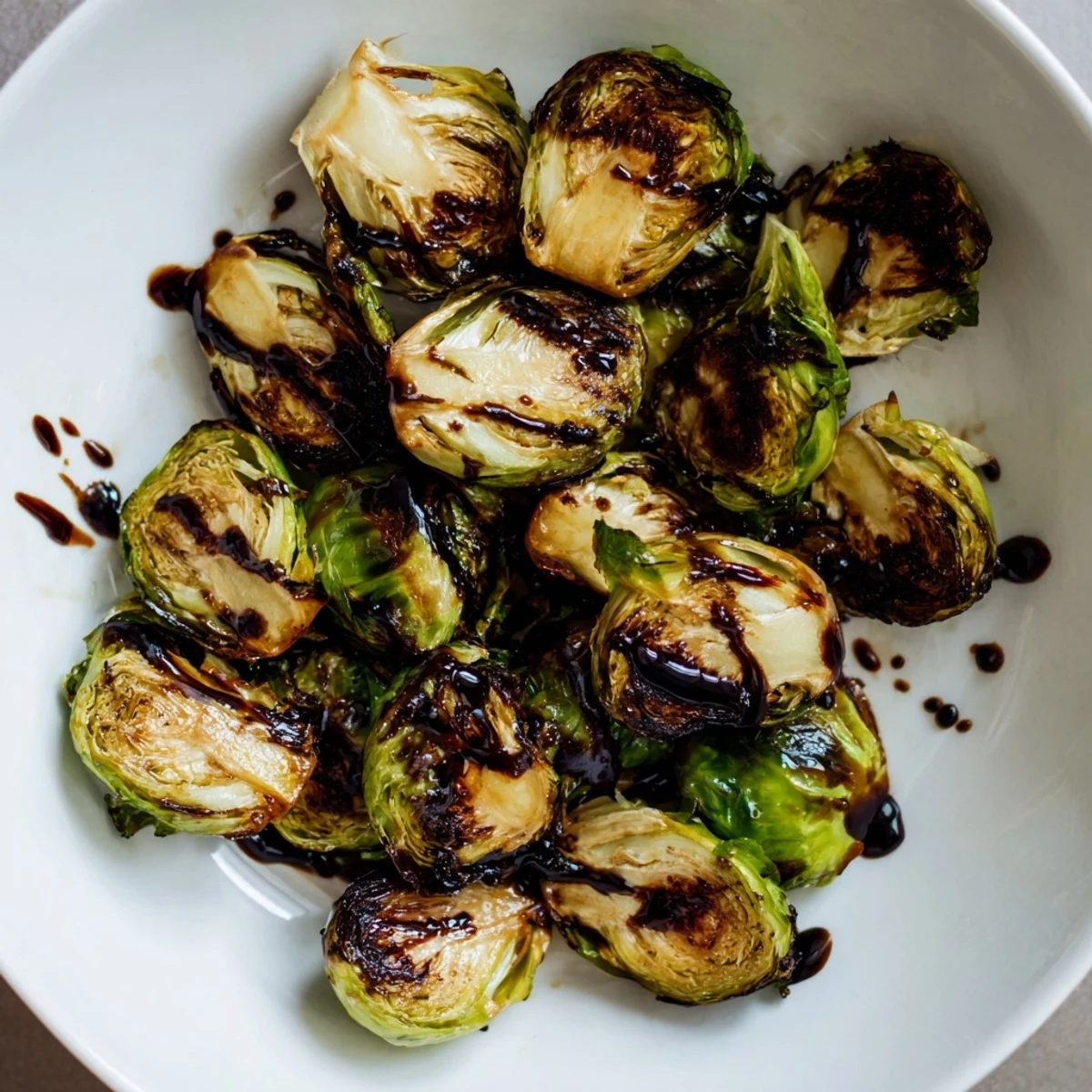
- Pop them in for 20–25 minutes, give them a stir about halfway through, and listen for the sizzle. When the edges are golden brown and crispy and a fork slides through the middle easily, they're done.
- Reduce the balsamic while the sprouts cook:
- In a small saucepan, combine balsamic vinegar and honey over medium heat and let it bubble gently for 7–10 minutes, stirring now and then. You'll notice it thickening as the water evaporates, and the kitchen will smell incredible—that's how you know it's working.
- Finish and serve:
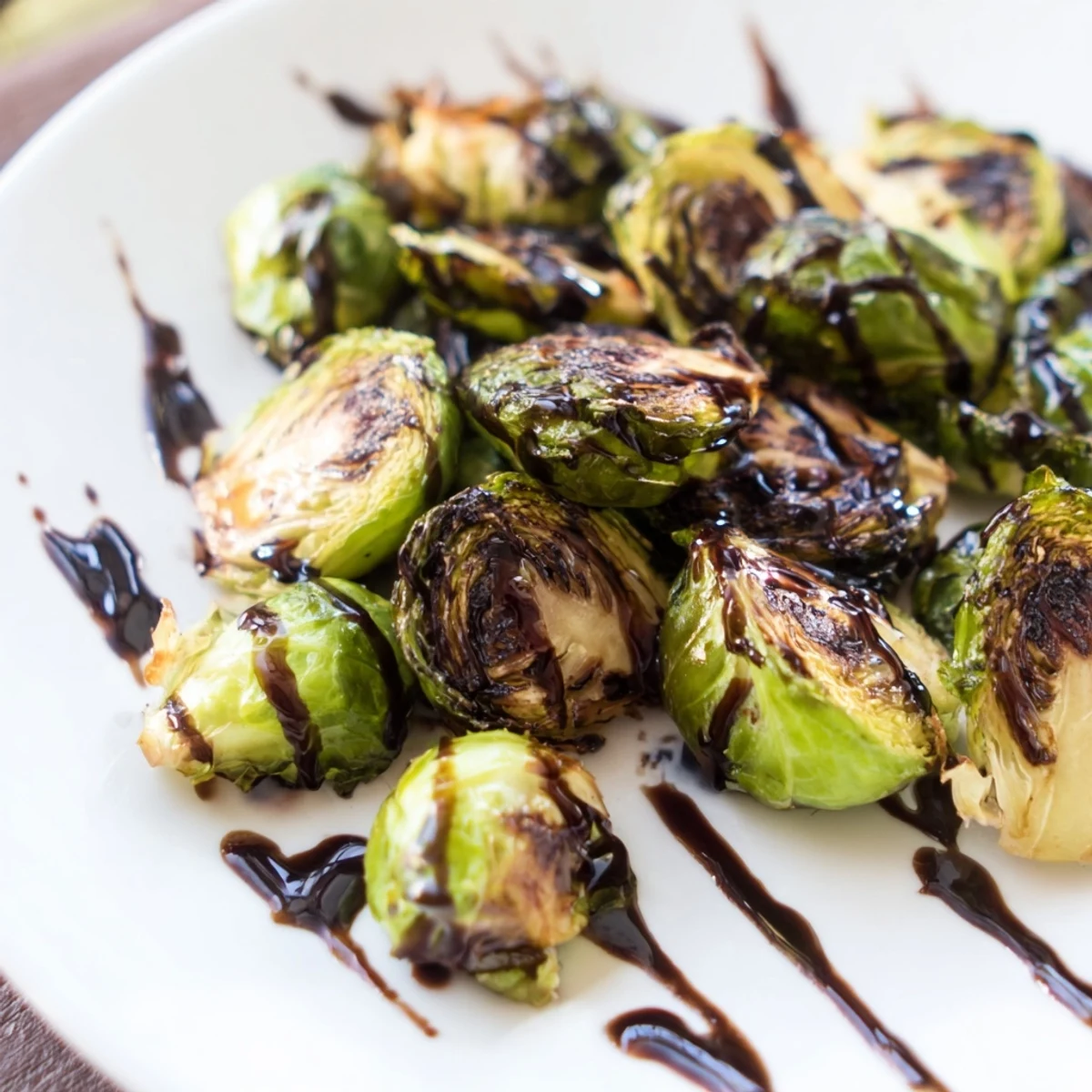
- Transfer the roasted sprouts to a platter and drizzle the glaze over them just before serving so it clings to the hot vegetables. The contrast between the crispy sprouts and the glossy, syrupy glaze is what people will remember.
 Save
Save The first time I served this to someone who'd grown up convinced they hated vegetables, I watched them go quiet mid-conversation as they chewed. That pause, that moment of surprise—it reminded me that cooking isn't really about following instructions. It's about understanding what transforms an ingredient, and then sharing that transformation with the people you care about.
Why the High Heat Matters
425°F might seem aggressive, but that temperature is what coaxes the Brussels sprouts into caramelization rather than just roasting them pale and soft. The Maillard reaction—that browning process—creates hundreds of complex flavors that don't exist in raw or gently cooked vegetables. I learned this the hard way by trying 375°F first and ending up with limp, forgettable sprouts.
The Balsamic Glaze is Everything
The reduction step is non-negotiable because it concentrates the vinegar's flavor and turns it from thin and sour into thick and balanced. When you reduce it, you're also burning off the sharp, astringent edge that raw balsamic has, leaving behind this deep, sweet-tart richness that clings to every bite. The honey doesn't just sweeten—it acts as an emulsifier that makes the glaze coat the sprouts instead of running off the plate.
Making It Your Own
This recipe is a foundation, and once you've made it once, you'll understand the formula well enough to play with it. I've added crispy pancetta, toasted walnuts, shaved Parmesan, a pinch of red pepper flakes—each variation told a different story depending on what was in my pantry or what mood the meal called for.
- For richness, toss the finished sprouts with grated Parmesan or crumbled blue cheese while they're still warm so it melts into the crevices.
- If you want texture, sprinkle toasted nuts or breadcrumbs over top just before serving to add crunch.
- A tiny pinch of red pepper flakes or cayenne against the balsamic's sweetness is a revelation if you like heat.
 Save
Save This is one of those dishes that's simple enough to throw together on a Tuesday night but elegant enough to serve when people are coming over. It's proof that the best cooking doesn't require complicated techniques or rare ingredients—just understanding how heat and time transform what's already in front of you.
Recipe FAQs
- → How do I achieve crispy Brussels sprouts?
-
Trim and halve the sprouts, coat them generously in olive oil, and roast at a high temperature (425°F) to caramelize the edges and crisp the exterior.
- → What is the purpose of balsamic glaze?
-
The balsamic glaze adds a tangy-sweet finish that balances the earthy flavor of the Brussels sprouts and enhances their natural caramelization.
- → Can I substitute honey in the balsamic glaze?
-
Yes, maple syrup works well as a vegan alternative, maintaining sweetness while complementing the vinegar’s acidity.
- → How long should the balsamic glaze be reduced?
-
Simmer the balsamic vinegar and sweetener for 7 to 10 minutes until it reduces by half and becomes syrupy.
- → What are good additions to elevate this dish?
-
Sprinkling toasted nuts or grated Parmesan before serving adds texture and richness, complementing the sprouts and glaze.