
 Save
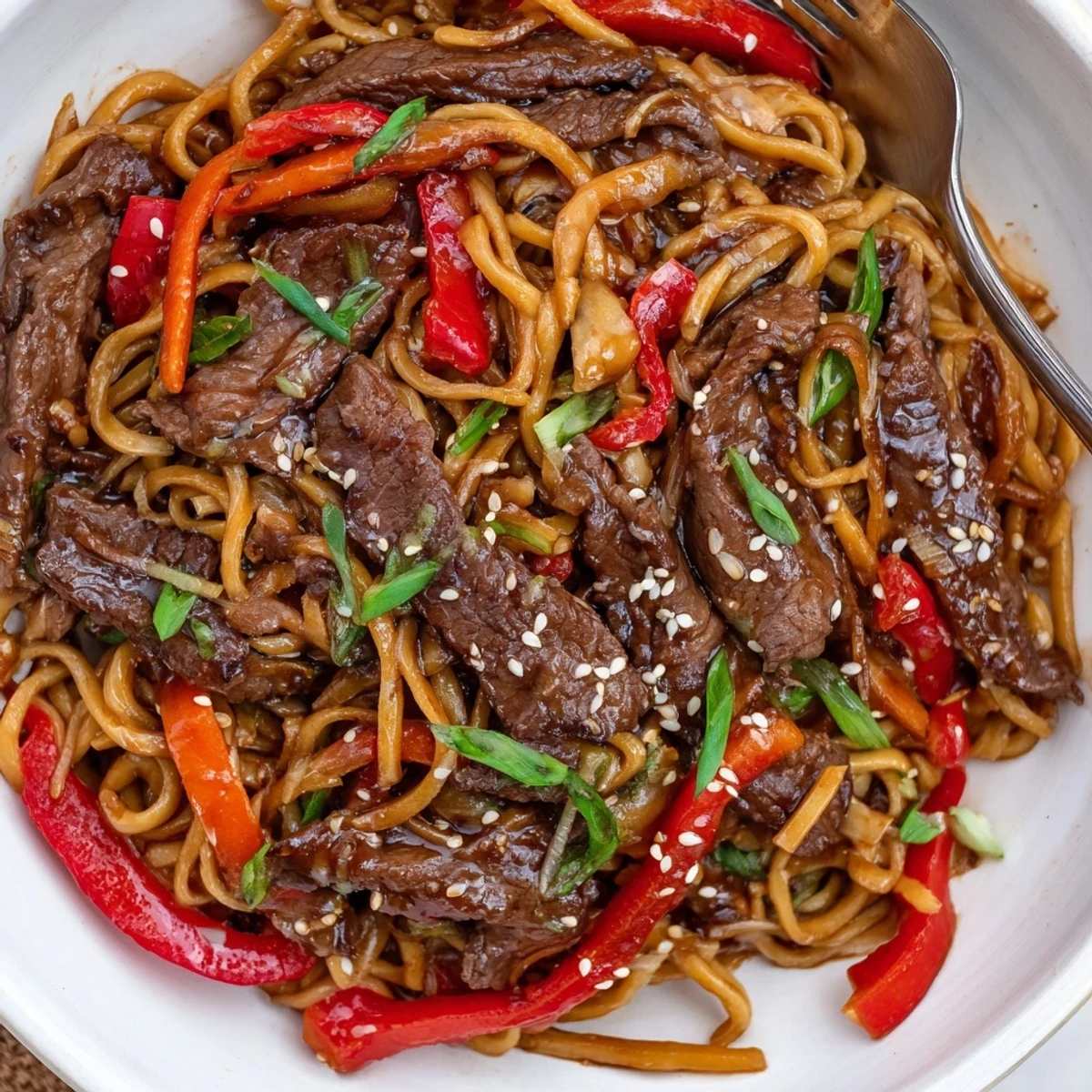
Save Marinated beef slices are seared over high heat to develop a caramelized crust while staying tender; cornstarch in the marinade gives a silky coating. Cook noodles until just tender, then return beef to the wok and add a hoisin–dark soy–oyster glaze balanced with honey and a splash of water. Toss briefly so the sauce reduces and clings to the strands, yielding glossy, sticky noodles. Stir-fry garlic, ginger and vegetables quickly for crunch, finish with toasted sesame and fresh herbs. Swap in tofu or rice noodles for dietary needs and serve immediately.
As soon as the sizzle of beef hits my favorite old wok, I know something delicious is coming together. Sticky Beef Noodles have a way of drawing everyone into the kitchen—whether it's the sweet tang drifting in the air or the rush to claim the first bowl. I started making this dish out of pure curiosity, eager to capture the flavors of my favorite late-night noodle bar at home. It quickly became the answer to 'what’s for dinner?' on even my busiest evenings.
One stormy Tuesday, my roommate and I huddled in for dinner, laughing about work while slurping noodles straight from the pan. The sound of rain drumming outside made the glossy beef and steaming noodles all the cozier. For both of us, that meal felt like a tiny celebration in the middle of an ordinary week.
Ingredients
- Beef sirloin or flank steak: Slicing it thinly across the grain makes it so tender and quick to cook—freeze for 20 minutes to make thin slices easier.
- Soy sauce: Adds depth and saltiness and doubles as the marinade base—look for low sodium if you prefer.
- Cornstarch: Helps the marinade stick and keeps the beef super tender during the stir-fry.
- Sesame oil: Just a little brings real warmth and nuttiness; don't skip it.
- Freshly ground black pepper: Gives a subtle backbone to the marinade—grind fresh if you can for best flavor.
- Egg noodles: Their chewiness is essential, but rice noodles are a worthy gluten-free swap.
- Red bell pepper: Sweet and colorful, it always brightens the pan and keeps things crisp.
- Carrot: Julienne them for maximum crunch—they blend beautifully with the noodles.
- Spring onions: Sliced into larger pieces, they bring a gentle bite and pop of green.
- Garlic: Freshly minced, it's the secret to that classic stir-fry aroma.
- Ginger: Finely grated, it wakes up the sauce—if you love more zing, sneak in extra.
- Hoisin sauce: Its sticky-sweet flavor makes the sauce unforgettable—taste before adding, as brands vary.
- Dark soy sauce: Provides color and extra richness—regular soy sauce works but won't be as robust.
- Oyster sauce: Deepens the umami; try a mushroom version if vegetarian.
- Honey: The finishing sweetness that balances all the savory notes—swap maple syrup if needed.
- Water: Just enough to keep things saucy and help everything meld.
- Toasted sesame seeds: Sprinkle on top for a final nutty crunch—toast them in a dry pan if you're starting from raw.
- Fresh coriander or scallions: Herbaceous, sharp, and totally optional, they freshen up every bite at the end.
Instructions
- Marinate the beef:
- Toss your thinly sliced beef in soy sauce, cornstarch, sesame oil, and pepper until every piece glistens. Let it sit for ten minutes—the aroma starts to hint at what's to come.
- Cook the noodles:
- Boil your noodles according to their package, just until they bounce when prodded with tongs. Drain well and shake them loose, so they don't clump.
- Mix the sticky sauce:
- Whisk hoisin, dark soy, oyster sauce, honey, and water in a little bowl; the color should be deep and glossy. Give it a taste and adjust the honey if you want it sweeter.
- Sear the beef:
- Crank up the heat on your wok until it just starts to smoke, splash in some oil, and quickly brown the beef in batches—it goes fast, just a minute or so, then scoop it out.
- Sauté the aromatics:
- Add another drizzle of oil if needed, then toss in garlic and ginger—let them sizzle until fragrant. Tip in your bell pepper, carrot, and spring onions, and stir-fry until just tender but still vibrant.
- Return the beef and add the sauce:
- Slide the beef back in, then pour over the sticky sauce. Stir everything so the sauce thickens and coats every bit of beef and veg.
- Noodle toss:
- Add the noodles right in, using tongs to tumble everything together over high heat until the noodles are glossy and every bite looks delicious.
- Finish and serve:
- Scoop into bowls, then scatter toasted sesame seeds and fresh herbs on top before devouring right away.
 Save
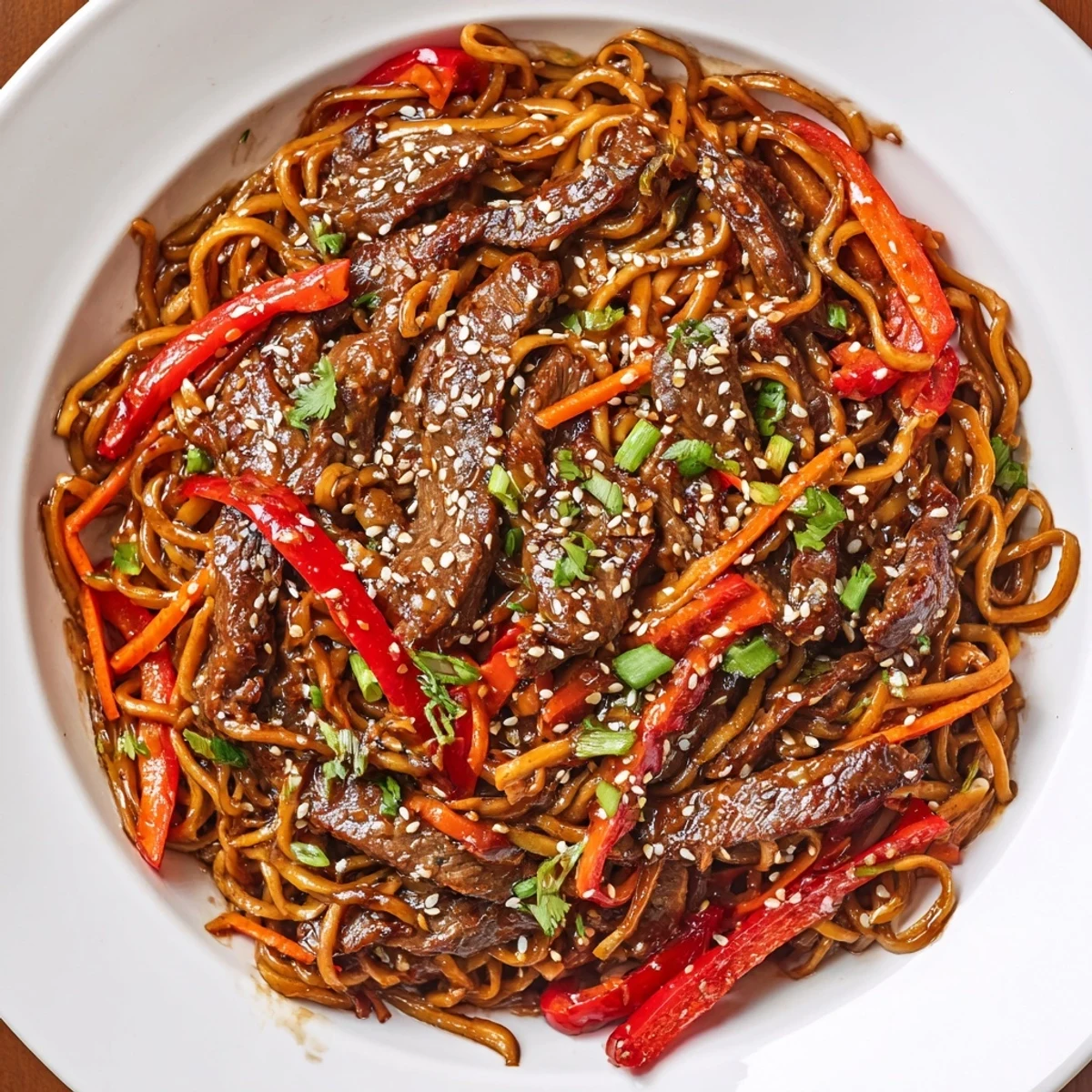
Save I’ll never forget setting this dish down in front of my friends one chilly evening—the conversation paused as everyone took their first bite. For a moment, the only sound was the clink of chopsticks and satisfied hums of approval, sealing the meal’s place in our regular dinner lineup.
Clever Swaps for Every Meal
Out of steak? Chicken thighs or pressed tofu absorb the sticky sauce just as well and offer their own spin. Rice noodles jump in for egg noodles when gluten-free friends come for dinner, and I always have a stash of frozen veggies to add if the fridge looks sparse.
How to Make It Saucy and Sticky Every Time
The sauce thickens beautifully if you let it bubble for a minute before tossing the noodles in. Don’t be afraid to double the sauce if you like things extra sticky—leftovers reheat surprisingly well, and even cold, the flavors are bold.
Serving Up Extra Flavor
Finish with a squeeze of lime if you like things bright, or sprinkle on chili flakes for a hit of heat. These noodles love company, so serve them with extra steamed veggies or a crisp cucumber salad.
- Always slice beef thinly against the grain for tenderness.
- Use day-old noodles to prevent sticking, if you have them on hand.
- Garnish right before serving so herbs stay fresh and vibrant.
 Save
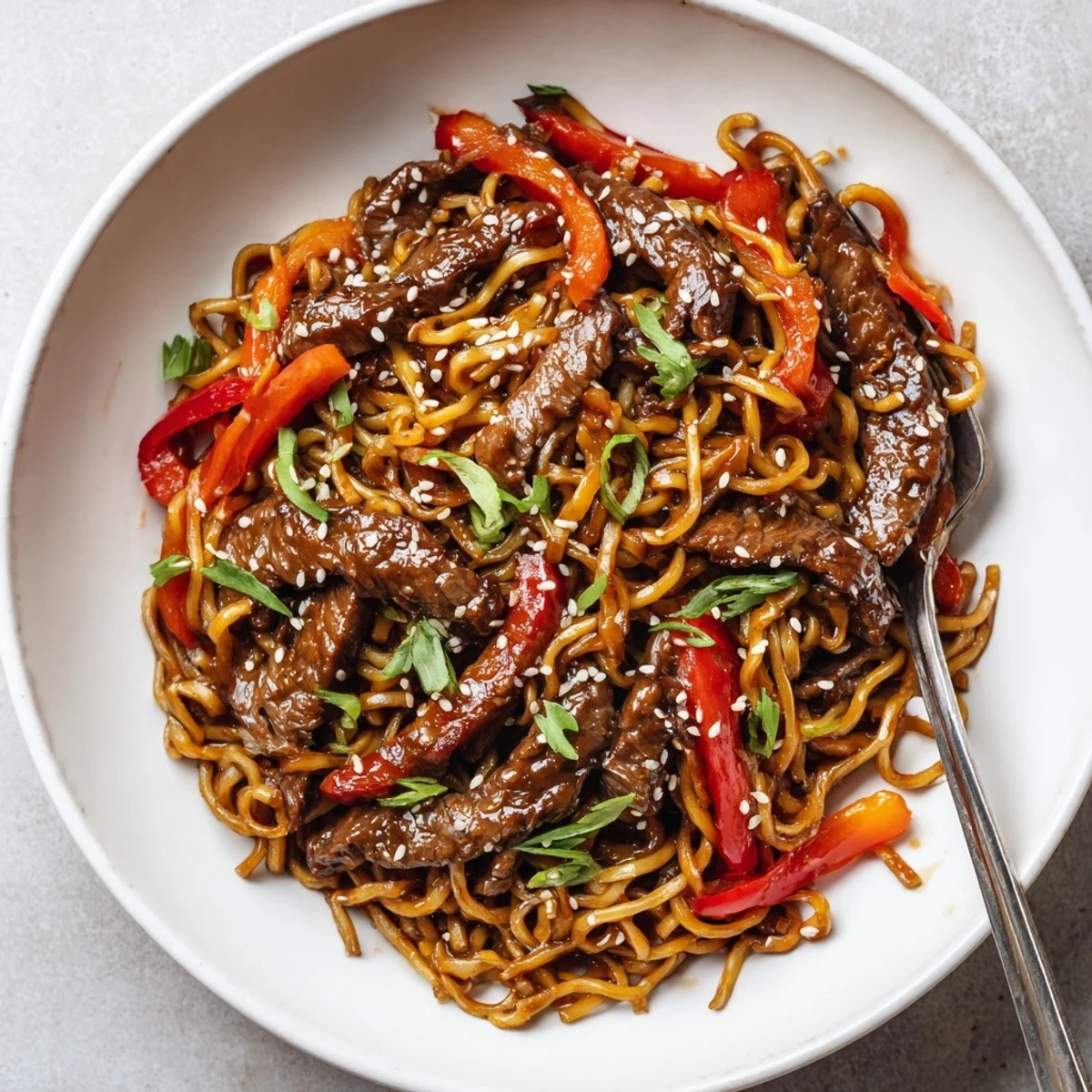
Save Sometimes the simplest stir-fries can turn an ordinary night into something worth remembering. Share these noodles with good company, and they just might become part of your own kitchen stories.
Recipe FAQs
- → How long should the beef marinate?
-
About 10 minutes is sufficient for thinly sliced sirloin or flank to pick up flavor and benefit from the cornstarch slurry. For deeper flavor, marinate up to 30 minutes, but avoid much longer to prevent texture change.
- → Which noodles work best?
-
Fresh egg noodles give a chewy, springy texture and hold the glaze well. Dried egg noodles are fine if properly rehydrated; use rice noodles for a gluten-free option and shorten cooking time accordingly.
- → How do I get a glossy, sticky sauce that clings to the noodles?
-
Use the hoisin-dark soy-oyster-honey mix and reduce it briefly over high heat after adding to the pan. The cornstarch in the beef marinade and a small cornstarch slurry (if needed) will help the sauce thicken and achieve a glossy sheen.
- → Can I substitute the beef with another protein?
-
Yes—thinly sliced chicken breast or thigh cooks quickly and works well. Firm tofu can be pressed, cubed and pan-fried for a vegetarian-friendly swap; adjust cook times so the protein is properly seared without overcooking.
- → How can I keep the vegetables crisp?
-
Cut vegetables into uniform, thin pieces and stir-fry over high heat for just 2–3 minutes. Add sturdier veg first and softer items like spring onions at the end to preserve bright color and crunch.
- → What’s the best way to reheat leftovers?
-
Reheat gently in a hot wok or skillet with a splash of water or broth to loosen the sauce and prevent drying. Heat quickly over medium-high, tossing constantly until warmed through; consume within 48 hours for best texture.