
 Save
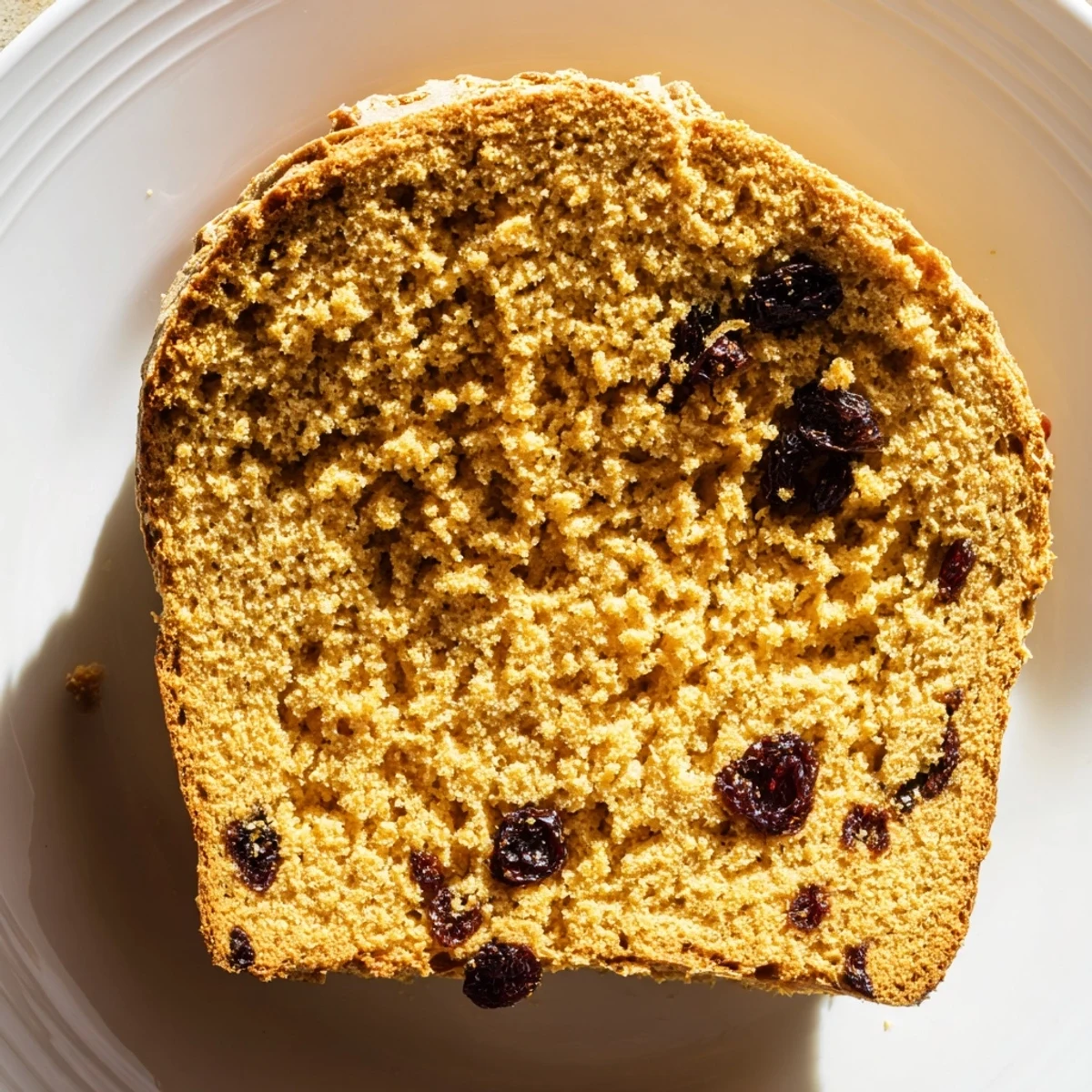
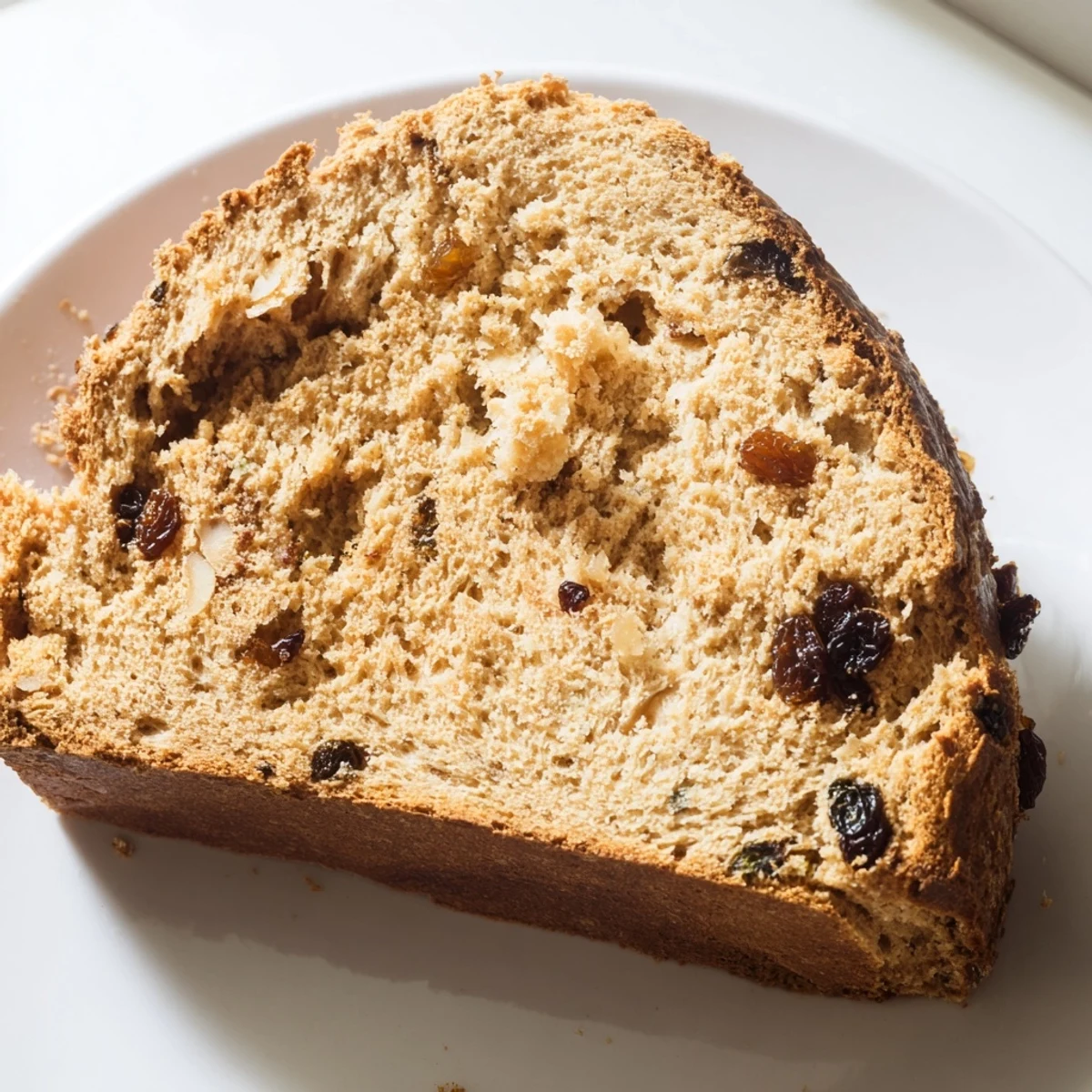
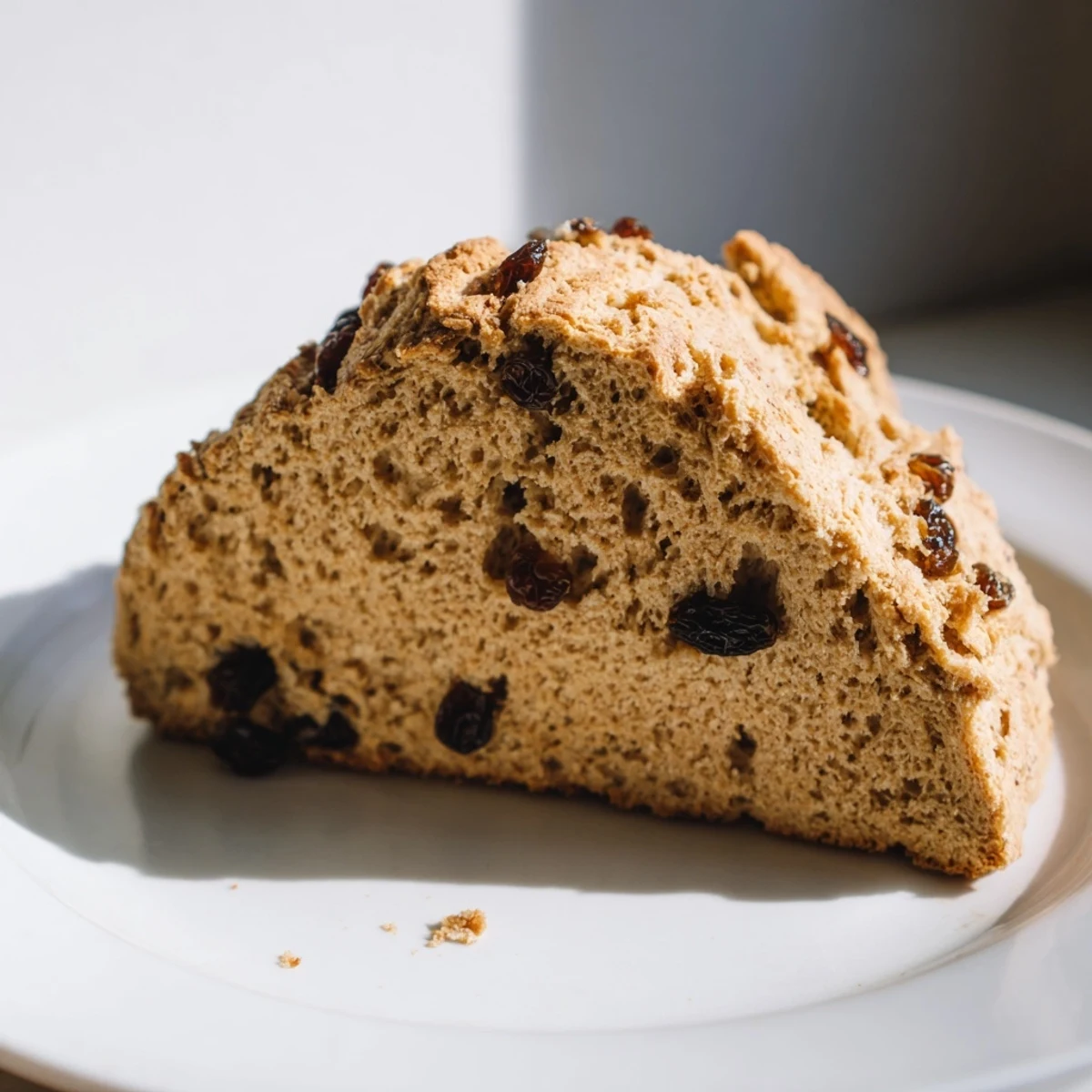
Save This hearty Irish bread combines whole wheat and all-purpose flours with dried currants for a slightly sweet and wholesome flavor. Using baking soda as a leavening agent removes the need for yeast, making preparation straightforward. The dough is gently mixed and shaped into a rustic round loaf with a characteristic X cut on top. Baked until golden, the bread offers a tender crumb with a crisp crust, ideal for breakfast or a comforting snack. Variations include using dairy-free substitutes, and serving suggestions range from butter to jam or honey.
The kitchen was already filled with that comforting yeasty smell when I first tried my hand at soda bread. I was nervous about working with whole wheat flour, worried it might turn out dense or dry. But that first warm slice, slathered with melting butter, completely changed my mind about quick breads.
My grandmother used to make soda bread every Sunday morning, the rhythm of her wooden spoon against the bowl like a familiar song. She taught me that the key is to handle the dough gently, treating it more like a shy friend than something to be tamed. That advice has never failed me.
Ingredients
- 2 cups whole wheat flour: Provides the hearty foundation and gives this bread its rustic character
- 1 cup all-purpose flour: Lightens the texture so it is not too dense
- 1 teaspoon baking soda: The leavening agent that makes the bread rise
- 1 teaspoon salt: Enhances all the flavors and balances the sweetness
- 2 tablespoons dark brown sugar: Adds subtle molasses notes and helps the crust color
- 3/4 cup dried currants: Small, tart grapes that plump up beautifully during baking
- 1 3/4 cups buttermilk: Creates the chemical reaction with baking soda and adds tenderness
- 2 tablespoons unsalted butter, melted: Adds richness to the crumb and helps with browning
Instructions
- Preheat your oven to 400°F (200°C):
- Line a baking sheet with parchment paper or lightly grease it with butter
- Whisk together the flours, baking soda, salt, and brown sugar:
- Mix them in a large bowl until they are completely combined and the baking soda is evenly distributed
- Add the currants to the flour mixture:
- Stir them in so they are well coated and will not clump together when the liquid is added
- Create a well in the center and pour in the buttermilk and melted butter:
- Mix gently with a wooden spoon or your hands just until a shaggy dough comes together
- Turn the dough onto a lightly floured surface:
- Knead it gently for about thirty seconds, just enough to bring it together into a cohesive mass
- Shape the dough into a round loaf:
- Form it into a disc about seven inches across and place it on your prepared baking sheet
- Cut a deep X across the top of the loaf:
- Use a sharp knife to score about one inch deep, which helps the bread bake evenly
- Bake for thirty-five to forty minutes:
- The bread is done when it is golden brown and sounds hollow when tapped on the bottom
- Cool on a wire rack for at least twenty minutes:
- This step is crucial as it allows the crumb to set properly before slicing
 Save
Save There is something magical about watching that X spread open in the oven, like a flower blooming in slow motion. It became my weekend ritual, the house filling with warmth while the coffee brewed.
Making It Your Own
Once you have mastered the basic recipe, try swapping the currants for raisins or chopped dried apricots. You can also add caraway seeds for a more traditional Irish flavor profile.
Storage Solutions
This bread is best eaten the day it is made, but you can wrap it tightly in plastic and store at room temperature for up to two days. For longer storage, slice and freeze it, then toast individual pieces as needed.
Serving Suggestions
Warm slices are incredible with salted butter melting into them, but it also pairs beautifully with sharp cheddar cheese or orange marmalade. The slight sweetness makes it perfect for breakfast or afternoon tea.
- Try it toasted with a poached egg on top
- Use day old bread to make bread pudding
- Pair with a hearty stew for dipping
 Save
Save Every time I pull a warm loaf from the oven, I am transported back to that first nervous attempt, realizing that sometimes the simplest recipes bring the greatest joy to the kitchen.
Recipe FAQs
- → What makes Irish soda bread distinct?
-
Irish soda bread uses baking soda as a leavening agent instead of yeast, creating a dense, tender texture with a slightly tangy taste from buttermilk.
- → Can I substitute currants with other dried fruits?
-
Yes, raisins or dried cranberries work well as alternatives, adding natural sweetness and texture.
- → How do I know when the bread is fully baked?
-
The bread should be golden brown with a hollow sound when tapped on the bottom, indicating it’s cooked through.
- → Is there a way to make a dairy-free version?
-
Replace buttermilk with plant-based milk mixed with lemon juice or vinegar, and swap butter for a neutral oil.
- → Why is the X cut important on top of the loaf?
-
The deep X allows the bread to expand properly during baking and adds a traditional aesthetic touch.
- → What are good serving ideas for this bread?
-
Serve warm with butter, honey, or jam to complement its subtle sweetness and hearty texture.