
 Save
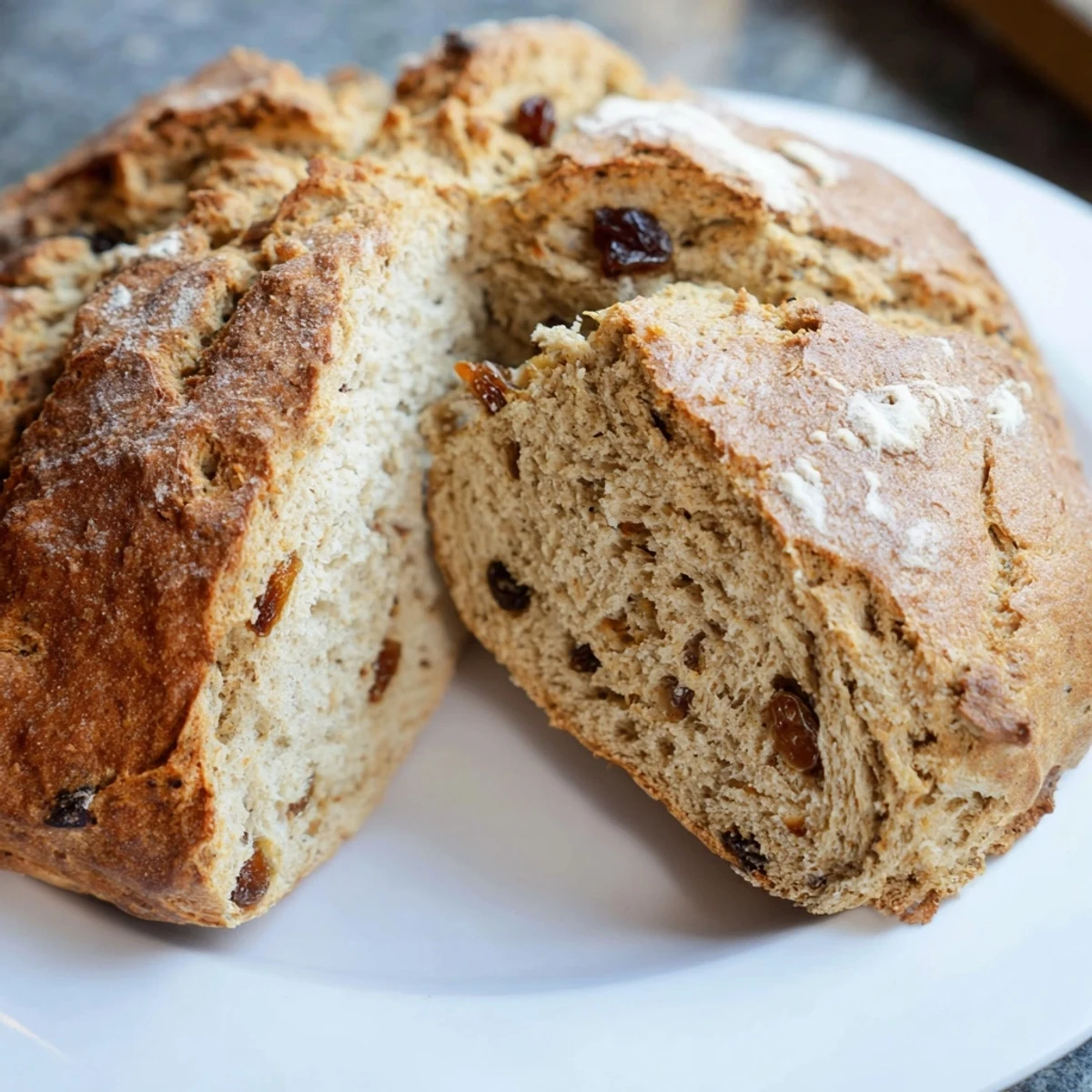
Save This whole wheat Irish soda bread offers a tender crumb paired with sweet raisins and a subtle tang from buttermilk. Combining whole wheat and all-purpose flours with baking soda and sugar creates a rustic loaf that bakes golden brown with a characteristic cross cut on top. The dough forms quickly, requiring gentle handling to maintain softness. Finished with a butter brush, this bread is best enjoyed warm, perfect alongside butter, jam, or honey. Simple to prepare and rich in flavor, it suits vegetarian diets and makes a wholesome addition to any meal.
The smell of whole wheat soda bread baking takes me back to my first apartment, where the oven was uneven and the windows always steamed up in winter. I was nervous about baking anything without yeast, honestly terrified it would turn out like a dense brick. But that first loaf emerged with the most gorgeous golden crust, and slicing into it while still warm revealed those plump raisins scattered throughout like little treasures. My roommate and I stood in the kitchen eating slice after slice, forgetting all about dinner.
Last summer, my neighbor Sarah knocked on the door just as I was pulling a loaf from the oven. She followed the buttery smell right down the hallway, and we ended up sharing slices on the back porch with coffee. She told me her grandmother used to bake soda bread every week, and the way she described watching those same cross patterns form in the oven made me feel part of something much larger than just breakfast.
Ingredients
- Whole wheat flour: Provides that earthy backbone and satisfying heft that makes this bread feel substantial
- All-purpose flour: Lightens the crumb so you do not end up with something too dense or heavy
- Baking soda: The crucial leavening agent that reacts with buttermilk to create rise
- Fine sea salt: Enhances the natural wheat flavor and balances the sweetness
- Granulated sugar: Just enough to highlight the raisins without making this a dessert bread
- Raisins: Toss them in flour first and they will stay suspended beautifully instead of sinking
- Buttermilk: Adds tang and tenderness, plus its acidity activates the baking soda
- Unsalted butter: Brushing the top gives you that irresistible golden, slightly crisp crust
Instructions
- Get your oven ready:
- Preheat to 400°F and line a baking sheet with parchment paper for easy cleanup
- Whisk the dry foundation:
- Combine both flours, baking soda, salt, and sugar in a large bowl until everything is evenly distributed
- Coat the raisins:
- Add the raisins and toss them until they are lightly dusted in flour, which prevents them from clumping together
- Mix the wet ingredients:
- Whisk together the buttermilk and melted butter in a separate bowl until fully combined
- Bring dough together:
- Make a well in the center of the dry ingredients, pour in the wet mixture, and stir with a wooden spoon until a shaggy dough forms
- Handle gently:
- Turn the dough onto a lightly floured surface and knead for just 30 seconds until it comes together
- Shape the loaf:
- Form the dough into a round about 7 inches across and place it on your prepared baking sheet
- Score the top:
- Use a sharp knife to cut a deep X across the top of the loaf, about halfway through
- Add finishing touches:
- Brush the top with a little extra melted butter for that beautiful golden finish
- Bake to perfection:
- Bake for 35 to 40 minutes until deeply golden and the bottom sounds hollow when tapped
- Practice patience:
- Cool on a wire rack for at least 30 minutes before slicing to let the crumb set properly
 Save
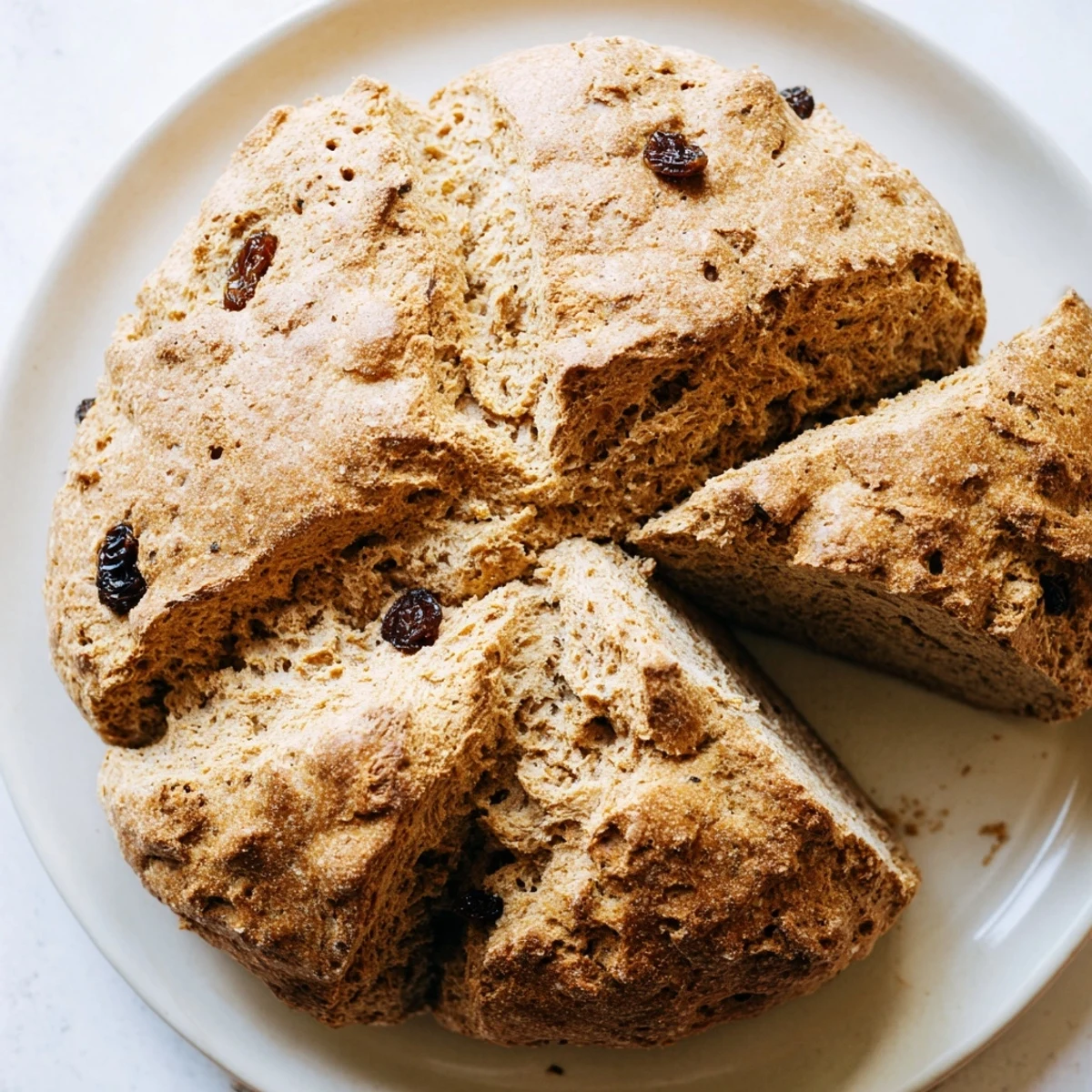
Save My youngest daughter helped me make a loaf last weekend, and she was so proud of cutting that X on top herself. We ate it warm with honey while it snowed outside, and she declared this the best bread ever. Some recipes become favorites because of complicated techniques, but this one wins simply by being honest and unpretentious.
Making It Your Own
Caraway seeds add a lovely subtle anise flavor that echoes traditional Irish versions, but toasted walnuts create wonderful crunch too. I have tried swapping the raisins for dried currants or chopped dried apricots, and each variation brings its own character. A handful of orange zest mixed into the dry ingredients brightens everything beautifully.
Serving Ideas
Warm slices slathered with salted butter are pretty close to perfection, but this bread also makes exceptional french toast. Leftovers (if you have any) transform into the most indulgent bread pudding when soaked in a custard of eggs, cream, and cinnamon. For a savory twist, serve alongside hearty soups or stew instead of dinner rolls.
Storage Secrets
This bread is at its absolute best the day it is baked, when the crust is at its crispest and the interior is still tender. I wrap any leftover slices tightly and pop them in the freezer, then toast directly from frozen to revive that fresh-baked texture. The freezer method actually preserves the moisture better than leaving it at room temperature.
- Never refrigerate soda bread, as it turns the crumb dry and stales it much faster
- Wrap loaves in a clean tea towel while cooling to keep the crust tender
- Revive day old bread by sprinkling with water and warming at 350°F for 10 minutes
 Save
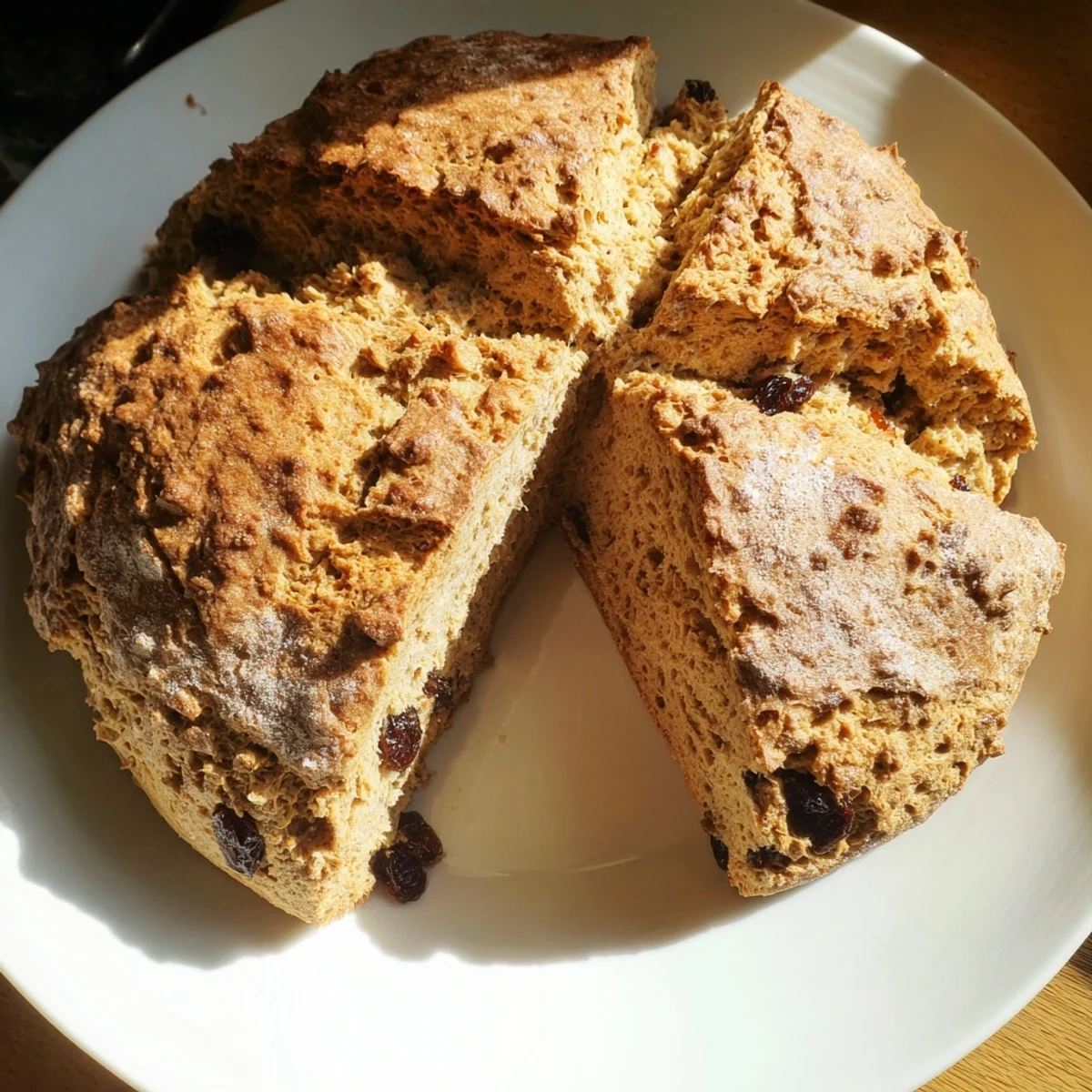
Save There is something profoundly satisfying about a recipe that asks so little but gives so much in return. I hope this bread finds its way into your kitchen on quiet mornings and busy weekdays alike.
Recipe FAQs
- → What makes Irish soda bread rise without yeast?
-
Irish soda bread relies on baking soda reacting with acidic buttermilk to produce carbon dioxide bubbles, which help the dough rise quickly without yeast.
- → How can I prevent the bread from becoming dense?
-
Mix the dough just until combined and knead gently to avoid developing too much gluten, which can cause a heavy texture.
- → Can raisins be substituted in this bread?
-
Yes, dried currants or chopped dried apricots can be used instead of raisins for a different fruity twist.
- → Why is the cross cut important on top of the loaf?
-
The deep X allows steam to escape while baking and helps the loaf rise evenly, giving it a classic appearance.
- → How should the bread be stored after baking?
-
Cool completely on a wire rack before slicing. It’s best eaten the day it’s baked but can be toasted the next day for freshness.