
 Save
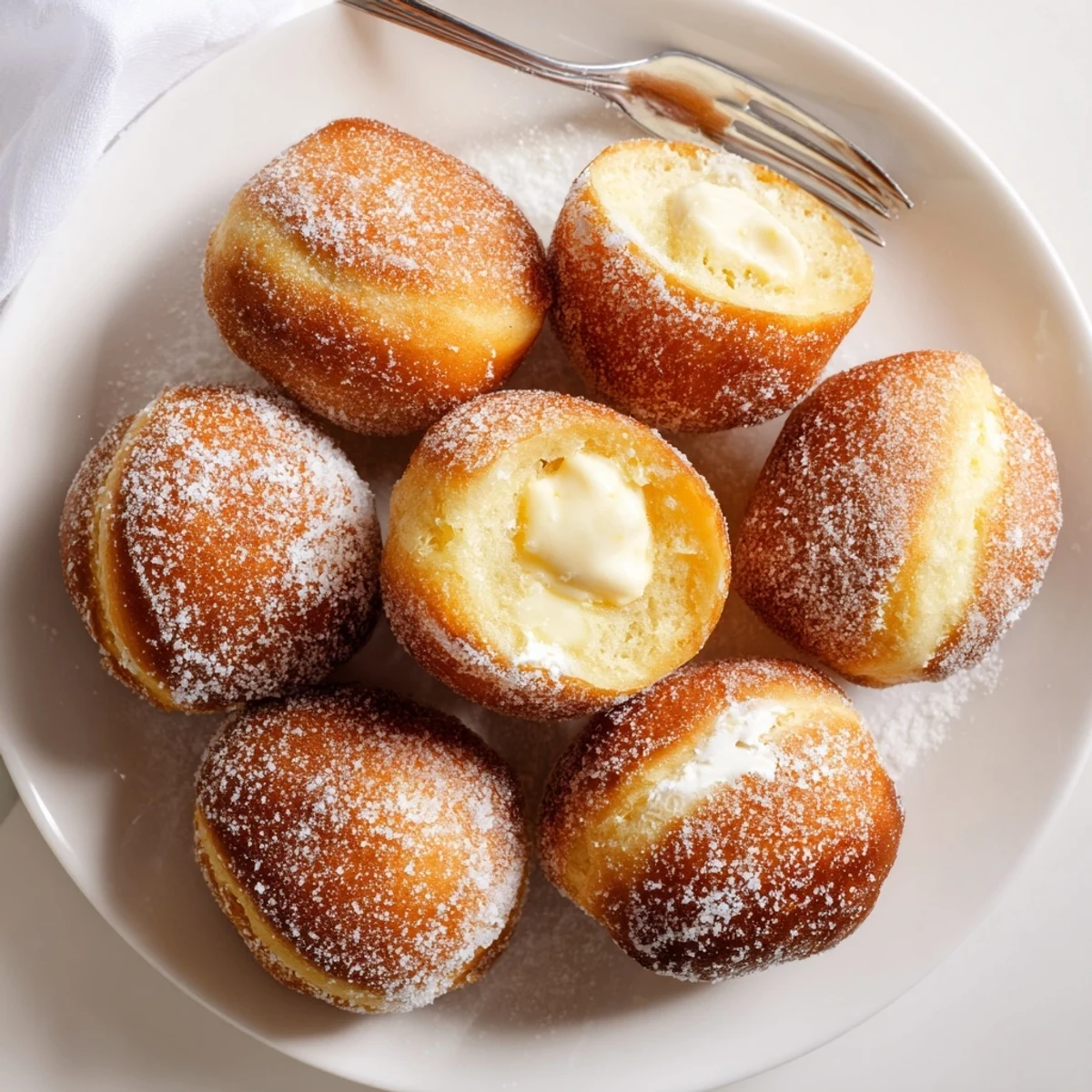
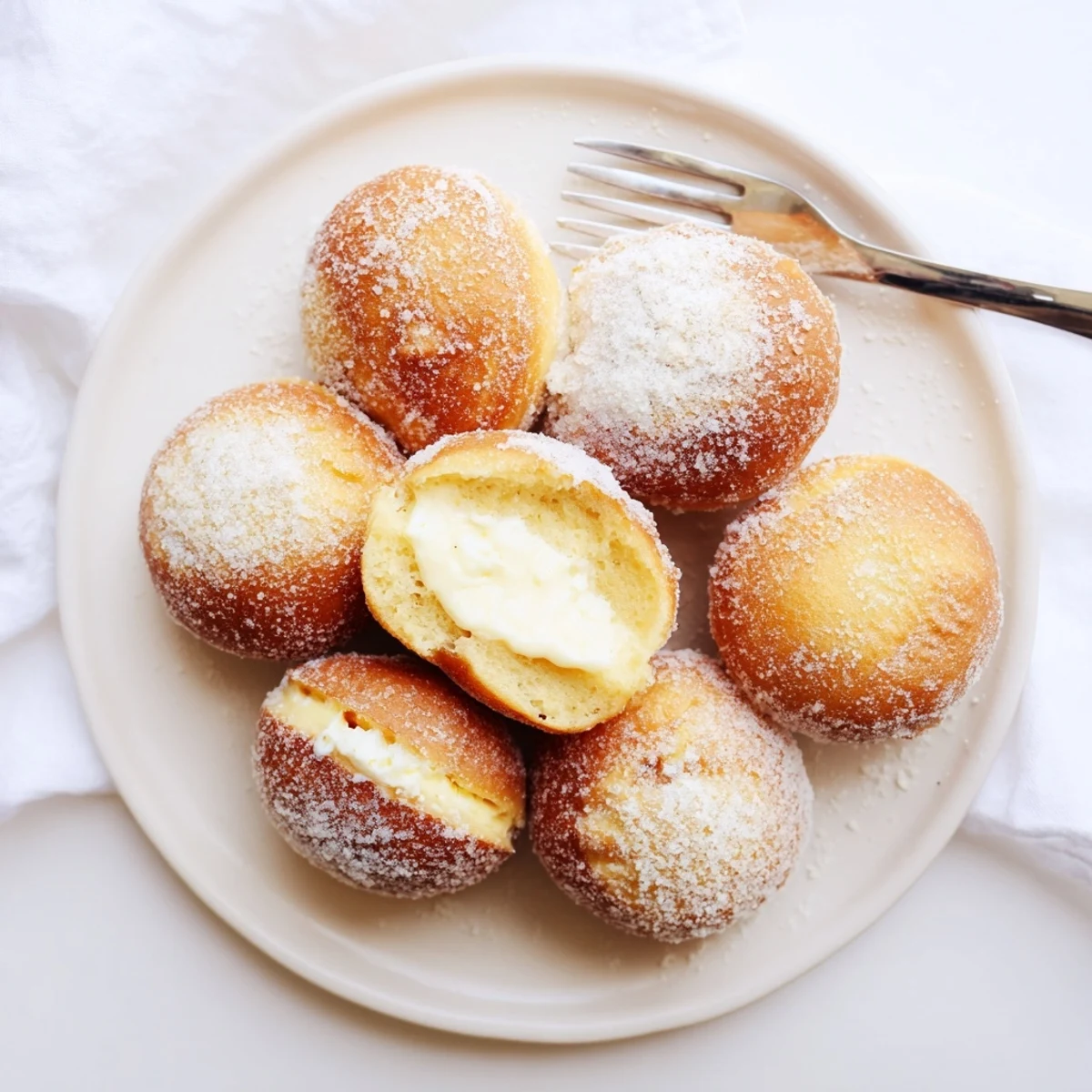
Save These classic Italian bomboloni feature pillowy deep-fried dough that's golden outside and incredibly tender inside. Each round donut gets generously filled with silky vanilla pastry cream made from egg yolks, milk, and fresh vanilla bean. The final touch is a generous coating of granulated sugar that creates a delicate crunch against the soft dough. Perfect with morning espresso or as an after-dinner indulgence, these filled donuts bring authentic Italian bakery vibes to your kitchen.
The first time I bit into a bomboloni in Florence, I was sitting on a sun-drenched terrace watching tourists struggle with maps. The donut was still warm from the morning batch, sugar coating my fingers, and that cream center shot out just enough to make me laugh. I spent the next three weeks trying to recreate that exact texture in my tiny apartment kitchen, ruining five batches before understanding that patience with yeast matters more than perfect measurements.
Last winter I made these for my fathers birthday, and he stood by the stove eating them straight from the paper towels, sugar dusting his sweater. He told me stories about his own grandmother making something similar when he was a boy, and suddenly the recipe felt like it belonged to both of us. Now they are what everyone requests for special occasions, though honestly, I have been known to make them on random Tuesdays just because.
Ingredients
- All-purpose flour: This creates the perfect structure, but do not pack it down or your donuts will be dense instead of pillowy
- Active dry yeast: Make sure your milk is warm like bath water, not hot, or you will kill the yeast before it can work its magic
- Whole milk: The fat content here makes a difference in both the dough and the cream, so avoid substituting with low-fat versions
- Eggs: Room temperature eggs incorporate better into the dough, so take them out about 30 minutes before you start mixing
- Unsalted butter: Softened butter blends more evenly, and I have learned the hard way that melted butter changes the dough structure completely
- Vanilla extract: Use the good stuff here since it is the primary flavor in both the dough and the cream filling
- Vegetable oil: You need enough oil so the donuts float freely without touching the bottom of the pot
- Granulated sugar: Roll them while they are still warm, or the sugar will not stick properly and you will end up with patchy coating
- Egg yolks: Extra yolks make the pastry cream richer and help it hold its structure inside the warm donuts
- Cornstarch: This thickens the cream perfectly, but whisk constantly or you will end up with lumps that no amount of straining can fix
Instructions
- Make the dough base:
- Combine your flour, sugar, yeast, and salt in a large bowl or stand mixer, then pour in the warm milk, eggs, vanilla, and softened butter all at once. Mix until everything comes together into a shaggy dough that looks like it might not work, but trust me, it will.
- Knead until smooth:
- Work the dough for 8 to 10 minutes until it feels like your earlobe when you pinch it, smooth and elastic with a bit of bounce back. The dough should clean the sides of the bowl but still feel slightly tacky to the touch.
- Let it rise:
- Place your dough in a lightly greased bowl, cover it with plastic wrap or a warm damp towel, and walk away for at least an hour. The dough should double in size, and when you poke it gently with your finger, the indentation should stay.
- Shape the rounds:
- Punch down the dough gently, roll it out to about 3/4 inch thickness on a floured surface, and cut as many rounds as you can with a 3-inch cutter. Gather the scraps, let them rest for 10 minutes, then roll and cut again until you have 12 pieces.
- Second rise:
- Arrange your dough rounds on parchment-lined trays, cover them loosely so they can breathe but do not dry out, and let them puff up for another 30 to 45 minutes. They should look noticeably plumper and almost like little clouds when they are ready.
- Make the pastry cream:
- Heat your milk in a saucepan until it is steaming but not boiling, then whisk your egg yolks, sugar, and cornstarch until they are pale and thick. Slowly pour the hot milk into the yolks while whisking furiously so the eggs do not scramble.
- Thicken the cream:
- Return everything to the saucepan and cook over medium heat, whisking constantly, until the mixture suddenly thickens and bubbles. Keep whisking for another 2 minutes to cook out the starch taste, then stir in vanilla and butter until smooth.
- Chill the cream:
- Press plastic wrap directly onto the surface of your pastry cream so it does not form a skin, then refrigerate it until you are ready to fill the donuts. Cold cream fills warm donuts better than room temperature cream.
- Heat the oil:
- Pour enough oil into a heavy pot to reach at least 3 inches up the sides, then heat it to 350°F. If you do not have a thermometer, drop a small piece of dough into the oil, it should sizzle immediately and rise to the surface within seconds.
- Fry until golden:
- Carefully lower 2 or 3 donuts into the hot oil and fry them for about 2 to 3 minutes per side until they are a deep golden brown. The donuts will puff up beautifully, and you know they are done when they feel light when you tap them with your spoon.
- Sugar coat:
- Transfer the fried donuts to paper towels to drain for just 30 seconds, then immediately roll them in granulated sugar while they are still warm. The sugar needs that residual heat to adhere properly.
- Fill with cream:
- Once the donuts have cooled completely, poke a small hole in the side of each one and pipe your chilled pastry cream inside until you feel a slight resistance. You want them generous but not so full that the cream bursts through the sides when you take a bite.
 Save
Save My niece helped me make these last Sunday and managed to get flour in her hair, sugar on her nose, and cream somehow on her elbow. She ate three standing right there at the counter and declared them better than anything from the bakery down the street, which honestly might just be true.
Getting The Rise Right
Yeast is living stuff, and it responds to how you treat it. I keep my dough in a turned-off oven with the door cracked open, away from drafts that can cause uneven rising. The dough should feel alive and puffy under your fingers, not dense or tired.
Perfect Oil Temperature
Invest in a kitchen thermometer if you do not have one, because guessing oil temperature is how you end up with disappointing donuts. I maintain mine at exactly 350°F and let the oil come back to temperature between batches, otherwise the later ones fry differently than the first ones.
Filling Like A Pro
A piping bag with a round tip makes filling so much easier than trying to spoon the cream in by hand. Insert the tip about halfway into the donut and squeeze slowly, feeling the donut get heavier in your hand as it fills. You will know when to stop when the cream starts to back up.
- Wiggle the piping tip gently inside to create space for more cream
- Fill from the side where the sugar coating is thinner so it is less obvious
- Serve within a few hours because the sugar starts to melt into the cream over time
 Save
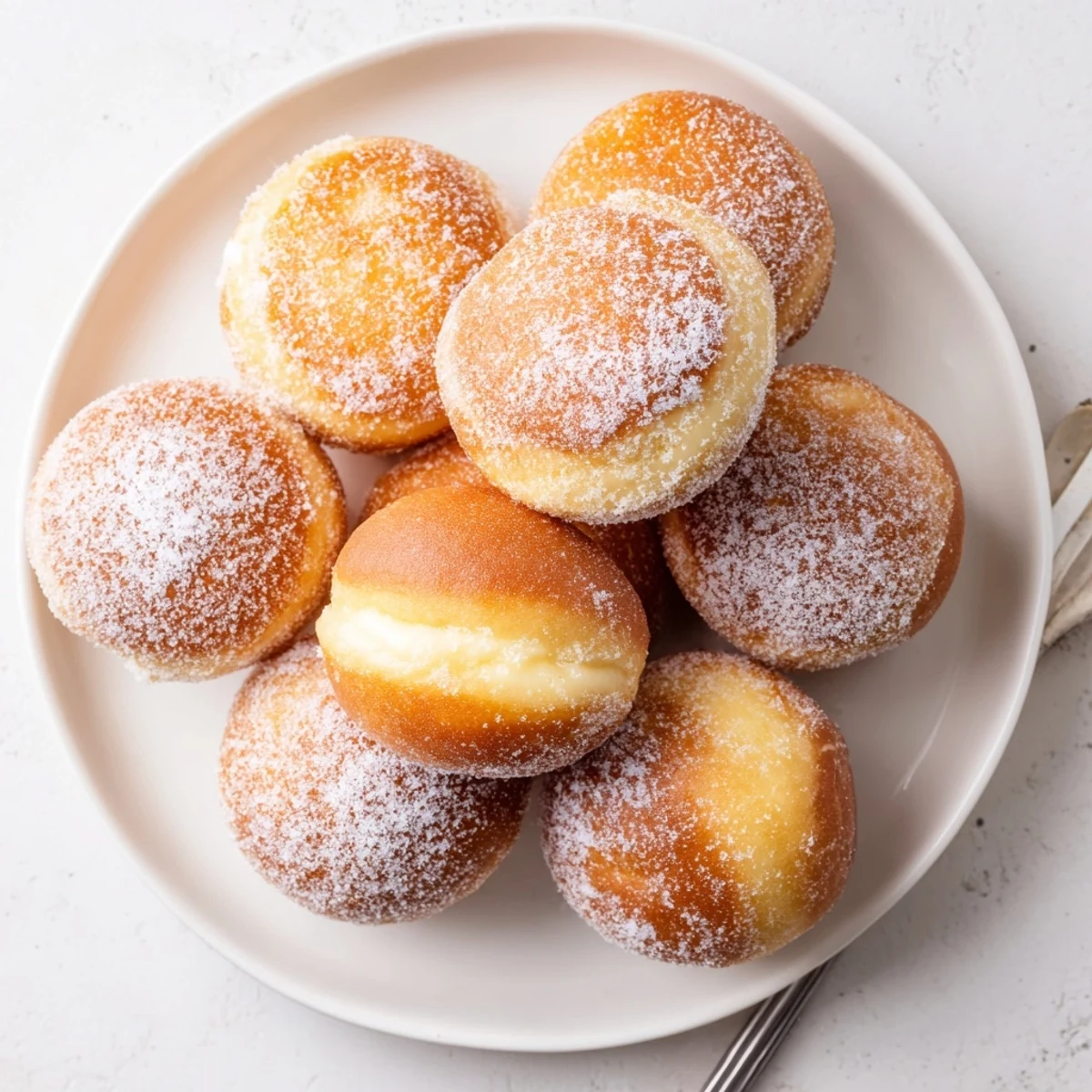
Save There is something deeply satisfying about making something that brings this much joy to people. These donuts have become my secret weapon for turning ordinary mornings into celebrations.
Recipe FAQs
- → What makes bomboloni different from regular donuts?
-
Bomboloni are Italian-style donuts that are fried as round balls rather than ring shapes, then filled with pastry cream rather than glazed. The dough is richer and yeast-based, creating a lighter, airier texture compared to cake donuts.
- → Can I make the dough ahead of time?
-
Yes, the dough can be prepared and refrigerated overnight for its first rise. This actually develops more flavor. Let it come to room temperature before rolling and shaping.
- → What's the best way to fill the donuts?
-
Use a piping bag fitted with a plain round tip. Poke a small hole in the side of each cooled donut, then gently pipe the cream inside until you feel slight resistance. Rotate the bag while filling for even distribution.
- → How should I store bomboloni?
-
These are best enjoyed within 4-6 hours of filling, as the cream can eventually soften the dough. Store unfilled donuts in an airtight container and fill just before serving. If storing filled donuts, keep refrigerated and bring to room temperature before eating.
- → Can I bake instead of fry?
-
While frying is traditional, you can bake at 375°F for 12-15 minutes. The texture will be more bread-like than the classic fried version, but still delicious. Brush with melted butter before rolling in sugar.
- → What other fillings work well?
-
Beyond vanilla pastry cream, try chocolate ganache, Nutella, lemon curd, or raspberry jam. For savory variations, fill with ricotta mixed with herbs andParmesan.