
 Save
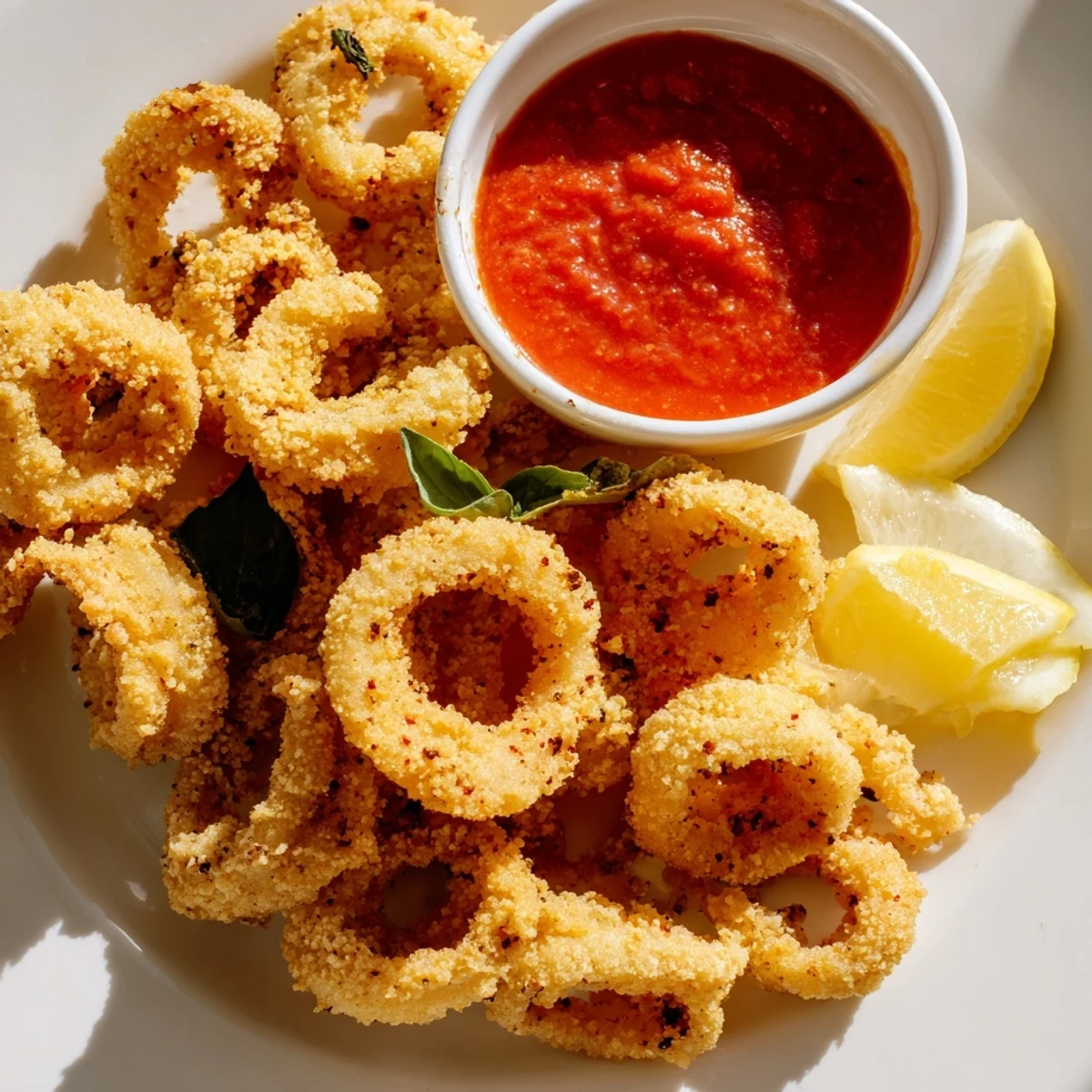
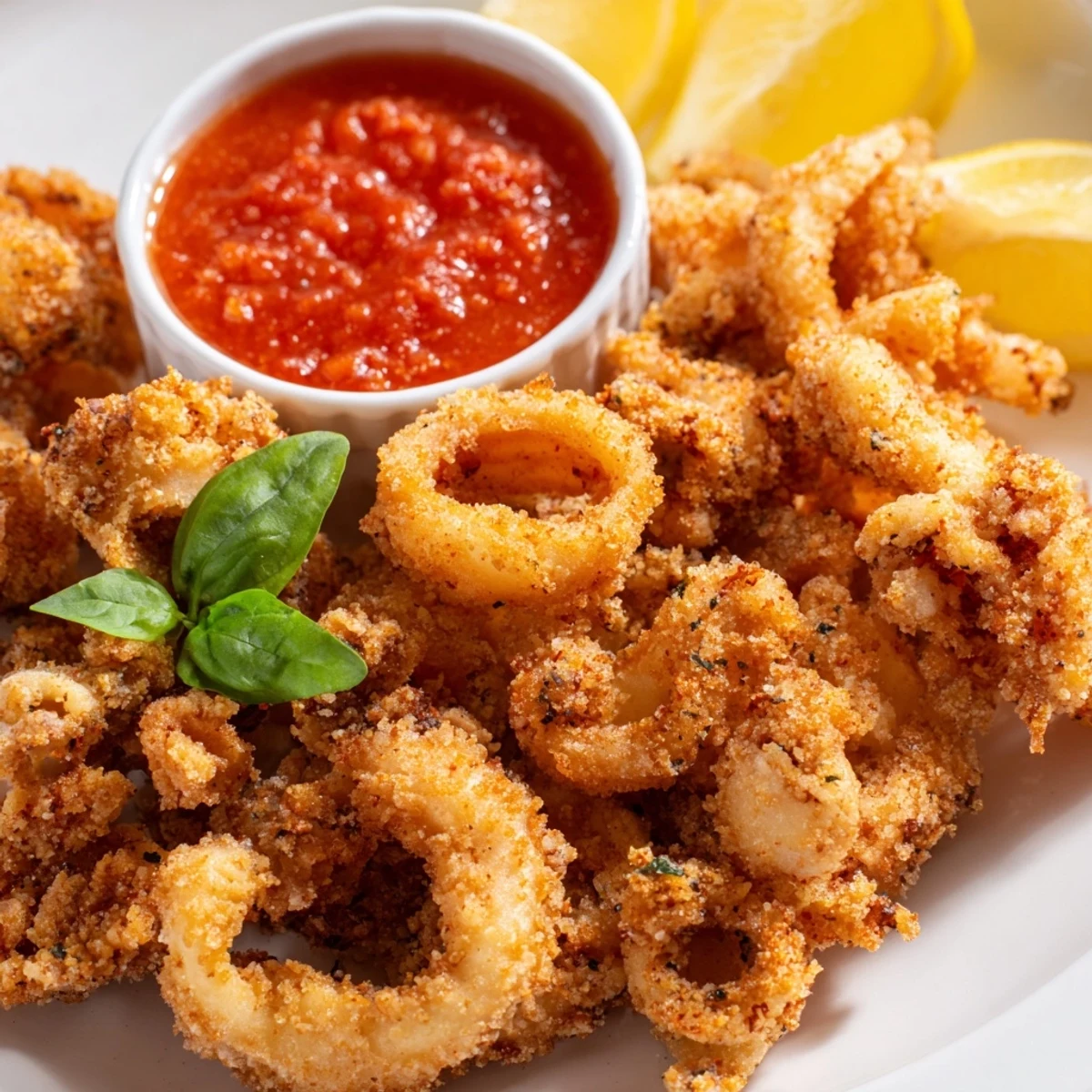
Save This dish features tender calamari rings marinated in buttermilk, then coated in a seasoned flour and cornmeal mix before frying to a golden crisp. Paired with a zesty marinara sauce made from fresh tomatoes, garlic, and herbs, it delivers a perfect balance of crunch and rich flavors. Ideal as a savory starter or snack, it pairs wonderfully with lemon wedges and a light Italian white wine. Cooking takes just over 30 minutes, offering a satisfying yet simple preparation.
I discovered crispy calamari at a tiny trattoria tucked behind the harbor in a small coastal town, where an elderly chef stood at the window watching boats come and go. She'd fry these delicate rings until they were impossibly golden, then dip them in a sauce that tasted like summer itself—bright, tangy, alive. Years later, I finally worked up the courage to ask how she made them so tender, and her answer was surprisingly simple: patience with the buttermilk, respect for the oil temperature, and never, ever crowding the pan. Now every time I make them at home, I remember standing in that kitchen, listening to the gentle sizzle and the way she hummed while she worked.
My partner's skeptical when I announce calamari night, convinced it'll be tough or fishy, but one bite of these golden rings and suddenly they're reaching for more. I love watching that moment of hesitation turn into genuine delight, especially when they dunk one in the warm marinara and close their eyes.
Ingredients
- Fresh calamari, cleaned and sliced into rings: Look for pale, firm rings without any strong smell—freshness makes all the difference here. If your fishmonger will clean it for you, absolutely take them up on it.
- Buttermilk: This is the secret to tenderness; it gently tenderizes while adding a subtle tang that cuts through the richness of frying.
- All-purpose flour and fine cornmeal: The cornmeal gives you that signature crunch and helps the coating stay crispy even as it cools slightly.
- Garlic powder and paprika: These bring warmth and color to the coating—don't skip them even though they seem simple.
- Vegetable oil: Use an oil with a high smoke point; regular vegetable or canola works beautifully.
- Crushed tomatoes for marinara: Fresh, high-quality canned tomatoes matter more than fresh here—they've concentrated their flavor.
- Fresh basil: Stir it in at the very end so it keeps its brightness and doesn't turn dark.
Instructions
- Soak the calamari in buttermilk:
- Place your cleaned calamari rings in a bowl and cover them completely with buttermilk. Set a timer for 15 minutes—don't rush this step, as it's doing the real work of tenderizing. The liquid will look milky and the calamari will soften noticeably.
- Start the marinara sauce:
- While the calamari soaks, warm olive oil in a saucepan over medium heat. Add minced garlic and let it become fragrant (about 30 seconds—listen for a gentle sizzle, not a harsh cooking sound). Pour in crushed tomatoes, oregano, chili flakes if using, a pinch of sugar, salt, and pepper, then let it simmer uncovered for 10-12 minutes, stirring occasionally, until slightly thickened.
- Mix your coating:
- In a shallow dish, combine flour, cornmeal, garlic powder, paprika, salt, and black pepper. Stir it well so the seasonings are evenly distributed—you want every ring to taste seasoned, not just the outside.
- Heat your oil to the right temperature:
- Pour vegetable oil into a deep pan or fryer and heat it to 180°C (350°F). Use a thermometer if you have one; this temperature is crucial—too cool and the calamari absorbs oil and gets greasy, too hot and the outside burns before the inside cooks. If you don't have a thermometer, a small cube of bread should sizzle immediately and turn golden in about 60 seconds.
- Dredge and fry in batches:
- Lift calamari rings from the buttermilk one at a time, letting excess liquid drip back into the bowl, then dredge them in the flour mixture, making sure every piece gets coated. Working in small batches so you don't crowd the pan (this keeps the oil temperature steady), carefully add them to the hot oil and fry for 1-2 minutes until they're golden and crispy. Use a slotted spoon to turn them if needed—you're looking for a deep golden color that promises crispness.
- Drain and serve:
- Transfer each batch to a plate lined with paper towels to drain away excess oil. Finish the marinara with fresh basil if you're using it, then serve the calamari hot alongside lemon wedges and warm marinara for dipping.
 Save
Save There was an evening when my mother finally tasted my crispy calamari and looked at me with this quiet pride, then asked for the recipe in a way that felt like she was asking if I'd learned something important. That's when I realized this dish had become a bridge between us—her confidence in me meeting my willingness to try something that once intimidated me.
The Buttermilk Secret
Most people think calamari's toughness is inevitable, but the real story is in the marinade. Buttermilk is acidic and enzymatic, which means it actually breaks down the proteins and tenderizes the muscle fibers gently over time. You could rush this to 5 minutes and it would still be okay, but 15 minutes is where magic happens—the calamari goes from raw-firm to impossibly delicate.
Coating and Crunch
The cornmeal mixed into your flour makes a real difference here. It doesn't just add texture—it helps the coating stay crispy longer and gives a slight grittiness that feels authentic, like you're eating something from a proper fryer. Some people use panko, but I love how cornmeal browns differently and holds up better if someone's eating these over the next few minutes.
Building Your Marinara
This sauce doesn't need hours—just 10-12 minutes of gentle simmering lets the tomatoes concentrate and develop character. The small touches matter: the chili flakes add a whisper of heat that makes people pause and ask what that warmth is, the sugar rounds out any sharpness in the tomatoes, and the basil stirred in at the very end keeps its bright, grassy flavor instead of turning dark and muted.
- If your tomatoes taste too acidic, stir in an extra half-teaspoon of sugar and simmer for another minute.
- You can make this sauce a few hours ahead and reheat it gently just before serving—it actually gets better as it sits.
- Fresh basil is worth the effort; dried tastes flat compared to what a few leaves can do for this sauce.
 Save
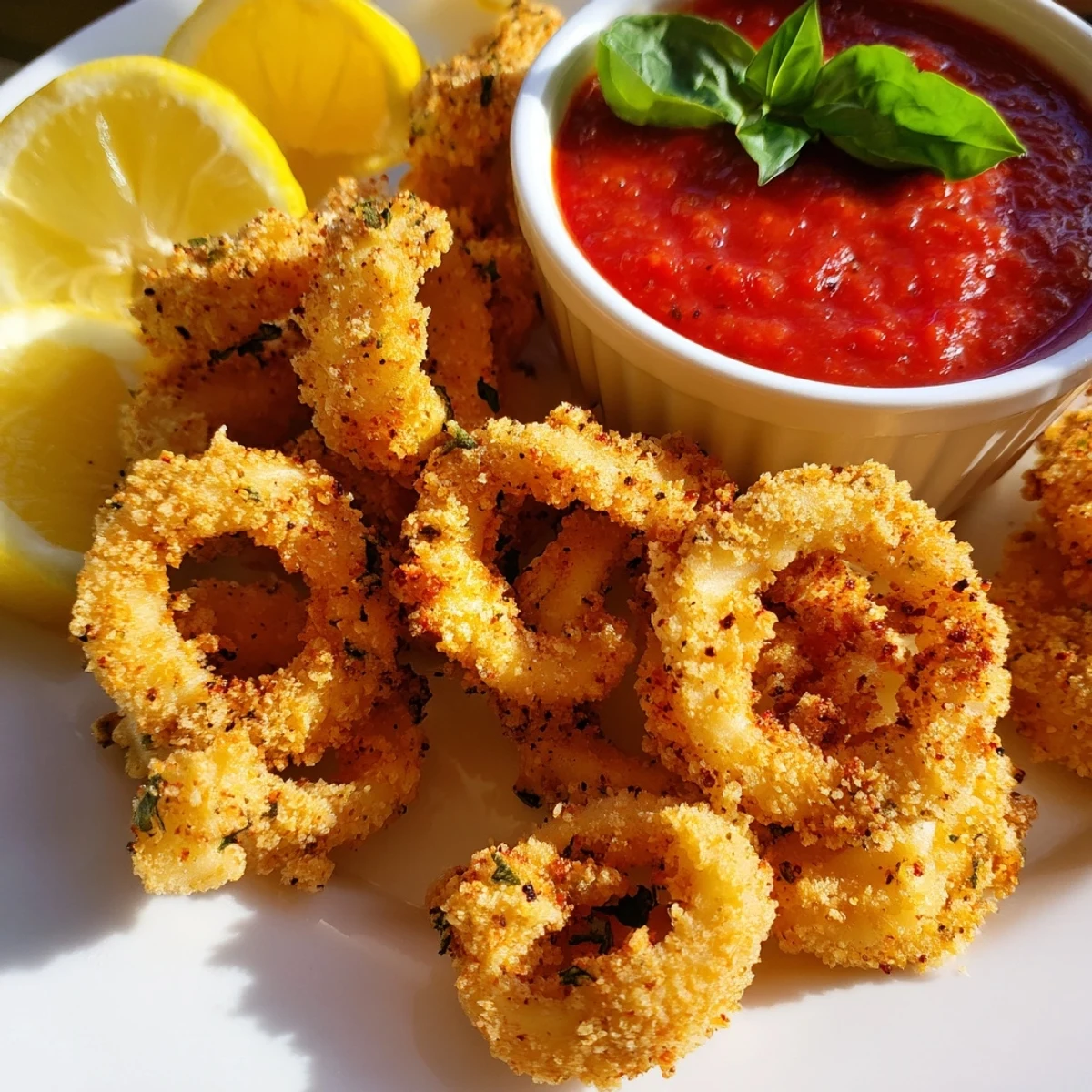
Save This is the kind of dish that reminds you why people gather around tables in the first place—something warm and golden and shareable, dipped in sauce that tastes like care. Once you've made it once, you'll find reasons to make it again.
Recipe FAQs
- → How do I make the calamari extra crispy?
-
Double-dipping the calamari in buttermilk and the breading mixture before frying enhances the crunchiness.
- → Can I substitute calamari with other seafood?
-
Shrimp works well as a substitute and fries quickly with similar results.
- → What oil is best for frying calamari?
-
Use vegetable oil or any neutral oil with a high smoke point to ensure a crisp, golden finish.
- → How do I prepare the marinara sauce?
-
Sauté garlic in olive oil, then simmer crushed tomatoes with oregano, chili flakes, sugar, salt, and pepper until thickened, finishing with fresh basil.
- → What can I serve alongside this dish?
-
Lemon wedges add brightness and a crisp Italian white wine like Pinot Grigio complements the flavors nicely.