
 Save
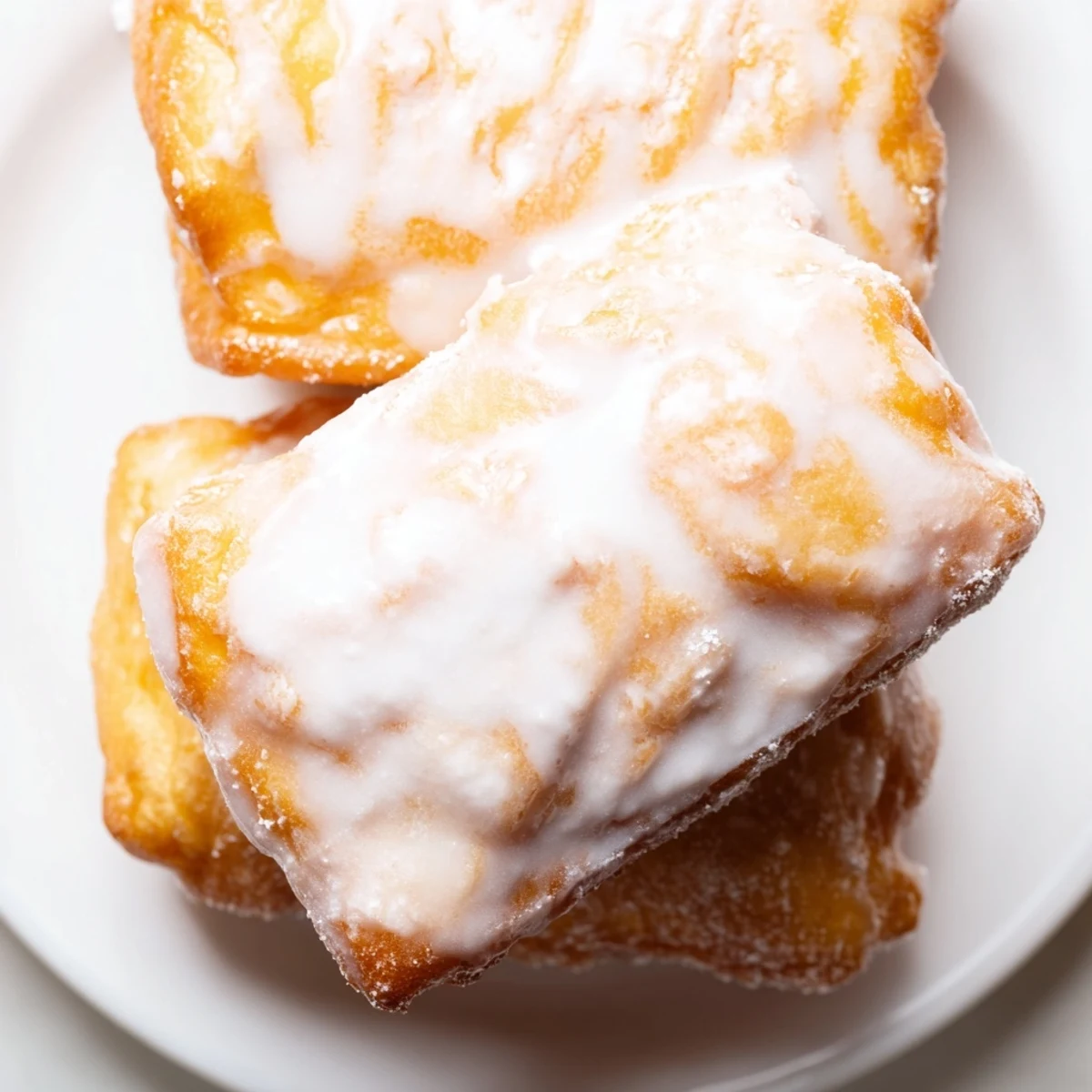
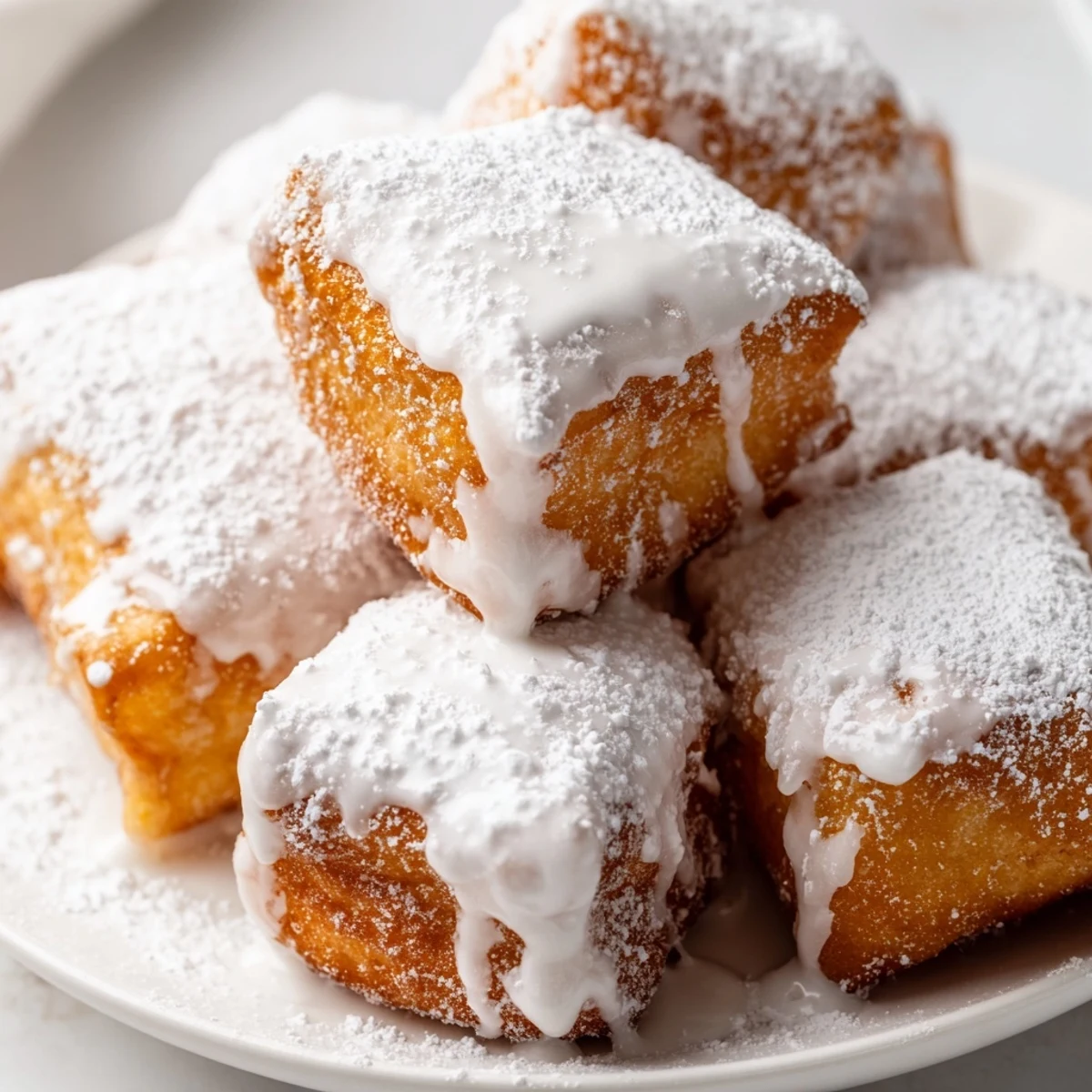
Save These pillowy beignet squares combine tangy buttermilk with a tender, airy crumb for an authentic New Orleans treat. After frying to golden perfection, each square gets dipped in a luscious vanilla glaze that hardens just enough to create a satisfying crackle. The buttermilk adds subtle depth while keeping the interior remarkably light. Perfect alongside coffee for breakfast or as an indulgent afternoon snack.
The first time I attempted beignets, I was living in a drafty apartment with a kitchen that barely fit two people. My roommate walked in just as I was dusting everything—including myself—with powdered sugar, and we ended up eating half the batch standing at the counter, laughing through the sugar fog. That morning taught me that homemade beignets have a soul that nothing from a box can capture.
Last winter, I made a double batch for a snow day brunch. Watching people reach for seconds, their fingers already sticky with glaze, reminded me why I keep returning to this recipe despite the mess of frying. Something about warm beignets turns strangers into friends and quiet mornings into celebrations.
Ingredients
- 3 ½ cups all-purpose flour: The foundation of that classic chewy beignet texture we all crave
- 2 ¼ tsp active dry yeast: This amount gives the perfect rise without making the dough taste too yeasty
- ¼ cup granulated sugar: Just enough to balance the tangy buttermilk and support the yeast
- ¾ tsp kosher salt: Essential for bringing out all the flavors and preventing the dough from tasting flat
- ½ cup buttermilk: This is the secret ingredient that makes these beignets exceptionally tender and adds a subtle tang
- ½ cup whole milk: Creates richness while keeping the dough workable and smooth
- 2 large eggs: Adds structure and helps create that beautiful golden color when frying
- 3 tbsp unsalted butter: Melt and cool it first, or it will scramble your eggs when they mix
- 4 cups vegetable oil: You need this depth for proper frying, and it heats evenly without scorching
- 2 cups powdered sugar: Sift it first or your glaze will have stubborn lumps
- ¼ cup whole milk for glaze: Adjust this to get your ideal glaze consistency
- 1 tsp pure vanilla extract: Pure extract makes a noticeable difference in the final flavor
Instructions
- Prepare the dough foundation:
- Whisk together the flour, yeast, sugar, and salt in a large bowl until everything is evenly distributed.
- Mix the wet ingredients:
- In a separate bowl, beat the buttermilk, milk, eggs, and melted butter until smooth.
- Combine everything:
- Make a deep well in the center of your dry ingredients and pour in the wet mixture. Stir until a shaggy, sticky dough forms.
- Work the dough:
- Knead on a floured surface for 6 to 8 minutes until smooth and elastic. The dough should feel tacky but not stick to your hands.
- Let it rise:
- Place the dough in an oiled bowl, cover, and let rise for 60 to 75 minutes until doubled in size.
- Roll and cut:
- Punch down the risen dough and roll it out to about ½ inch thickness. Cut into 2 inch squares with a sharp knife.
- Second rest:
- Arrange squares on a parchment-lined tray, cover loosely, and let rest for 20 minutes.
- Heat the oil:
- Heat your oil to 350°F. The oil should be deep enough that beignets can float freely.
- Fry to perfection:
- Cook beignets in batches for 1 to 2 minutes per side until golden brown and puffed. Drain on paper towels.
- Make the glaze:
- Whisk the powdered sugar, milk, and vanilla until completely smooth.
- Glaze and serve:
- Dip each warm beignet into the glaze, let excess drip off, and place on a rack to set.
 Save
Save These beignets have become my go-to for birthdays and special weekend mornings. There is something deeply satisfying about standing over the fryer, watching them puff up like magic pillows, and knowing that warm moments are just minutes away.
Getting That Perfect Rise
The difference between okay beignets and exceptional ones often comes down to yeast activity. I have found that keeping my dough in a warm, draft-free spot makes all the difference. Sometimes I even preheat my oven for a minute, turn it off, and let the dough rise inside—consistently my best results.
Mastering the Fry
Oil temperature is where most people stumble. I keep a thermometer clipped to the side of my pot and adjust the heat as needed. If the oil is too hot, the outside burns before the inside cooks. Too cool, and you get greasy, heavy squares that never quite achieve that signature puff.
Serving and Storing
Beignets are at their absolute best within an hour of frying, but life does not always cooperate with perfect timing. I have learned a few tricks over the years.
- Fry them up to 2 hours before serving and keep warm in a 200°F oven
- Reheat day-old beignets in a 350°F oven for 3 to 4 minutes
- Apply fresh glaze after reheating to restore that just-made quality
 Save
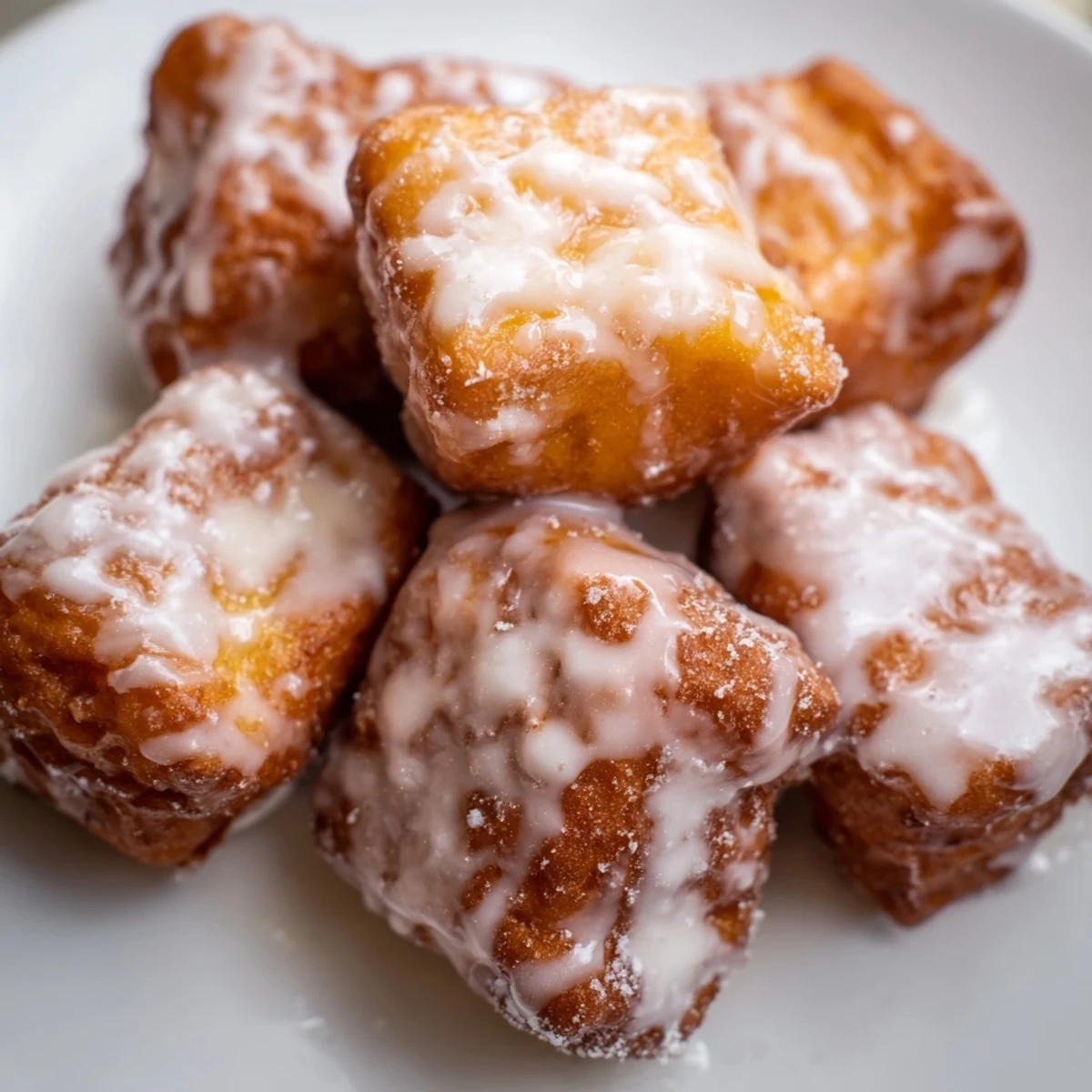
Save May your kitchen always smell like warm sugar and happy moments. These beignets are meant to be shared.
Recipe FAQs
- → What makes these beignets different from traditional ones?
-
Buttermilk adds tanginess and tenderness to the dough, creating a lighter crumb than traditional beignets. The result is a more delicate interior with the same crispy exterior.
- → Can I make the dough ahead of time?
-
Yes, prepare the dough through the first rise, then refrigerate overnight. Let it come to room temperature before rolling and cutting. The second rise can happen while your oil heats.
- → What's the best way to keep beignets warm?
-
Place fried beignets on a wire rack over a baking sheet in a 200°F oven. This keeps them crisp without becoming soggy. Glaze just before serving.
- → Why did my beignets absorb too much oil?
-
Oil that's too cool causes greasy beignets. Maintain 350°F and don't overcrowd the pot, which drops the temperature. A proper second rise also prevents excessive oil absorption.
- → Can I freeze uncooked beignet squares?
-
Absolutely. After cutting and the second rest, freeze squares in a single layer, then transfer to a freezer bag. Fry frozen, adding 30 seconds to cooking time.
- → What pairs well with glazed beignets?
-
Hot café au lait is the classic New Orleans pairing. Freshly brewed coffee, chicory coffee, or even hot chocolate work beautifully. For contrast, try with fresh berries.