
 Save
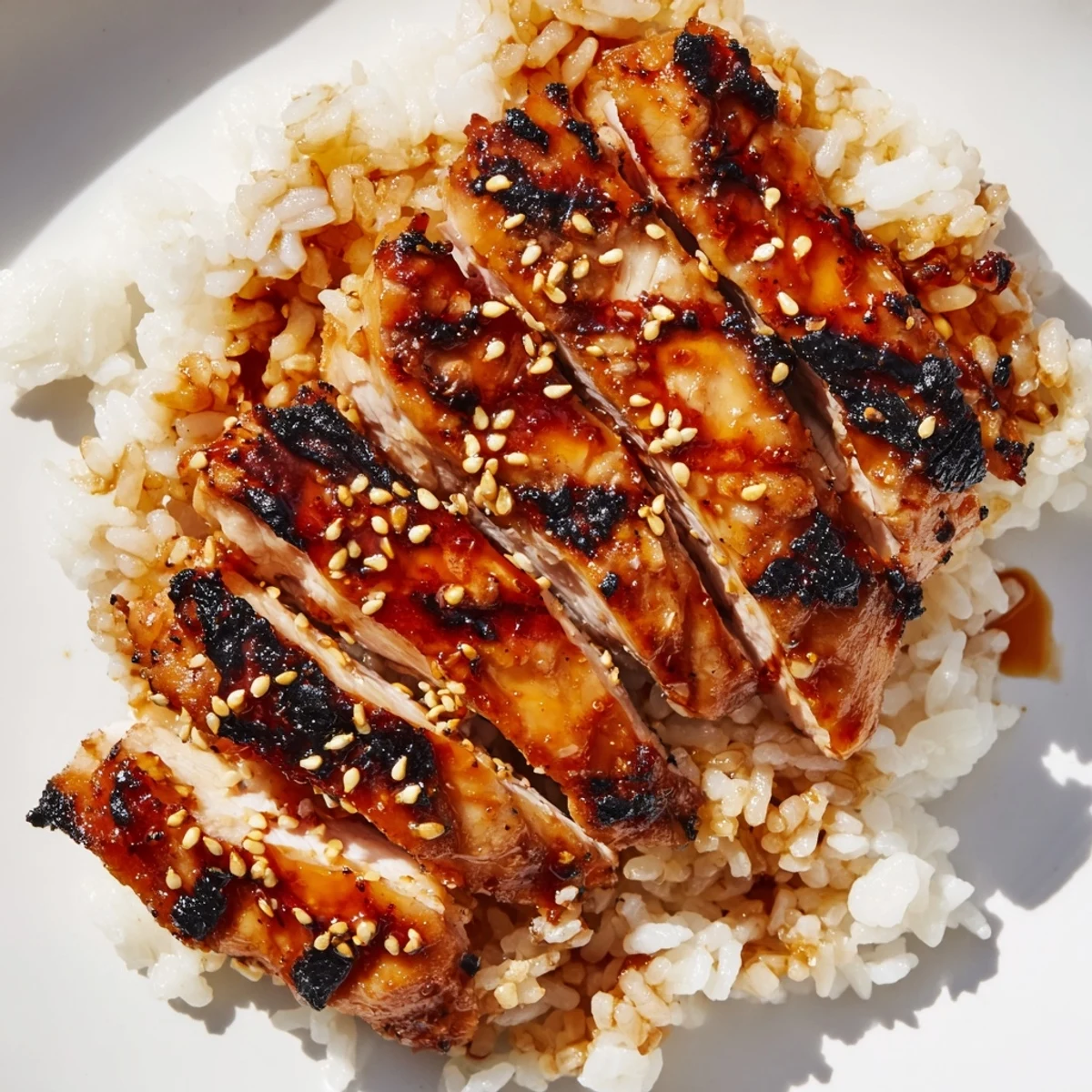
Save These Korean BBQ chicken bowls feature tender, juicy thighs marinated in a savory-sweet blend of soy sauce, brown sugar, sesame oil, and gochujang. After grilling until perfectly charred, the sliced chicken tops fluffy rice alongside crisp carrots, cucumber, and purple cabbage. A sprinkle of sesame seeds and fresh green onions completes this satisfying meal that comes together in just 45 minutes. The marinade balances rich umami flavors with subtle heat, while fresh vegetables add crunch and brightness to every bite.
The smell of gochujang hitting a hot pan still takes me back to my tiny apartment kitchen, where I'd set off the smoke alarm every single time I attempted Korean-style anything. My roommate would just sigh from the living room, already knowing what was coming, but she never complained when I pressed a bowl of these chicken leftovers into her hands the next day. Now I have proper ventilation and years of practice, but that first chaotic attempt taught me that the mess is absolutely worth it.
I made these bowls for my sister's family last summer, serving everything out on the back porch while her kids ran around catching fireflies. My nephew, who survives on a strict diet of chicken nuggets and air, tentatively tried a bite and then proceeded to eat three servings. Later he asked if we could have 'that red chicken' every week forever, which I'm pretty sure is the highest compliment a seven-year-old can pay.
Ingredients
- 1 ½ lbs boneless skinless chicken thighs: Dark meat stays juicy and tender, plus it handles high-heat grilling like a champion without drying out
- 1/4 cup soy sauce: The salty foundation that balances all that sugar and heat—use a good quality one, it really matters
- 2 tbsp brown sugar: Creates those gorgeous caramelized char marks and balances the chili heat
- 1 tbsp sesame oil: Toasted sesame oil adds that unmistakable Korean aroma you can't fake
- 2 tbsp rice vinegar: Cuts through the richness and brightens everything up
- 1 tbsp gochujang: Korean chili paste brings a complex fermented heat that's way more interesting than plain hot sauce
- 3 garlic cloves, minced: Fresh garlic is non-negotiable here—jarred stuff just doesn't have the same punch
- 1-inch piece ginger, grated: Use a microplane or the back of a spoon to get all that flavorful juice without the fibrous bits
- 1 tsp black pepper: Freshly cracked makes a genuine difference in depth
- 2 cups cooked jasmine rice: Short-grain rice works too—it's all about what texture you prefer under all those toppings
- 1 cup shredded carrots, 1 cucumber, and 1 cup purple cabbage: This colorful trio brings crunch and freshness that balances the rich chicken
- 2 green onions and 2 tsp sesame seeds: finishing touches that make everything look professional and taste vibrant
Instructions
- Whisk together your marinade:
- Combine soy sauce, brown sugar, sesame oil, rice vinegar, gochujang, garlic, ginger, and pepper in a large bowl until the sugar dissolves completely. I've learned to taste it first and adjust the heat or sweetness before adding the chicken.
- Marinate the chicken:
- Add the thighs and turn them around until every piece is coated, then let them hang out for at least 15 minutes—though an overnight stay in the fridge makes them sing.
- Get your pan ripping hot:
- Heat vegetable oil in a grill pan or skillet over medium-high until it's shimmering, then shake off excess marinade and lay in those chicken pieces. Listen for that sizzle—it means you're doing it right.
- Grill to perfection:
- Cook 4-5 minutes per side until you've got beautiful dark char marks and the internal temperature hits 165°F. Let the chicken rest for 5 minutes before slicing against the grain.
- Build your bowls:
- Divide rice among four bowls and arrange the sliced chicken, carrots, cucumber, cabbage, and green onions in sections—like a rainbow explosion on your plate.
- Finish it off:
- Sprinkle sesame seeds over everything and add whatever optional toppings make your heart happy—kimchi, extra gochujang, lime wedges, or fresh cilantro.
 Save
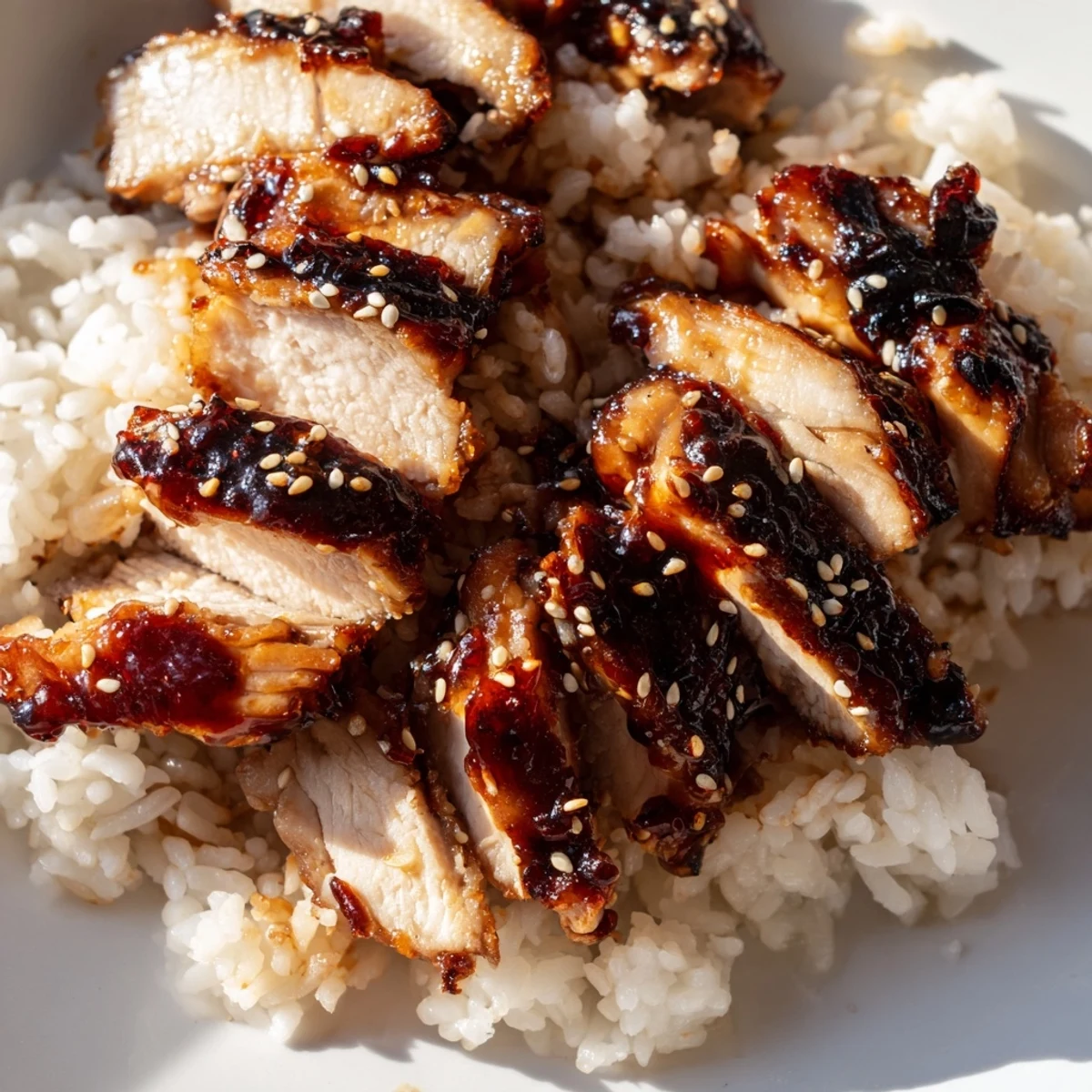
Save These Korean BBQ chicken bowls have evolved into my go-to meal prep secret because everything tastes even better after the flavors mingle overnight. There's something deeply satisfying about opening my lunchbox at work and having the most colorful desk in the entire office.
Make It Your Own
Swap chicken thighs for breasts if that's your preference, just watch the cooking time carefully so they don't dry out. Cauliflower rice is a fantastic low-carb alternative that still soaks up all that incredible sauce. I've also thrown in avocado slices, quick-pickled radishes, or blanched spinach when the fridge needs clearing out.
The Rice Game
Day-old rice actually works better than freshly cooked because the grains stay separate when you pile on the toppings. Make a big batch at the start of the week and you're halfway to dinner every night. Short-grain rice gives you that sticky texture that clings to every bite, while jasmine stays light and fluffy.
Leftover Magic
These bowls reheat beautifully but they're equally good straight from the fridge as a cold lunch. The flavors continue to develop overnight, making tomorrow's lunch potentially better than tonight's dinner.
- Store components separately if meal prepping so nothing gets soggy
- Add fresh herbs right before serving—they wilt and lose their punch in the fridge
- That spicy-sweet sauce works on practically everything from roasted vegetables to scrambled eggs
 Save
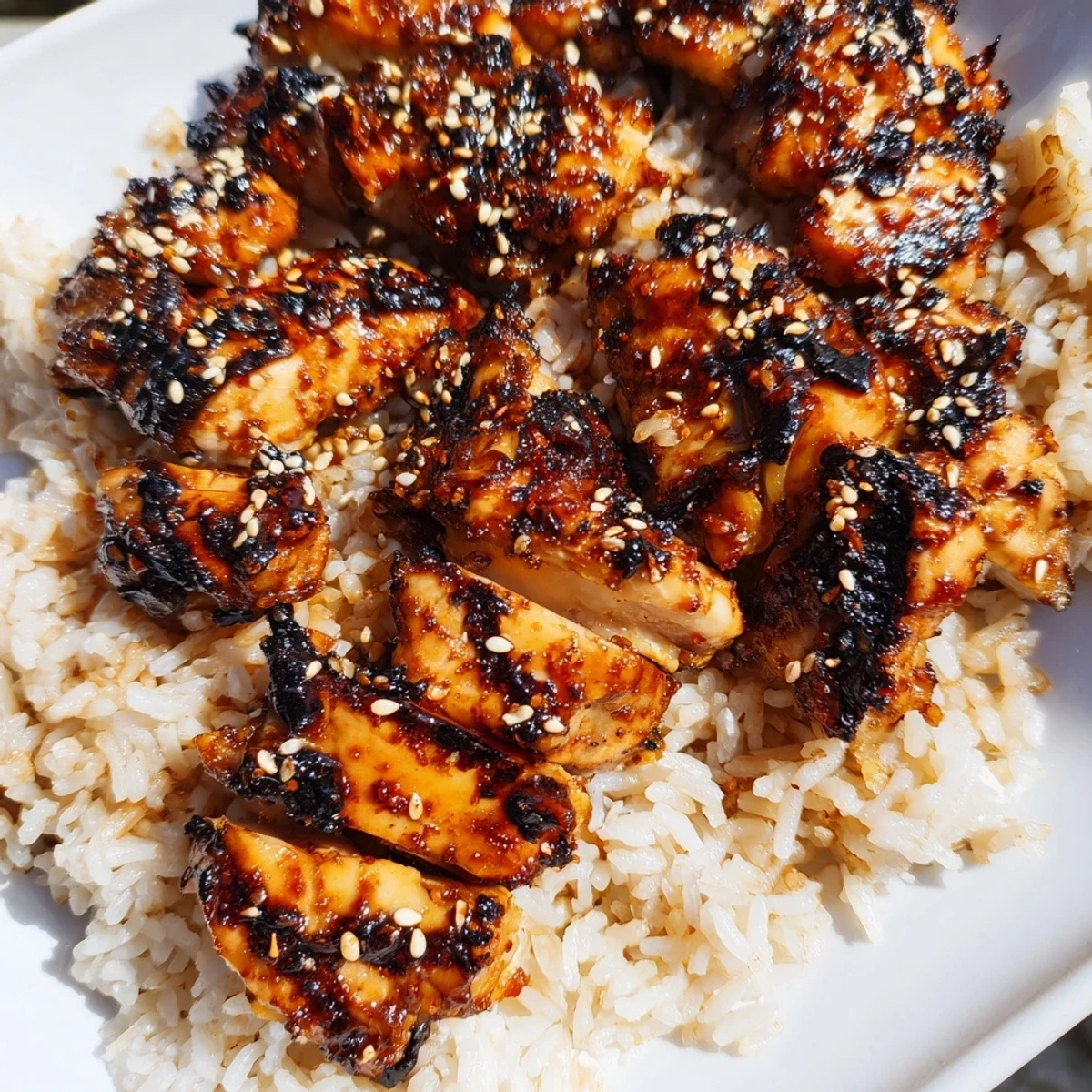
Save Gather your favorite people and build-your-own bowl night becomes an adventure in customization and conversation. Every bite tells a story of flavors working together, just like the best kind of friendships.
Recipe FAQs
- → Can I use chicken breasts instead of thighs?
-
Yes, chicken breasts work well in this dish. Adjust cooking time to 3-4 minutes per side to prevent drying, and consider pounding to even thickness for more uniform cooking.
- → How long should I marinate the chicken?
-
Marinate for at least 15 minutes for flavor absorption, but overnight in the refrigerator yields the most tender and flavorful results. The acidic ingredients help break down muscle fibers for better texture.
- → What can I substitute for gochujang?
-
Sriracha or red pepper flakes mixed with a small amount of miso paste can mimic the heat and depth. For a milder version, use additional garlic and ginger with a touch of tomato paste.
- → Is this dish gluten-free?
-
The traditional version contains gluten from soy sauce. Use tamari or coconut aminos as a gluten-free substitute, and verify that your gochujang brand is gluten-free, as some contain wheat.
- → How do I store and reheat leftovers?
-
Store components separately in airtight containers for up to 4 days. Reheat chicken gently in a skillet over medium heat or in the microwave, and serve with freshly warmed rice for best texture.
- → Can I make this low-carb?
-
Replace regular rice with cauliflower rice to significantly reduce carbohydrates. The chicken and vegetables provide ample protein and fiber while keeping the dish light and satisfying.