
 Save
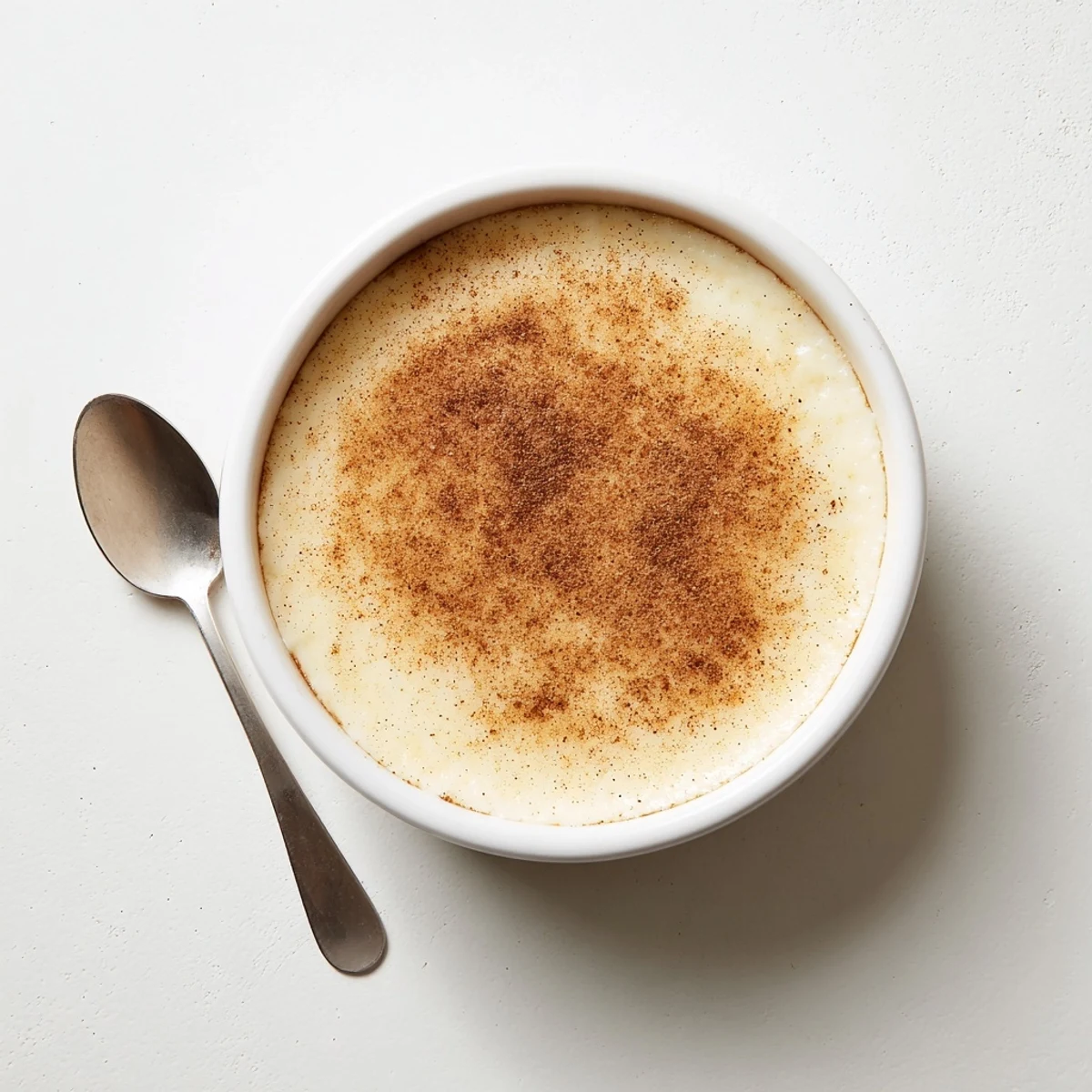
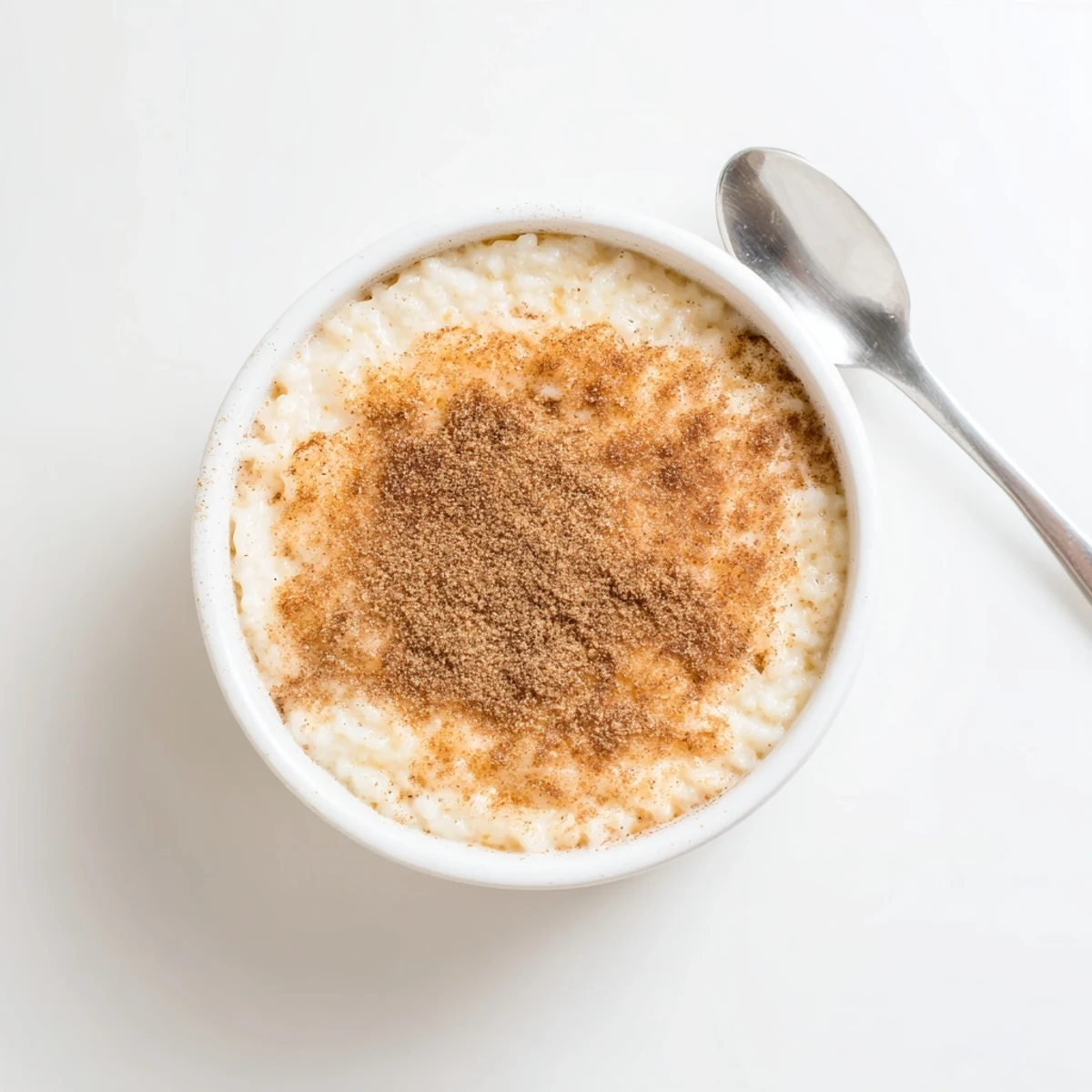
Save This classic Portuguese dessert transforms simple rice into an extraordinary creamy custard. Short-grain rice slowly simmers in whole milk and cream, absorbing flavors from lemon peel and cinnamon until perfectly tender. The mixture gets enriched with egg yolks for velvety richness, then crowned with a cinnamon-sugar blend that creates a delightful sweet crust.
Serve it warm for ultimate comfort or chilled for a refreshing finish. The contrasting textures—silky interior, slightly crunchy topping—make each spoonful irresistible. Pair with port wine or enjoy solo for an authentic taste of Portugal's dessert tradition.
My grandmother used to make this rice custard whenever someone needed comforting, whether it was after a scraped knee or a disappointing exam grade. The kitchen would fill with the scent of warm cinnamon and vanilla, and somehow everything felt right again. I've carried that tradition forward, finding that the simple act of stirring rice and milk has a way of slowing down time. This Portuguese rice pudding, or rice custard as we call it, became my go-to dessert for dinner parties and quiet Tuesday nights alike.
Last winter, during a particularly brutal storm that knocked out power for hours, I cooked this entirely on my wood stove. The family gathered around with flashlights, eating warm custard from mugs while the wind howled outside. That unexpected dinner became one of our most cherished memories, proving that the best desserts are often the simplest ones shared with people you love.
Ingredients
- Short-grain rice: The starch in short-grain rice creates that signature creamy texture. I've tried Arborio and it works beautifully, but regular short-grain gives the most authentic results.
- Whole milk: Don't skimp here. The milkfat is crucial for achieving that luxurious mouthfeel that makes Portuguese rice custard so addictive.
- Heavy cream: This might seem indulgent, but it's what transforms the dish from ordinary pudding into something truly special and restaurant-worthy.
- Granulated sugar: I've experimented with reducing the sugar, but this traditional amount balances the richness perfectly without becoming cloyingly sweet.
- Unsalted butter: Adds an extra layer of richness and helps create that silky finish that coats your spoon just right.
- Lemon peel: The key is removing all the white pith, which can make the custard bitter. I use a vegetable peeler for long, elegant strips.
- Cinnamon stick: Whole cinnamon infuses the milk more gently than ground cinnamon, giving subtle warmth rather than overwhelming spice.
- Vanilla extract: Pure vanilla extract makes a noticeable difference here. I add it at the end to preserve its fragrant compounds.
- Salt: Just a tiny pinch wakes up all the flavors and prevents the custard from tasting flat or overly sweet.
- Egg yolks: Room temperature yolks incorporate more smoothly into the hot mixture, so take them out of the fridge while you start cooking the rice.
- Topping sugar: Extra sugar for the crust creates that irresistible crackly layer that everyone fights over.
- Ground cinnamon: I toast my ground cinnamon in a dry pan for 30 seconds before sprinkling. It releases the oils and deepens the flavor remarkably.
Instructions
- Start the rice base:
- Combine the rice, whole milk, heavy cream, lemon peel strips, cinnamon stick, and salt in your saucepan. Bring everything to a gentle bubble over medium heat, giving it an occasional stir to prevent anything from sticking to the bottom.
- Simmer to tenderness:
- Turn the heat down to low and let the rice cook for 25 to 30 minutes, stirring often enough that it doesn't catch. The rice should become completely tender while the mixture transforms into a thick, creamy pudding. Fish out the lemon peel and cinnamon stick once you've reached that perfect consistency.
- Add the sweet finish:
- Stir in the sugar, butter, and vanilla extract. Let everything cook together for just 2 to 3 minutes, long enough for the sugar to fully dissolve and the butter to melt completely into the custard.
- Temper the egg yolks:
- Whisk your egg yolks in a separate bowl until they're smooth. Ladle small amounts of the hot rice mixture into the yolks, whisking constantly with each addition, until you've added about a cup of the hot liquid. This gentle warming prevents the eggs from scrambling when you add them to the main pot.
- Complete the custard:
- Pour the warmed yolks back into your saucepan and cook over low heat, stirring without stopping, for 2 to 3 minutes. The mixture will thicken slightly. Watch closely and never let it boil, or you'll end up with sweet scrambled eggs rather than silky custard.
- Transfer to serving dishes:
- Pour the finished custard into individual ramekins or one beautiful serving dish. The custard will continue to set as it cools, so don't worry if it seems slightly loose at this stage.
- Add the cinnamon crust:
- Mix the remaining 2 tablespoons of sugar with the ground cinnamon. Sprinkle this mixture evenly over the surface of the custard while it's still warm. The sugar will partially dissolve, creating pockets of crispy caramelized sweetness as it cools.
- Cool and serve:
- Let the rice custard cool completely at room temperature. It's wonderful slightly warm, but I actually prefer it chilled after a few hours in the refrigerator, when the flavors have had time to meld and the texture becomes even more luxurious.
 Save
Save My daughter now requests this for every birthday cake, preferring it over any frosted creation I could bake. Watching her scrape the last bits of cinnamon crust from the ramekin with pure delight reminds me why some recipes become family treasures. Food made with love has a way of becoming part of who we are.
Making It Ahead
This custard actually tastes better on day two, after the flavors have had time to deepen and mingle. I often make it the night before a dinner party and simply add the cinnamon-sugar topping right before serving. This strategy has saved me more than once when hosting, letting me focus on the main course while knowing dessert is ready and waiting in the refrigerator.
Serving Suggestions
While this custard shines on its own, I've learned that a small glass of port or a sweet dessert wine alongside creates the kind of dessert experience that lingers in memory. Fresh berries add brightness that cuts through the richness, though my Portuguese grandmother would argue that's unnecessary embellishment. Trust your instincts and serve it in a way that feels right to you.
Getting The Perfect Texture
The difference between good rice custard and great rice custard comes down to patience during that initial simmer. Rushing the rice means grains that remain chalky in the center, while giving it the full 25 to 30 minutes ensures each grain has absorbed enough liquid to become completely tender. I set a timer and use those minutes to tidy the kitchen or prepare the serving dishes, making the waiting feel productive rather than passive.
- If your custard seems too thick after cooling, stir in a splash of cold milk before serving to loosen it up
- A kitchen torch creates an impressive brûléed effect on the cinnamon-sugar topping if you want to elevate the presentation
- Leftovers, if you somehow have them, reheat beautifully in the microwave with 20-second intervals
 Save
Save There's something profoundly satisfying about making a recipe that has comforted generations of families. May this Portuguese rice custard bring as much warmth to your table as it has to mine.
Recipe FAQs
- → What type of rice works best for this custard?
-
Short-grain rice is ideal because its high starch content creates a naturally creamy texture. Arborio or pearl rice work beautifully as alternatives.
- → Can I make this dessert ahead of time?
-
Absolutely. Prepare the custard up to 2 days in advance and store refrigerated. Add the cinnamon-sugar topping just before serving for the best texture contrast.
- → Why do I need to temper the egg yolks?
-
Tempering gradually warms the yolks with hot liquid, preventing them from curdling when added to the saucepan. This step ensures smooth, silky results every time.
- → What's the purpose of lemon peel in the custard?
-
The lemon peel infuses subtle citrus notes that brighten the rich dairy base without making it taste lemony. Remove the peel before finishing to keep flavors balanced.
- → How do I know when the custard is properly cooked?
-
The custard is ready when it coats the back of a spoon and reaches a slightly thickened consistency. Avoid boiling, which can cause curdling and grainy texture.
- → Can I substitute the heavy cream?
-
You can use additional whole milk instead, though the final custard will be slightly less rich. For a dairy-free version, coconut milk creates a delicious tropical variation.